
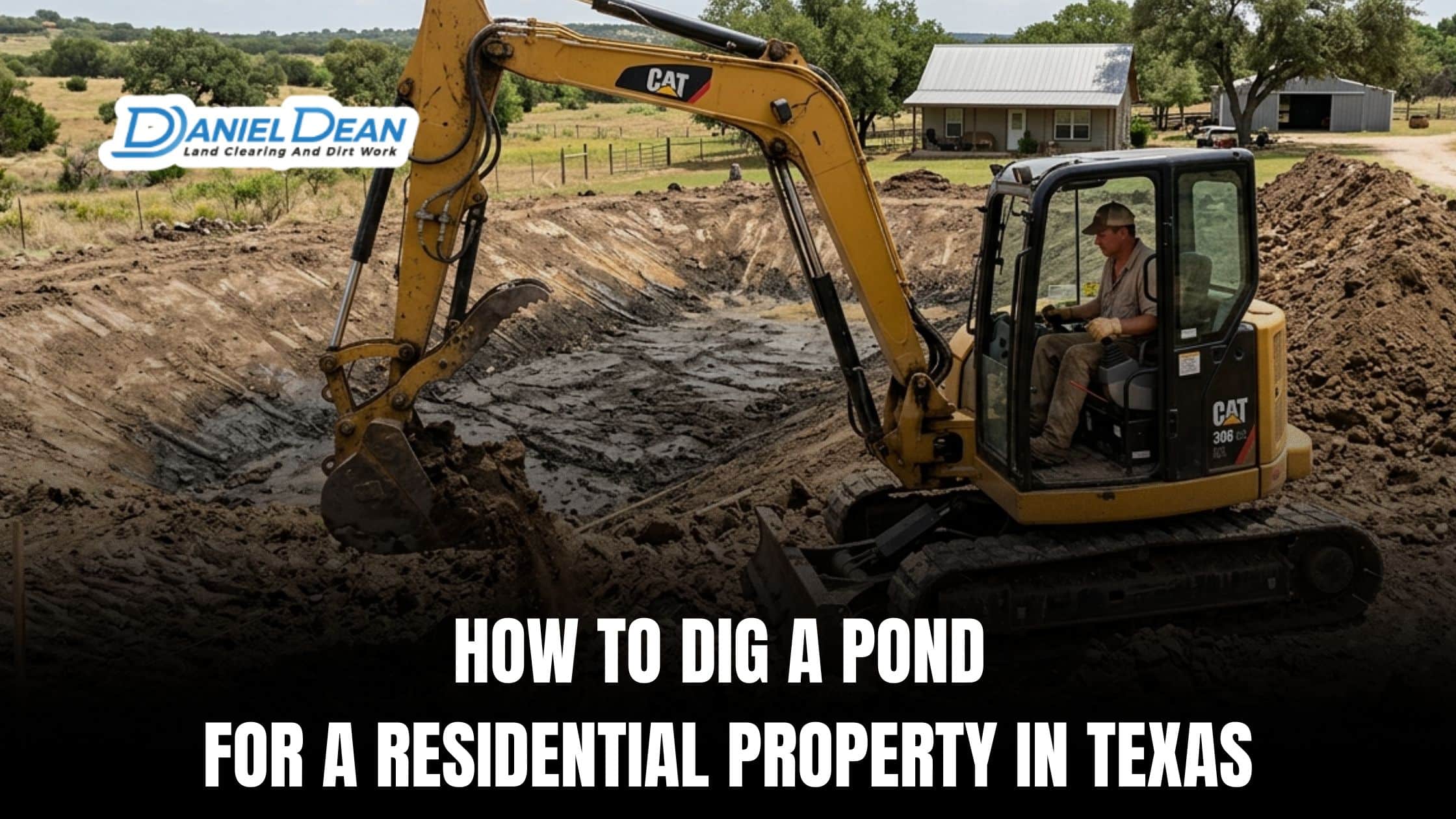
Have you wondered how to dig a pond that actually lasts through Texas heat and heavy rain? Many property owners start digging a pond without understanding soil conditions, drainage flow, or the real cost to dig a pond on residential land. Texas already has more than 450,000 private ponds across farms and ranches, and landowners continue building roughly 4,000 new ponds every year because ponds improve property value, water management, and outdoor recreation.
The problem is that poor pond planning often leads to erosion, water loss, unstable pond banks, and expensive repairs. Many homeowners searching for pond excavation Texas or pond digging near me underestimate how much grading, drainage, and soil preparation affect long term results.
In this blog post, we will talk about how to plan, excavate, and maintain a residential pond in Texas while avoiding common construction mistakes and unnecessary costs.
Plan the Best Location and Pond Design
The success of how to dig a pond depends almost entirely on choosing the right location. Start by identifying areas on your property that naturally collect water during heavy rains, as these spots indicate proper drainage patterns for pond water retention.
Consider these location factors:
- Water source reliability: Locate your pond where groundwater is available or where surface runoff collects consistently. In Texas, this typically means lower elevation points or areas with clay soil composition.
- Distance from structures: Position your pond at least 50 feet from homes and buildings to minimize erosion risk and avoid flooding concerns.
- Sunlight exposure: Moderate sun exposure promotes aquatic plant growth and oxygen production, but excessive sun can increase algae and evaporation rates.
- Accessibility: Plan for vehicle access to the site for initial construction equipment and future maintenance activities.
Size and depth significantly influence the cost to dig a pond. A small residential pond (quarter-acre or less) typically costs between $2,000 and $5,000 for excavation alone, while larger projects exceeding one acre can reach $10,000 or more. For Texas properties, aim for a minimum depth of 4 feet in the deepest section to maintain water quality and prevent complete freezing during rare winter conditions.
Design your pond with sloped sides, approximately a 2:1 ratio, rather than vertical walls. This gradual slope prevents collapse, supports natural vegetation growth, and creates better habitat diversity for fish and wildlife. For ongoing care, see pond maintenance services frequency guide.
Test Texas Soil and Prepare the Site
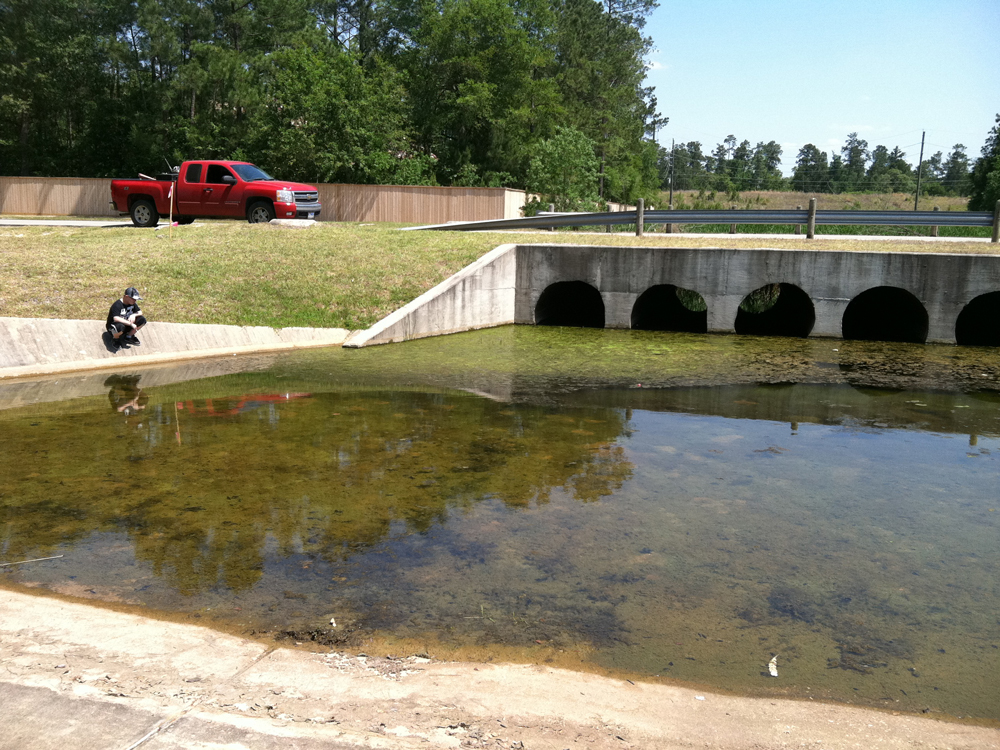
Texas soil varies dramatically by region. North Texas features predominantly clay and tight loam soils ideal for water retention, while central and south Texas regions may contain more permeable sandy or limestone-based soils that require additional preparation.
Before moving forward with digging a pond, conduct a percolation test on your specific site. This simple process involves digging a small hole, filling it with water, and measuring how quickly it drains. Soils with drainage rates exceeding 2 inches per hour will require an impermeable liner to prevent excessive water loss. Many Texas properties, however, contain natural clay layers that provide adequate water retention without additional measures.
Site preparation steps include:
- Survey the area: Mark the pond boundaries using string and stakes.
- Clear vegetation: Remove trees, stumps, and thick brush that would interfere with excavation equipment.
- Identify underground utilities: Call 811 before any digging to locate natural gas lines, electrical cables, and water pipes. This critical step prevents dangerous accidents and expensive damage repairs.
- Check local regulations: Verify Texas Parks and Wildlife requirements for your county. Some areas require permits, especially if the pond will affect watershed drainage or wildlife corridors.
Dig the Pond and Build Proper Drainage
The process of how to dig a pond requires heavy equipment, typically a 1-ton bulldozer or excavator. For pond digging near me inquiries, hiring local contractors familiar with Texas soil conditions ensures efficient, cost-effective excavation. Most professionals complete small to medium residential ponds within 2-4 days.
During excavation, your contractor should:
- Move soil strategically: Position excavated soil along the downstream side to create a natural berm that enhances water retention and provides additional water storage volume.
- Create varied depths: Establish shallow shelves along edges (1-2 feet deep) where aquatic plants can establish, with the deepest zone in the center for fish refuge and water quality maintenance.
- Establish an overflow spillway: Design a controlled outlet where excess water safely drains during heavy rains. Many Texas properties benefit from overflow channels directed toward existing drainage areas.
For water management, consider installing an aeration system if you plan to stock fish. Moving water prevents stagnation, reduces mosquito breeding grounds, and improves overall pond health. Small solar powered or wind powered aerators work effectively for residential applications in Texas. For more guidance, see pond erosion control best practices.
Avoid Common Pond Construction Mistakes
Many landowners make preventable errors during the digging a pond process. Understanding these pitfalls helps protect your investment and ensures long-term success.
Common mistakes include:
- Insufficient depth: Ponds shallower than 3 feet struggle to maintain adequate water quality, particularly in Texas heat. Shallow ponds experience rapid temperature fluctuations and algae blooms.
- Poor drainage planning: Failing to direct runoff properly creates erosion around pond edges and undermines structural integrity. Always include overflow provisions.
- Inadequate site preparation: Skipping the percolation test or soil analysis often results in costly corrections. Texas clay soils sometimes contain permeable sand layers that affect water retention unexpectedly.
- Incorrect spillway design: Undersized overflow outlets cannot handle heavy Texas rainfall events, potentially damaging the pond structure.
- Ignoring landscaping: Leaving bare, eroded banks accelerates sediment accumulation and reduces pond longevity. Plant native Texas vegetation immediately after construction.
Maintain Your Residential Pond Long Term
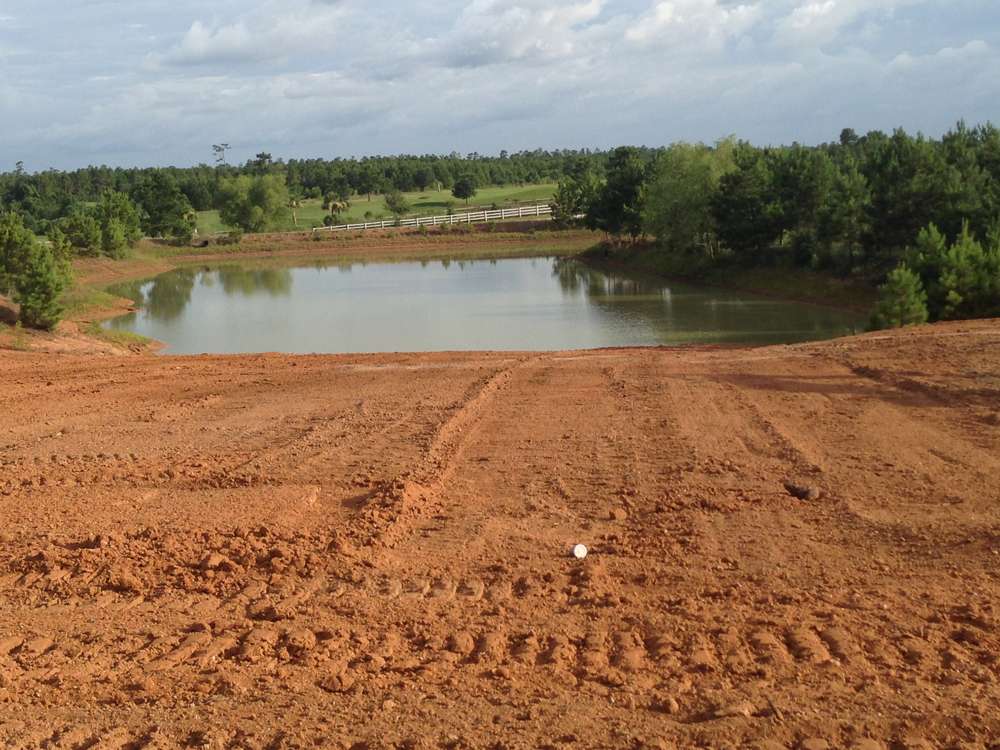
Learning how to dig a pond is only part of the process. Long term maintenance determines whether your pond stays functional, visually appealing, and structurally stable for years. Texas weather places constant pressure on residential ponds because heavy rainfall, drought, heat, and shifting soil can slowly damage pond banks and drainage systems.
Many homeowners who begin digging a pond focus heavily on excavation but overlook maintenance planning, which often increases the cost to dig a pond again later due to erosion repairs or sediment removal. Proper maintenance also protects property drainage and helps preserve water quality throughout the year.
| Maintenance Task | Why It Matters |
| Inspect pond banks after storms | Prevents erosion and slope failure |
| Remove excess sediment | Maintains proper pond depth and water storage |
| Maintain spillways and overflow areas | Reduces flooding and drainage problems |
| Control vegetation growth | Prevents invasive plants from damaging pond edges |
| Monitor water levels | Helps identify drainage or seepage issues early |
| Service aeration systems | Improves water quality and reduces algae growth |
Many property owners searching for pond digging near me or pond excavation Texas eventually realize that pond maintenance requires the same expertise as the original excavation work. Contractors like Daniel Dean Land Clearing & Dirt Work help homeowners manage grading, drainage correction, erosion repair, and long term pond performance across Texas properties. A properly maintained pond lasts longer, protects surrounding land, and reduces expensive future repairs.
FAQs
How to dig a pond by hand for beginners?
Start by choosing a low area with stable soil and mark the pond shape before digging. Use gradual slopes and compact the soil properly to help the pond retain water long term.
What’s the best way to dig a pond?
The best way to dig a pond is to plan the drainage, test the soil, and use proper excavation equipment for the pond size. Good pond design prevents erosion, water loss, and future repair costs.
Can you just dig a hole and make a pond?
No, simply digging a hole often leads to drainage problems and poor water retention. A successful pond needs proper depth, soil preparation, grading, and overflow management.
Final Thoughts on How to Dig a Pond for a Residential Property in Texas
Building a residential pond in Texas requires more than digging a hole. It takes careful planning, soil evaluation, drainage design, and long term maintenance to avoid erosion, water loss, and costly repairs. When you understand how to dig a pond correctly, you improve water management, increase property value, and create a reliable feature that performs well through Texas heat and heavy rain. Most issues happen when homeowners skip proper grading or overlook overflow control, which leads to expensive fixes later.
If you are ready to move forward, start by assessing your land conditions, checking soil type, and planning proper drainage flow before any excavation begins. From there, professional grading and excavation help ensure your pond is built for long term performance and stability.
If you need help with pond excavation Texas projects, land clearing, grading, or drainage work, our team is ready to assist. Contact us anytime through our contact page for questions or project inquiries. We help you build ponds that are properly designed, correctly excavated, and built to last.