
Are your foundation builds in Conroe TX set up to last, or are hidden ground issues already putting your home foundation at risk? Many homeowners focus on design and materials, yet foundation builds often fail because of what happens before home foundation construction even begins. In Conroe, expansive clay soil shifts with moisture changes and can place extreme pressure on a structure, sometimes reaching thousands of pounds per square foot.
Repairs for foundation damage often cost between five thousand and fifteen thousand dollars, while severe structural corrections can exceed thirty thousand. These problems usually come from poor site preparation, not weak concrete.
If you want to understand how to build a house foundation that performs long term, you must start below the surface. In this blog post, we will talk about the essential site preparation steps that protect your investment.
Site Preparation Makes or Breaks Your Conroe Foundation
Site preparation serves as the invisible insurance policy for any residential or commercial structure. In Conroe, this phase is non-negotiable because of the unique soil and environmental conditions beneath the surface.
Your initial steps should include the following:
- Hire a surveyor to establish lot elevation and drainage patterns
- Clear all vegetation and tree root systems within 15 feet of your foundation footprint
- Remove existing structures, debris, and any fill material
- Grade the property to establish proper water flow away from your building site
- Document existing conditions with photos and measurements
The subtropical Texas climate means water management starts on day one. The clay soils common in Conroe expand when wet and shrink when dry. This natural movement, if not properly managed during site prep, creates the conditions for foundation settling and cracking.
Budget 3-5% of your foundation construction costs for proper site preparation. This investment prevents repair costs that could run 10 times higher down the road.
Soil Testing and Ground Assessment for Texas Builds
Professional soil assessment is essential in foundation builds or when designing any home foundation. This is where guesswork ends and engineering begins.
Work with a licensed geotechnical engineer (not a general building inspector) to conduct soil boring and testing. Here’s what gets evaluated:
| Testing Factor | What It Measures | Why It Matters for Conroe |
| Bearing Capacity | How much weight soil supports | Determines footing size and depth |
| Plasticity Index | Soil swell and shrink potential | Clay movement risk assessment |
| Expansion Testing | Expansiveness level of clay | Influences foundation type selection |
| Water Table | Groundwater depth and seasonality | Affects drainage and waterproofing design |
The engineer will extract samples at multiple depths (6, 10, 15, and sometimes 20 feet below grade). Conroe soils typically support 2,000 to 3,500 pounds per square foot, but your property could differ significantly.
Expect to invest $1,500-$3,000 for comprehensive soil testing. This represents one of the smartest investments in any foundation project. Testing has revealed that properties with stable surface conditions often contain poorly compacted fill material at depth that would cause serious settling issues if left unaddressed.
Ask your engineer for specific foundation depth recommendations. In Conroe, foundations often need to go deeper than in other Texas regions because of expansive clay. They may also recommend engineered fill materials or moisture barrier systems. Follow these recommendations precisely.
Excavation and Drainage Setup: Handling Conroe’s Climate
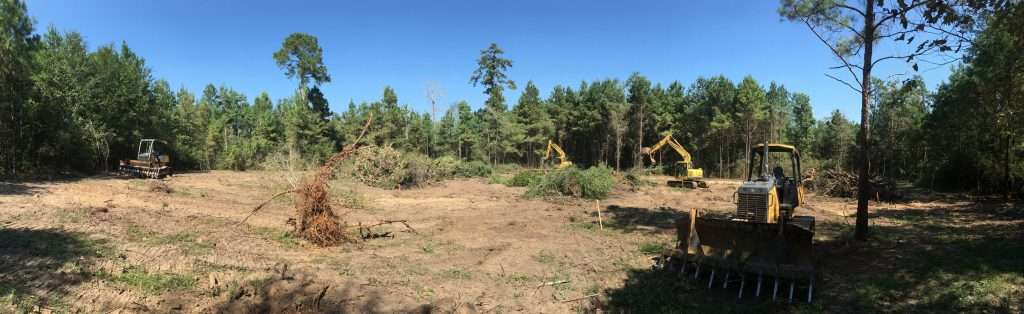
Excavation timing matters more in Conroe than most people realize. Schedule work for the driest part of the year (late summer or early fall) when soil moisture is at normal levels. Excavating during or after wet periods removes swollen soil, which shrinks later and creates settlement problems.
Your excavation contractor should:
- Remove all disturbed soil from the excavated areas
- Verify you’re sitting on stable, undisturbed material
- Scarify and recompact the bottom of excavation zones properly
- Install temporary drainage systems to manage groundwater during construction
- Use French drains, sump pumps, or temporary well points if needed
Drainage is where proper site preparation separates professional work from shortcuts. Conroe’s high water table means groundwater seeps into excavations even when it hasn’t rained. Pouring foundations on wet subgrades creates weak concrete and future moisture problems.
After excavation, establish permanent drainage systems:
- Install perforated drain lines at the foundation base, sloped to daylight
- Surround drainage material with gravel for proper water flow
- Grade the property to slope away from your foundation (minimum 6 inches drop per 10 feet)
- Install gutters and extend downspouts 4-6 feet away from your home
For detailed information on site clearing and preparation, review the comprehensive guide on how tree clearing prevents damage and increases value. For projects involving large acreage, the resource on Texas excavation contractors for large acreage outlines the equipment and planning required for bigger projects.
Foundation Types Best Suited for Texas and Why
With soil assessment and excavation complete, you’re ready to choose your foundation type. Here’s how Conroe options stack up:
| Foundation Type | Best For | Considerations |
| Slab-on-grade | Most Conroe builds | Requires moisture barrier and proper prep; most economical |
| Insulated Concrete Forms (ICF) | Energy efficiency priority | Premium cost but superior performance in heat/humidity |
| Pier and Beam | High water table areas | Requires termite treatment; more maintenance; less common |
| Crawl Space | Mechanical access needed | Needs dehumidification and pest control in humid climate |
| Basement | Additional space priority | Expensive in Conroe due to clay; requires extensive waterproofing |
Slab-on-grade dominates Conroe because it works well with the region’s climate and soil conditions. A 4-6 inch reinforced concrete slab sits on properly prepared ground with a 4-inch gravel capillary break beneath it. This simple system performs reliably when properly executed.
The critical detail most builders miss: that moisture barrier beneath the slab. This is exactly where corners get cut and problems develop. Moisture wicking up through clay soils into your home creates crawlspace mold, musty odors, and structural moisture issues that compound over years.
Your foundation type should be based on your geotechnical report’s specific recommendations, your budget, and your long-term plans for the property. Local building codes, your soil conditions, and Conroe’s climate patterns should drive this decision, not what’s cheapest or what worked for your neighbor.
Foundation Preparation: Daniel Dean’s Proven Approach
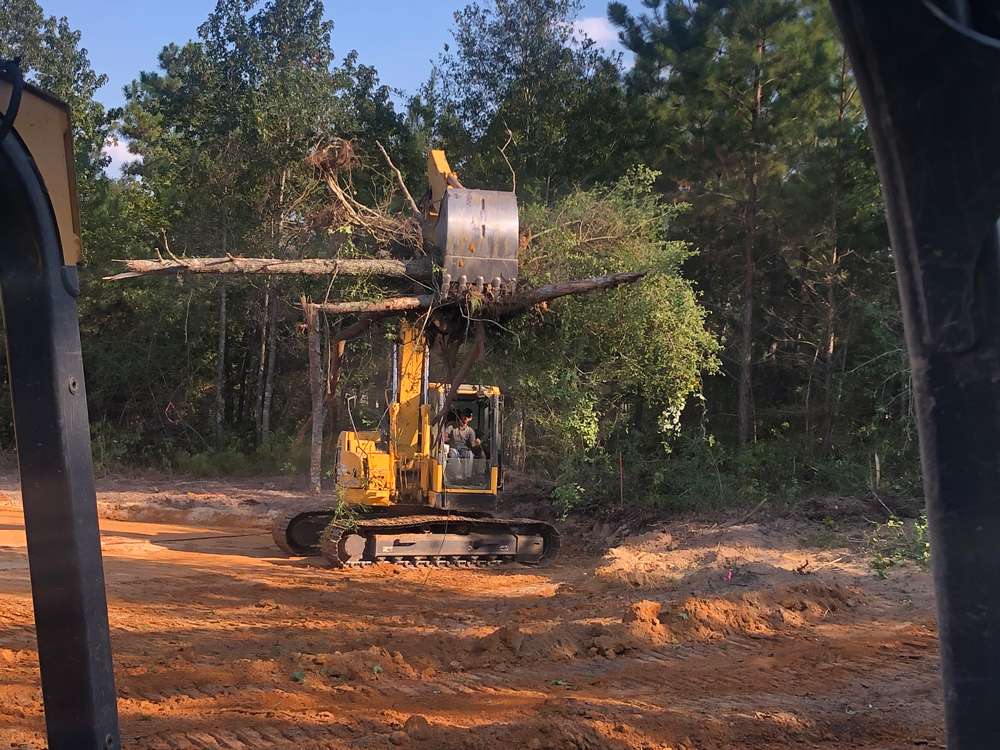
Daniel Dean’s 30+ years of site preparation work across Conroe have delivered proven results. One representative Lake Conroe residential project illustrates why proper foundation prep matters:
Property Challenge:
- Standing water in low spots
- Expansive clay soil with high water table
- Risk of foundation failure without intervention
Solution Applied:
- Comprehensive soil testing to assess clay expansion
- Deeper footings than standard practice
- Perimeter drainage system with proper gravel material
- Strategic grading to redirect surface water
Result: Foundation performed flawlessly through multiple wet seasons while nearby properties without proper prep experienced issues.
FAQs
What does “build a foundation” mean?
Building a foundation means preparing the ground and constructing the base that supports a structure. It involves excavation, soil preparation, and pouring or installing materials to create a stable home foundation.
What are the 7 types of foundation?
The most common types include slab-on-grade, crawl space, basement, pier and beam, pile, mat (raft), and insulated concrete forms. Each type suits different soil conditions, climate factors, and home foundation construction needs.
Who builds a foundation?
Foundation work is handled by specialized contractors, including excavation crews, concrete professionals, and structural engineers. They work together to ensure the foundation meets safety standards and supports the structure long term.
Final Thoughts on Foundation Builds in Conroe TX
Strong foundation builds in Conroe TX depend on what happens before construction begins. Site preparation, soil testing, excavation, and drainage all work together to create a stable home foundation that can handle shifting clay and changing moisture conditions. Skipping any of these steps increases the risk of costly repairs, structural movement, and long term damage.
If you want to understand how to build a house foundation that lasts, focus on proper planning and expert execution from the ground up. Investing in professional home foundation construction practices now protects your property for decades.
The next step is simple. Work with experienced professionals who understand Conroe’s soil and climate challenges. Daniel Dean provides reliable land clearing, grading, and dirt work services that support successful foundation projects.
For questions or to get started, visit contact Daniel Dean and speak with a team that knows how to prepare your land the right way.