
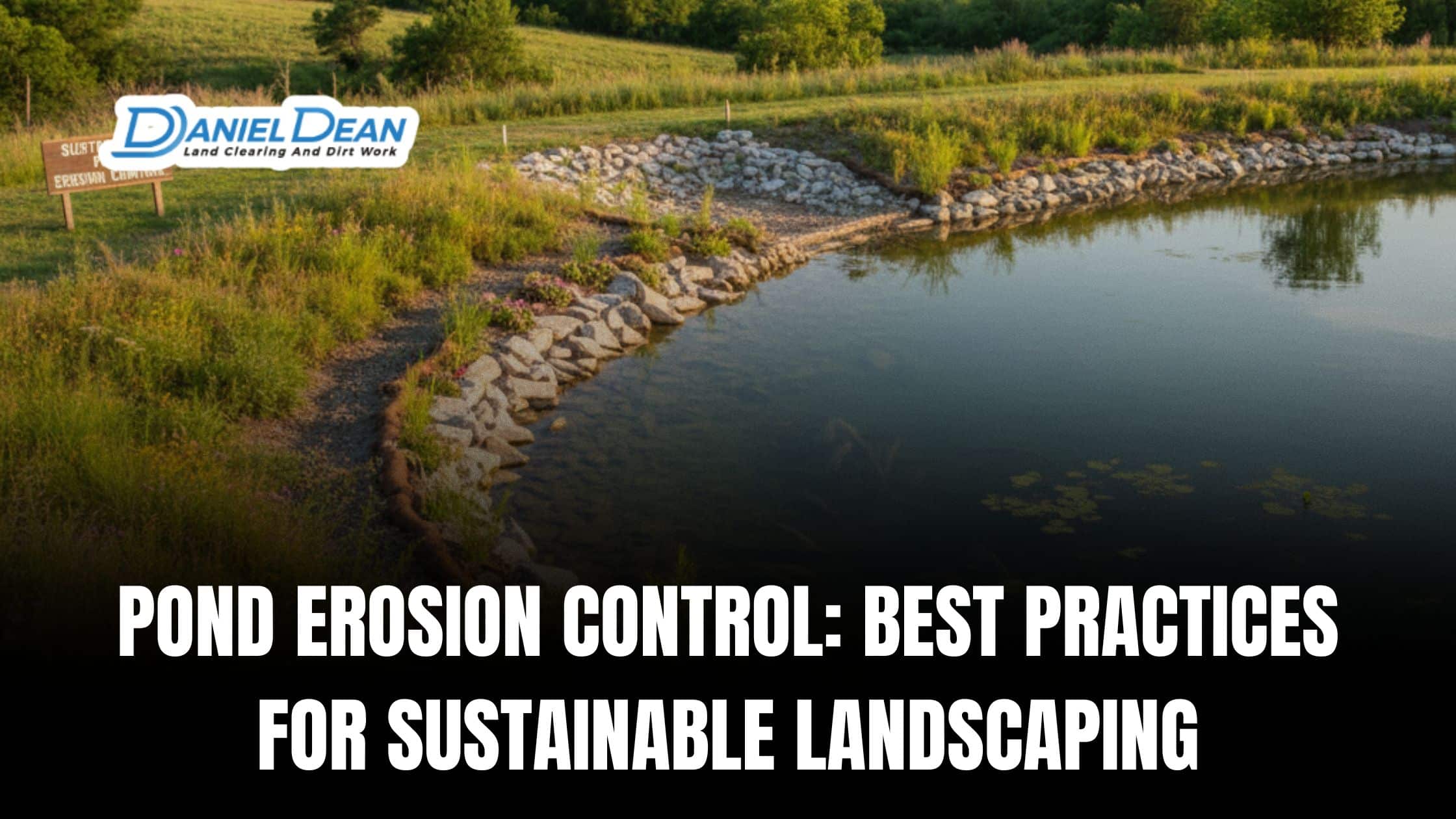
Have you ever noticed the edges of your pond slowly disappearing after a heavy rain? Pond erosion control is essential for protecting both the beauty and stability of your landscape. In Texas alone, more than 12.8 million acres of cropland are considered highly erodible, and over 1.2 million acres of ponds, lakes, and reservoirs face the same threat. Without proper care, erosion can lead to collapsing shorelines, costly damage, and dirty pond water that disrupts aquatic life. The result is more frequent pond cleaning and a decline in water quality.
In this blog post, you’ll learn how to identify the causes of pond erosion and discover sustainable solutions that protect your shoreline, improve water clarity, and extend the life of your pond. Whether you manage a small garden pond or a large property, these best practices can help keep your water feature healthy and erosion-free.
Understanding Pond Erosion and Its Impact on Your Landscape
Pond erosion is not just an aesthetic concern. It is a process that can change the health and structure of your entire landscape. It occurs when rainfall, wind, or water flow gradually displace soil from the shoreline and carry it into the pond. In Texas, where clay and sandy soils are common, erosion tends to worsen after periods of heavy rain or poor drainage. The result is collapsing banks, shallow edges, and dirty pond water that affects the pond’s appearance and health.
As sediment builds up, it decreases water depth and oxygen levels, which harms fish and aquatic vegetation. Excess nutrients from runoff also trigger algae blooms that can turn the water murky and foul-smelling. Without effective pond erosion control, maintenance costs rise due to more frequent pond cleaning and shoreline repairs. Taking action early helps maintain water quality, protect wildlife habitats, and preserve your landscape’s natural balance.
Identifying the Causes of Pond Erosion
Understanding what drives pond erosion is the first step toward protecting your shoreline. Erosion usually develops from a mix of factors that weaken the soil and alter the natural flow of water. Recognizing these conditions allows you to apply the most effective pond erosion control solutions before major damage occurs.
- Water Level Fluctuations: Frequent or sudden shifts in water levels put stress on the pond banks. When water recedes too quickly, the saturated soil loses support, causing slumping and cracking. This cycle of soaking and drying weakens the shoreline, especially in clay-based soils that expand and contract with moisture changes.
- Wave Action and Runoff: Persistent winds can generate waves that strike the shoreline and gradually dislodge soil particles. Heavy rain or stormwater runoff also erodes exposed areas, washing sediment into the pond. Over time, this leads to silt buildup and dirty pond water that makes the pond shallower and less healthy.
- Lack of Vegetation: Exposed banks without native plants are highly vulnerable to erosion. Roots from grasses, shrubs, and aquatic vegetation help bind the soil together while filtering runoff before it reaches the water. Strong vegetative cover not only stabilizes the shoreline but also reduces the need for frequent pond cleaning.
- Livestock and Foot Traffic: Grazing animals and regular foot traffic compact the soil, making it less absorbent and more likely to erode. Trampled vegetation exposes the soil surface to wind and water, causing the banks to wear away faster. Limiting access or using designated paths can significantly reduce this type of damage.
- Poor Drainage Design: Uneven grading or improper overflow placement often directs too much water to specific sections of the bank. Concentrated flow cuts channels into the soil and weakens the shoreline over time. Well-planned drainage distributes runoff evenly, helping protect the pond’s perimeter from erosion.
Identifying the specific conditions affecting your pond allows you to tailor pond erosion control strategies that stop soil loss, maintain clear water, and extend the life of your pond’s ecosystem.
Sustainable Erosion Control Methods for Long-Term Stability
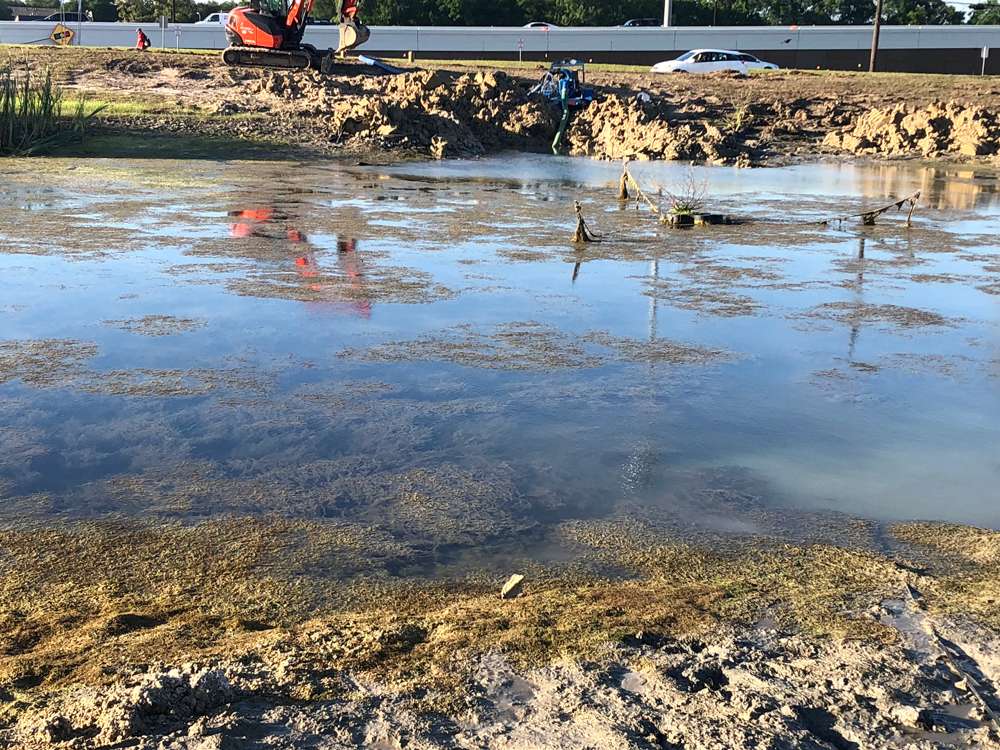
Sustainable pond erosion control relies on natural restoration practices and sound engineering to create a lasting, low-maintenance shoreline. These methods strengthen your pond’s structure, improve water quality, and preserve the surrounding landscape.
Vegetative Buffers
Vegetative buffers are one of the most effective long-term solutions for preventing shoreline erosion. Planting native grasses, sedges, and shrubs around the pond helps bind the soil with strong root systems. These plants also filter runoff, reducing the amount of nutrients and sediment that enter the water. A dense vegetative strip about 10 to 20 feet wide can slow down surface water, trap soil particles, and improve overall water clarity.
Beyond stabilizing the banks, vegetative buffers provide habitats for beneficial insects, amphibians, and birds. Property owners can select native species that thrive in local conditions, reducing maintenance needs while supporting biodiversity. Healthy vegetation not only prevents erosion but also limits the frequency of pond cleaning caused by dirty pond water and sediment buildup.
Erosion Control Blankets
Erosion control blankets are essential for protecting bare or newly graded pond banks. These mats, usually made from coconut fiber, jute, or straw, shield loose soil from rain and wind until vegetation becomes established. Once secured to the ground, the blankets slow down water flow, prevent soil displacement, and promote faster seed germination. Over time, they naturally decompose, leaving behind a reinforced, vegetated surface.
Property owners who deal with steep or sandy slopes benefit from erosion control blankets because they stabilise the area quickly while supporting natural plant growth. The key to success is tight installation and full coverage to avoid gaps that allow water to channel through. When used with native grass seed, these blankets create a resilient, erosion-resistant bank that supports long-term pond erosion control without constant maintenance.
Rock Riprap
Rock riprap provides a strong, durable defense against wave action and water movement. This method involves placing large, angular rocks along the shoreline to absorb and deflect the force of moving water. The uneven surface of the stones helps dissipate wave energy, reducing soil loss underneath. To enhance stability, a layer of geotextile fabric is placed beneath the rocks to keep soil from washing out.
Riprap is ideal for ponds that experience frequent wave impact or strong winds. Although the initial installation cost is higher, it offers decades of protection with minimal upkeep. Property owners can plant low-growing vegetation between the rocks to soften the appearance and add an extra layer of erosion resistance. When properly designed, rock riprap blends into the natural environment while serving as one of the most reliable pond erosion control strategies available.
Bioengineering Techniques
Bioengineering combines natural vegetation with structural materials to create strong, self-repairing banks. Coir logs, live stakes, and brush mattresses are commonly used to stabilise pond edges while promoting root growth. Coir logs made from coconut fiber are positioned along the waterline to trap sediment and form a base for plant roots to grow. Live stakes, such as willow or dogwood cuttings, are driven into the soil behind the logs, where they take root and reinforce the shoreline over time. This method improves both erosion resistance and ecological balance, making it a preferred choice for property owners who want a natural look without using concrete or synthetic barriers.
As plants mature, they strengthen the soil naturally and require little maintenance. Bioengineering not only prevents erosion but also improves water quality by filtering runoff before it enters the pond.
Proper Grading and Drainage
Proper grading and drainage management are essential for long-term pond stability. When land around the pond is too steep or uneven, rainwater flows quickly toward the shoreline, eroding the soil. A gentle slope helps slow water movement and allows it to soak into the ground rather than rush into the pond. Installing shallow swales or diversion berms helps distribute runoff evenly instead of letting it concentrate in one area.
For properties with compacted or clay-heavy soil, adding rock-lined channels or French drains can direct excess water safely away from the pond. During pond construction or reshaping, careful attention to slope and contour helps prevent erosion before it begins. A well-graded landscape not only preserves the pond’s shape and depth but also reduces maintenance costs associated with sediment removal and pond cleaning.
Maintenance Tips to Keep Your Pond Shoreline Healthy
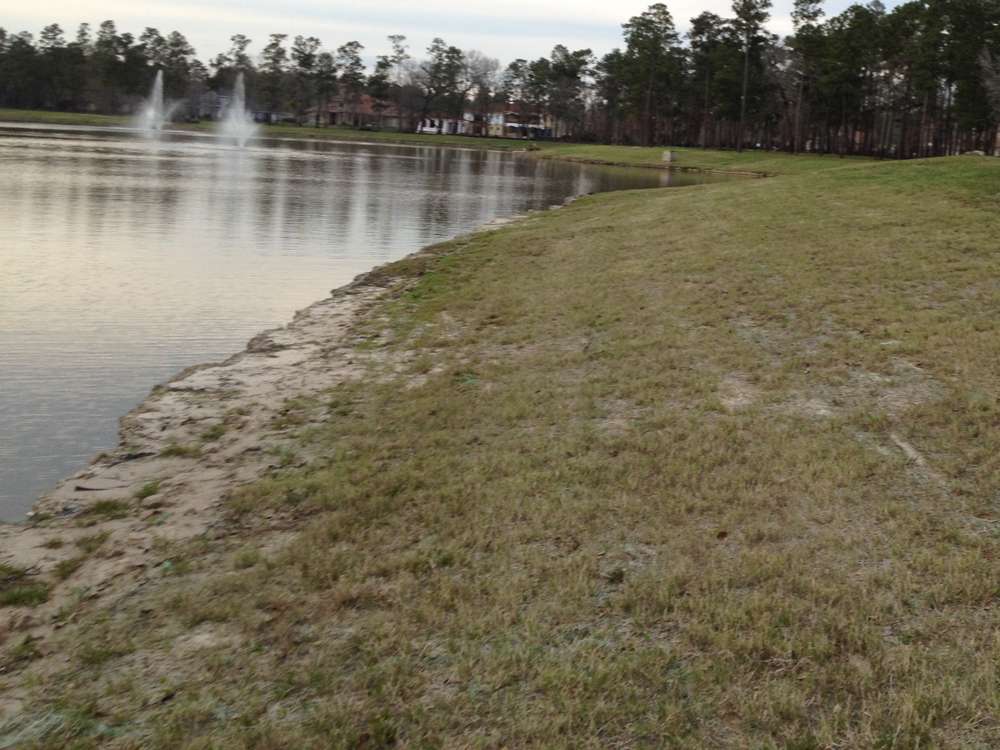
Once a pond erosion control system is established, consistent maintenance is what keeps it effective for years. Neglecting small issues such as minor bank wear or sediment buildup can quickly undo your investment in erosion prevention. A healthy pond shoreline requires regular monitoring, seasonal upkeep, and immediate action when problems arise. These proactive measures protect water quality, preserve the pond’s shape, and reduce the cost of future repairs.
| Maintenance Task | Purpose | Recommended Frequency | Detailed Actions |
| Monitor Water Levels | Prevent shoreline stress from fluctuating water levels | Weekly during dry or rainy seasons | Check for sudden drops or rises that expose soil or vegetation. Keep water levels consistent by adjusting inflow and outflow structures when needed. |
| Inspect After Storms | Detect early signs of erosion or damage | After every major rainfall or strong wind event | Examine the banks for soft spots, cracks, or areas where rocks or coir logs have shifted. Replace or reinforce materials immediately to stop further deterioration. |
| Perform Regular Pond Cleaning | Maintain water clarity and prevent sediment accumulation | Every 3–6 months depending on water condition | Remove floating debris, decaying leaves, and excess algae. Dredge sediment if buildup becomes significant. Regular cleaning helps prevent dirty pond water and keeps the ecosystem balanced. |
| Replant Vegetation When Necessary | Preserve root structure that stabilizes soil | As needed, usually every spring or fall | Replace dead or damaged plants promptly with native species suited to wet environments. Ensure replanting areas are mulched and watered regularly until roots establish. |
| Control Livestock and Foot Traffic | Reduce compaction and soil disturbance | Ongoing | Install fencing or designated watering areas for livestock. Create walking paths with gravel or pavers to minimize foot traffic along fragile sections of the shoreline. |
| Maintain Drainage Systems | Ensure smooth water flow and prevent concentrated runoff | Every 6–12 months | Inspect swales, pipes, and berms for blockages. Remove debris and repair any damaged channels that could redirect water toward vulnerable banks. |
Routine shoreline maintenance not only protects your pond from recurring erosion but also extends its lifespan. When sediment, vegetation, and drainage systems are managed properly, your pond stays cleaner, clearer, and safer for wildlife. Investing time in small tasks like pond cleaning, water level checks, and vegetation care prevents large-scale restoration projects later on. Regular attention ensures your pond remains both functional and visually appealing while preserving the integrity of your landscape for the long term.
For practical advice on proper upkeep, read Pond Cleaning Tips for Texas Homeowners.
Partnering with Daniel Dean for Expert Pond Erosion Control Solutions
When it comes to effective pond erosion control, experience makes all the difference. Daniel Dean has been providing professional land and pond management services for decades, delivering results that balance performance with environmental care. Every pond is unique, and Daniel Dean’s team takes the time to assess your property’s specific conditions before developing a customised plan that ensures stability and long-term health.
From pond cleaning and excavation to shoreline stabilisation and grading, their experts use modern equipment and proven field techniques to control erosion without compromising the ecosystem. Their approach goes beyond quick fixes by addressing root causes like poor drainage, sediment overload, or unstable banks, ensuring your pond remains functional, attractive, and ecologically balanced.
Whether you are dealing with dirty pond water, shoreline collapse, or excess sediment buildup, Daniel Dean’s expertise delivers sustainable, lasting outcomes that protect both your property and its natural beauty. For more expert insights, read Top Mistakes When Killing Weeds in Ponds.
Frequently Asked Questions
How do you control erosion in a pond?
Erosion can be controlled by planting native vegetation, installing rock riprap, and improving drainage to reduce runoff impact. Regular maintenance and replanting damaged areas help maintain long-term shoreline stability.
What is the best method for erosion control?
The most effective approach combines vegetation with structural solutions like riprap or coir logs. This balance strengthens the shoreline while preserving a natural look and promoting healthy pond ecosystems.
What are 5 ways to prevent erosion?
Plant vegetative buffers, install rock riprap, use erosion control blankets, improve drainage design, and restrict livestock or heavy foot traffic near the pond. These practices work together to protect soil and maintain a stable shoreline.
Final Thoughts on Pond Erosion Control: Best Practices for Sustainable Landscaping
Protecting your pond from erosion is an ongoing commitment to sustainability and landscape health. With the right combination of natural vegetation, proper drainage, and regular maintenance, you can preserve your shoreline, maintain clear water, and reduce the need for costly repairs. Taking preventive action today ensures that your pond remains a long-term asset that enhances both your property’s value and ecological balance.
Whether you’re dealing with dirty pond water, sediment buildup, or unstable banks, expert guidance can make all the difference. Daniel Dean’s team provides professional pond erosion control, pond cleaning, and land management solutions tailored to your property’s unique conditions.
If you have questions or want to learn how we can help protect and restore your pond, contact Daniel Dean today. Our specialists are ready to assist with erosion control, land clearing, and complete property improvement services.