Excavation Contractor for Large Acreage Projects in Texas
Are you planning to develop a large property and wondering if you need an excavation contractor to get started? Many landowners begin large projects without fully understanding how complex construction dirt work can become at scale. In fact, nearly 90 percent of large construction projects go over budget, often due to poor planning during early excavation and contracting stages.
The problem becomes more serious when grading and drainage are overlooked. Improper site preparation can reduce property value by 10 to 15 percent and create long-term issues like erosion and flooding. These risks increase significantly on multi-acre land where small mistakes affect larger areas.
In this blog post, we will talk about how an experienced excavation contractor approaches large acreage projects in Texas and how proper planning can help you avoid costly setbacks and protect your investment.
What Makes Large Acreage Excavation Different from Standard Projects
Large acreage excavation operates on a completely different scale compared to small residential jobs. The size alone introduces challenges that require advanced planning and coordination.
First, the volume of earthmoving increases significantly. Instead of minor grading, contractors must handle mass excavation, cut and fill balancing, and long-distance material movement. This directly impacts timelines, fuel costs, and equipment selection.
Second, large properties often involve multiple zones. A single project may include building pads, access roads, drainage systems, and utility corridors. Each area requires precise grading and elevation control to ensure proper water flow and structural stability.
Finally, mistakes on large acreage projects multiply quickly. Poor grading or drainage in one section can affect acres of land, leading to erosion, flooding, or foundation issues. That is why experienced excavation and contracting teams focus heavily on planning before any equipment enters the site.
Key Phases of Large Acreage Site Preparation in Texas
Large acreage development in Texas requires a disciplined, step-by-step approach to avoid delays, rework, and long-term land issues. Each phase of site preparation builds toward a stable, build-ready property. When an excavation contractor follows a structured process, it reduces risk, controls costs, and ensures that all construction dirt work supports future construction.
Skipping steps or rushing through early phases often leads to drainage failures, soil instability, and expensive corrections later.
| Phase | What Happens | Why It Matters for Large Acreage Projects |
|---|---|---|
| Land Clearing | Removes trees, roots, rocks, and debris | Prevents obstructions and ensures accurate grading across wide areas |
| Rough Grading and Mass Excavation | Performs cut and fill to shape terrain | Balances elevation and reduces hauling costs over large distances |
| Soil Testing and Compaction | Tests soil strength and compacts layers | Prevents settling, cracking, and structural failure |
| Drainage Planning and Installation | Installs slopes, ditches, and culverts | Controls water flow and protects land from erosion and flooding |
| Final Grading and Site Preparation | Fine-tunes elevations for construction | Prepares stable surfaces for roads, pads, and infrastructure |
Each of these phases requires coordination between equipment operators, engineers, and project managers. In large-scale excavation and contracting, timing is critical.
For example, drainage must align with grading plans, and compaction must follow proper moisture conditions. When executed correctly, this process transforms raw land into a reliable foundation that supports long-term property value and development success.
Infrastructure Requirements for Multi-Acre Land Development
After the land is prepared, the next step is designing infrastructure that ensures the property functions properly, meets Texas regulations, and supports future development. Large acreage projects require careful coordination between roads, drainage, utilities, and permits to avoid costly delays or rework. Before breaking down the key components, it is important to understand that each element must integrate with grading and overall site design.
Here are the main infrastructure components Texas multi-acre projects typically require:
- Access Roads and Driveways - Multi-acre developments often require private roads built to county standards before they qualify for maintenance. Right-of-way widths typically range from 36 to 50 feet, with lane widths of 10 to 12 feet. Roads must support emergency vehicles and connect to existing county roads or approved access points. Poor road construction can delay approvals and increase long-term maintenance costs.
- Drainage Systems and Stormwater Compliance - Large projects disturbing one acre or more must follow Texas stormwater regulations under the Construction General Permit (TXR150000). This includes preparing a Stormwater Pollution Prevention Plan (SWPPP) with erosion controls such as silt fences and sediment traps. Proper drainage design also requires culverts, ditches, and detention planning to prevent flooding and protect adjacent infrastructure.
- Utilities and Trenching Coordination - Water, electric, septic, and sewer systems must be planned early and installed alongside grading to avoid rework. Rural properties often rely on private wells and septic systems, which require soil testing, setback compliance, and proper spacing. Utility placement must also account for easements and future expansion.
- Permits and Project Integration - Large acreage developments often involve permits, impact fees, and coordination with local agencies. Projects over one acre require stormwater permits, while larger developments may need additional TxDOT oversight. Early planning with engineers and licensed evaluators ensures compliance and avoids delays.
Each of these elements must function together as part of a coordinated system. Effective excavation and contracting connects roads, drainage, utilities, and permitting, creating efficient construction, a stable site, and long-term land value protection.
For guidance on why these tasks are best handled by professionals rather than attempting DIY approaches, see why land clearing is best left to experts.
Common Challenges in Texas Terrain and How Excavation Contractors Solve Them
Excavating and preparing large acreage in Texas comes with several unique challenges that can impact timelines, costs, and long-term land stability. Understanding these issues helps landowners and developers avoid costly mistakes. Skilled excavation contractors plan for these factors early, using advanced techniques and equipment to adapt to the state’s diverse terrain, climate, and soil conditions.
Some of the most common challenges Texas acreage projects face include:
- Soil Variability: Texas soil can vary from expansive clay to sandy loam within the same property. Clay expands and contracts with moisture, potentially destabilizing foundations. Contractors use proper compaction and moisture control to stabilize soil.
- Water Management: Heavy rainfall can overwhelm poorly designed drainage. Experts implement grading plans, ditches, culverts, and detention solutions to prevent erosion and protect structures.
- Slope and Elevation Changes: Uneven terrain requires precise grading to maintain safety and effective water flow. This often involves specialized machinery and careful planning.
- Logistical Challenges: Moving materials across large distances demands efficient hauling strategies, equipment coordination, and timing to avoid delays and extra costs.
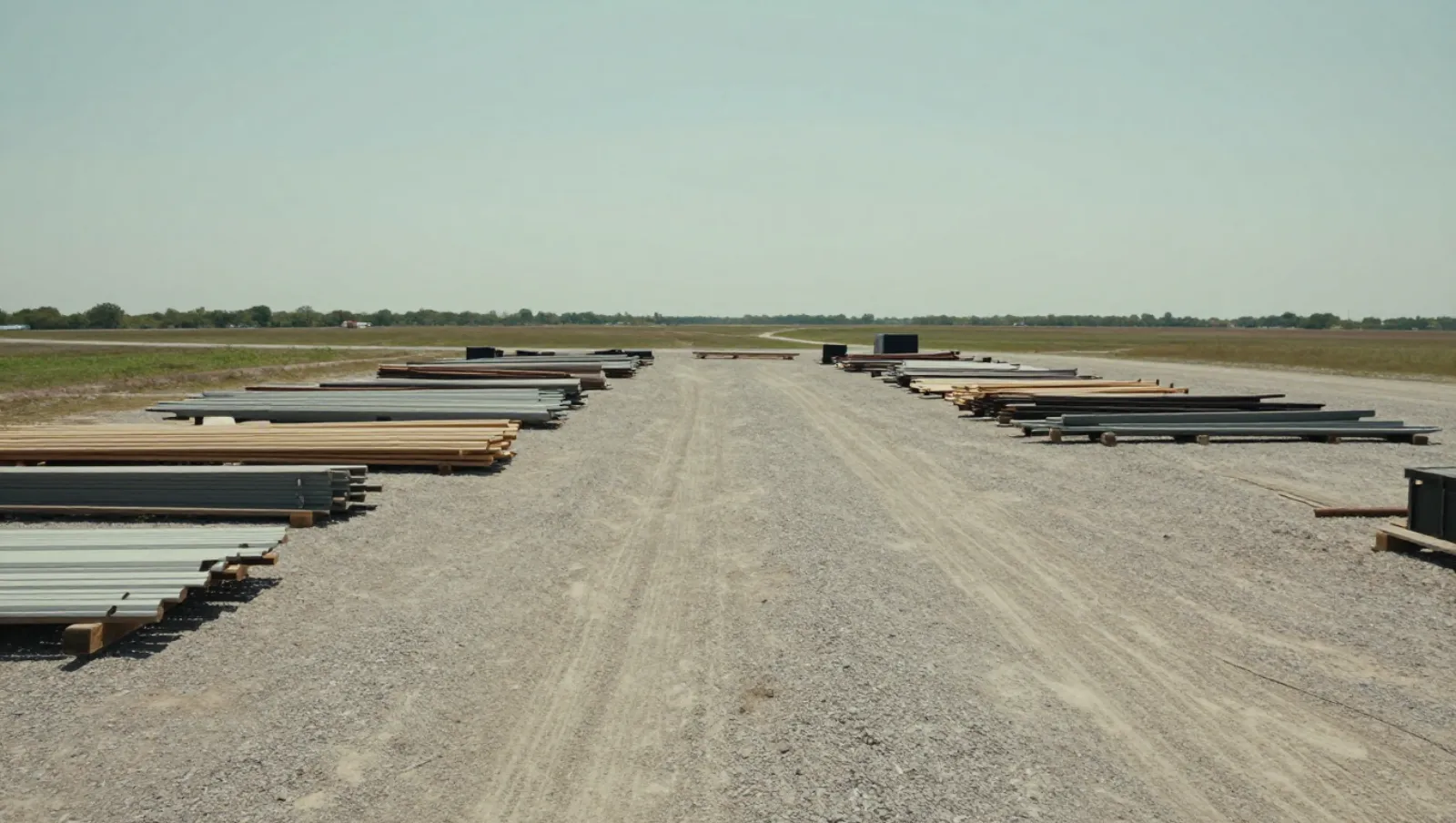
An experienced excavation contractor ensures each phase of construction dirt work is executed correctly by planning for soil conditions, water management, slope, and logistics from the start. Addressing these challenges early saves time and money while protecting the long-term usability and value of the property.
For a deeper look at common pitfalls and how to avoid them, check out common site preparation mistakes and learn how professional planning makes a difference.
How to Choose an Excavation Contractor for Large-Scale Projects
Selecting the right excavation contractor is one of the most important decisions for a large acreage project. The choice affects timelines, budgets, and the long-term performance of your land. Large-scale projects present challenges that smaller contractors may not be equipped to handle, so knowing what to look for is critical.
When evaluating contractors, focus on the following key factors:
- Experience in Large-Scale Construction Dirt Work Look for a proven track record with multi-acre site preparation, mass excavation, grading, and drainage systems.
- Review completed projects of similar size and complexity to ensure familiarity with Texas terrain and regulations.
Equipment and Capabilities
- Confirm the contractor has specialized machinery for grading, hauling, compaction, and erosion control.
- Proper equipment improves efficiency, maintains precise elevations, and reduces rework.
Communication and Planning
- Choose a contractor who provides a clear project process, timeline, and frequent updates.
- Ensure they coordinate with engineers, surveyors, and utility providers so each phase aligns with the overall plan.
Full-Service Excavation and Contracting
- Working with one provider for land clearing, grading, drainage, roads, and utility installation simplifies management and ensures consistency.
For Texas property owners, Daniel Dean offers comprehensive large-acreage solutions, including land clearing, site preparation, grading, drainage, road construction, and utility coordination. Partnering with a full-service contractor like Daniel Dean ensures your project runs smoothly, meets regulatory standards, and protects the long-term value of your land.
Final Thoughts on Excavation Contractor for Large Acreage Projects in Texas
Large acreage projects in Texas require careful planning, experienced execution, and coordinated infrastructure to ensure long-term property value. From land clearing and mass excavation to grading, drainage, and utility installation, every step must be handled by skilled professionals to avoid costly mistakes and delays. Understanding the challenges of soil variability, water management, slope, and logistics is critical for successful development.
If you are planning a multi-acre project, start by selecting an experienced excavation contractor who can manage all aspects of site preparation and construction dirt work. Full-service contractors like Daniel Dean provide end-to-end solutions, including grading, drainage, road construction, and utility coordination.
To protect your investment and ensure your land is build-ready, contact Daniel Dean today for inquiries or questions about our land clearing and excavation services. Our team will guide you through the process and deliver reliable, professional results for your property.
Frequently Asked Questions
- What is excavation contracting?
- Excavation contracting is the professional service of preparing land for construction, including grading, drainage, and utility work. Contractors manage crews, equipment, and planning to ensure a safe and build-ready site.
- How much is an excavation permit?
- Excavation permit costs vary by project size and location. Small sites may be a few hundred dollars, while large projects often involve TCEQ permits and local impact fees up to $25,000 per acre.
- Is an excavator a contractor?
- An excavator is the operator or machine that moves earth. An excavation contractor oversees the full project, including planning, equipment, crews, and regulatory compliance.