
Have you ever wondered why some building projects in Houston move smoothly while others spiral into delays and budget overruns? Construction Houston TX continues to surge as demand rises across both residential and commercial sectors, making the choice of builder more critical than ever.
With construction Houston TX accounting for nearly half of all residential permit activity statewide and more than 28,900 new permits issued through the third quarter of 2025, competition among construction firms in Houston has never been higher.
This rapid growth creates a real problem for property owners. The market includes experienced Houston construction contractors alongside general contractors in Texas who may lack local expertise. Without proper vetting, owners risk code violations, structural issues, and unexpected costs tied to Houston’s unique soil, flood exposure, and regulatory environment.
In this blog post, you will learn the most important questions to ask before hiring a builder in Houston. These insights will help you evaluate qualifications, assess local experience, and identify professionals who can protect your investment and deliver a successful project.
Credentials and Proven Compliance With Houston Codes
The first step in vetting general contractors in Texas is verifying their legal and professional standing. Unlike many other states, Texas does not require a “general contractor” license at the state level; instead, the regulatory burden falls on local municipalities and specialty trade boards.
You must ensure that your builder is not only registered as a business with the City of Houston’s Department of Administration & Regulatory Affairs but also holds the specific, state-mandated licenses for critical subsystems. A builder’s lack of a “general” state license makes their local reputation and specific trade credentials the primary benchmarks for their professional legitimacy.
To ensure your project remains compliant and protected, verify that your contractor holds or employs subcontractors with the following credentials:
- State-Issued Trade Licenses: Valid licenses from the Texas Department of Licensing & Regulation (TDLR) for HVAC and Electrical work, and from the Texas State Board of Plumbing Examiners (TSBPE) for plumbing.
- City of Houston Business Registration: Proof of registration with the City of Houston to legally operate and pull permits within the city limits.
- Comprehensive Insurance Suite: A minimum of $500,000 to $1,000,000 in General Liability insurance, active Workers’ Compensation, and Builder’s Risk coverage.
- 2021 International Building Code (IBC) with Houston Amendments: Documentation showing the builder is currently operating under the city’s adopted 2021 IBC/IRC standards (effective as of January 2024).
- National Electrical Code (NEC) 2023: Compliance with the latest state-mandated electrical safety standards.
- Floodplain Development Permits: Specifically for projects in high-risk zones, ensure they are experienced with Houston City Code Chapter 19 requirements.
A reputable builder should be able to provide proof of General Liability insurance and Workers’ Compensation. Without these, any accident on your property could lead to significant legal and financial liability for you as the owner. Furthermore, ask if they have a dedicated team or consultant to manage the permitting process through the Houston Public Works department. Navigating the “Houston Permitting Center” can be a bureaucratic maze, and you need a partner who understands how to secure approvals for plumbing, electrical, and structural work without unnecessary delays.
Establishing this foundation of legality ensures that the project starts on the right foot. Once you are confident in their professional credentials, you must pivot to the specific physical challenges that define the local geography.
Experience Handling Houston Soil, Flooding, and Climate Risks
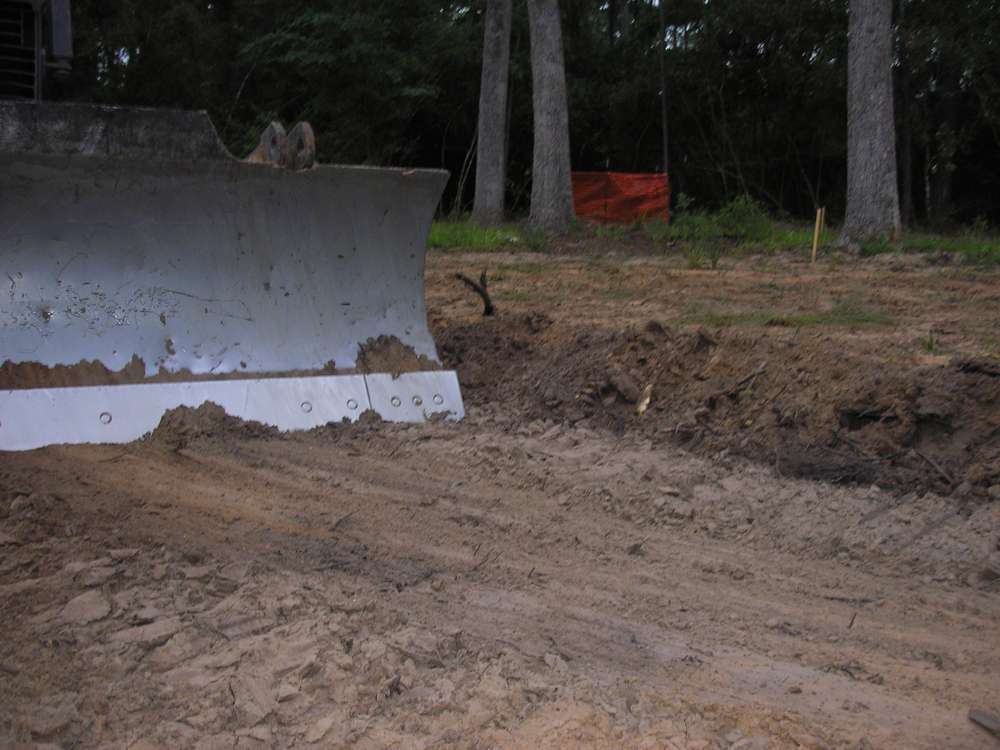
Houston presents unique environmental hurdles that can compromise the long term performance of a structure if a builder fails to address them properly. The area’s expansive clay soil expands and contracts as moisture levels change, which places constant stress on foundations.
You should ask potential Houston construction contractors how they evaluate soil reports and what foundation systems they recommend for local conditions. Builders with real construction Houston TX experience can explain when post tension slabs, drilled piers, or pier and beam foundations offer the best protection against movement and cracking.
| Risk Factor | Why It Matters in Houston | What to Ask the Builder |
| Expansive clay soil | Causes foundation shifting and cracking | How do you design foundations for Houston soil conditions |
| Flood exposure | Increases structural and water damage risk | How do you use flood maps and elevation requirements |
| Heavy rainfall | Affects drainage and site stability | What drainage systems do you install |
| High humidity | Leads to mold and moisture intrusion | How do you control moisture inside the building |
| Extreme heat | Impacts materials and energy use | What insulation and ventilation strategies do you use |
Flood mitigation also plays a critical role in project planning. Experienced construction firms in Houston understand how to interpret current floodplain maps and design grading, elevation, and drainage systems that comply with local requirements.
Climate control matters just as much. Builders must manage humidity, airflow, and insulation to protect indoor air quality and energy efficiency. These environmental strategies protect the structure, but effective execution also depends on strong project management and clear communication throughout the build, just like the planning steps you should never skip when tackling complex tasks, such as the top mistakes when killing weeds in ponds.
Pricing Transparency, Payment Terms, and Warranty Coverage
The financial structure of a construction contract can vary wildly. It is important to ask whether a builder operates on a “fixed price” contract or a “cost-plus” basis. In a fixed-price agreement, the builder assumes more risk but provides you with a definitive budget. In cost-plus, you pay for the actual costs plus a percentage fee, which can offer more flexibility but requires rigorous auditing of receipts.
You should also request a detailed breakdown of the payment schedule. Payments should be tied to specific, verifiable milestones, such as the completion of the foundation, framing, or “dried-in” status, rather than simple calendar dates. Finally, inquire about the warranty. Most elite builders in the region offer a “1-2-10” warranty: one year for workmanship and materials, two years for mechanical systems (plumbing, electrical, HVAC), and ten years for major structural defects.
A builder who puts their financial and warranty terms in writing demonstrates a commitment to quality and accountability. This transparency is a key part of working with trusted professionals, much like the careful planning Daniel Dean recommends in his guide on how to clear brush without damaging plants to protect your property while preparing a site.
Protect Your Property Before Construction Starts
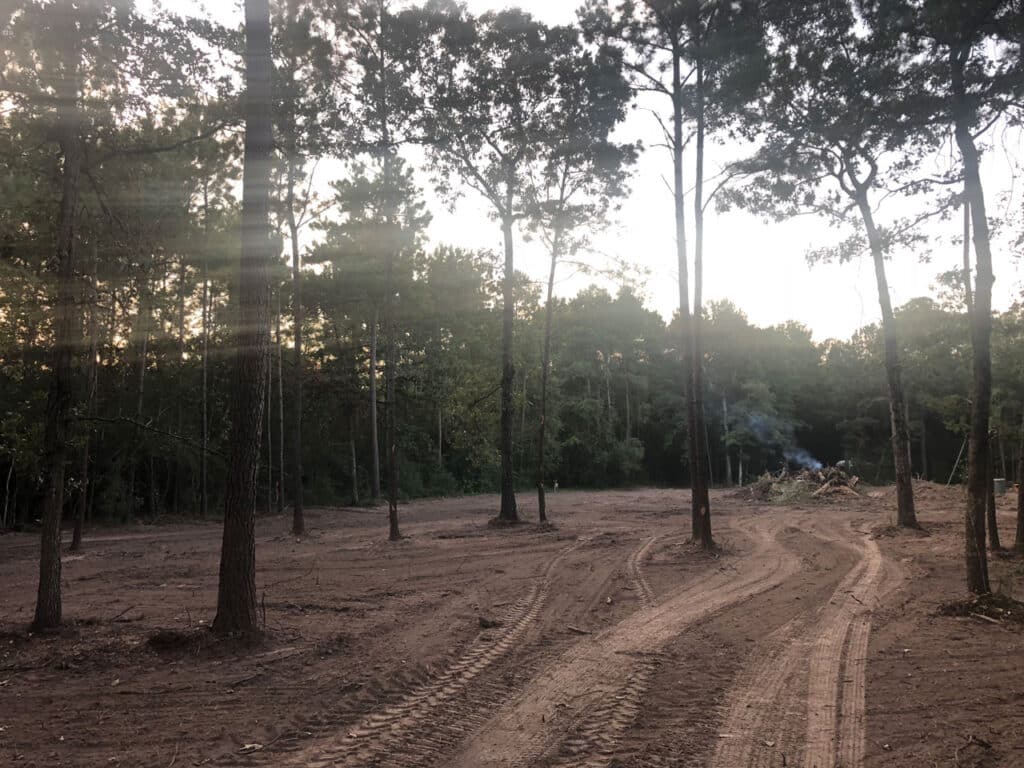
Before breaking ground on any construction Houston TX project, protecting your property is critical. Improper site preparation can damage existing vegetation, create drainage problems, or destabilize the soil, all of which can lead to costly delays and repairs. Daniel Dean emphasizes a careful, methodical approach to land clearing that preserves valuable trees and plants while making room for construction equipment and materials.
Following proven techniques for brush removal and site management, Daniel Dean helps homeowners and builders maintain the integrity of the property throughout the project. This proactive approach not only safeguards the landscape but also ensures that subsequent construction phases, such as foundation work, grading, and drainage installation, can proceed smoothly.
Engaging professional services for property protection is a small upfront investment that prevents major headaches later, keeping your construction Houston TX project on track and within budget.
Frequently Asked Questions
How much do construction workers in Houston make?
Construction worker salaries in Houston vary depending on experience, role, and project type. On average, general laborers earn around $18 to $25 per hour, while skilled trades such as electricians, plumbers, and carpenters can make $30 to $45 per hour. Project managers and specialized roles with experience in large-scale projects or construction Houston TX typically earn $70,000 to over $100,000 annually. Rates can also fluctuate based on union affiliation, certifications, and the complexity of the work.
How much does construction cost in Houston?
Construction costs in Houston depend on the type of project, materials, and site conditions. Residential construction averages between $120 and $200 per square foot for custom homes, while commercial projects can range from $150 to $400 per square foot depending on size and finish quality. Costs are influenced by local labor rates, permitting fees, soil conditions, flood mitigation requirements, and material availability. Hiring experienced construction firms in Houston can help manage these variables effectively.
Is construction slowing down in Texas?
Construction in Texas, including Houston, remains active despite market fluctuations. Residential permits alone accounted for over 28,900 new filings through the third quarter of 2025, representing nearly half of all statewide activity. While some sectors may see temporary slowdowns due to supply chain issues or interest rate changes, demand for quality housing, commercial space, and infrastructure projects continues to drive growth. General contractors in Texas with local expertise remain in high demand to meet this ongoing construction need.
Final Thoughts on Construction Houston TX: Questions to Ask Before Hiring a Builder
Choosing the right builder is the single most important decision for any construction Houston TX project. By verifying credentials, evaluating experience with local soil and flood risks, reviewing project management practices, and confirming transparent pricing and warranties, you reduce the risk of delays, cost overruns, and structural issues. These steps ensure your investment is protected and your project is completed to the highest standards.
Now that you know the critical questions to ask, take action. Reach out to experienced professionals who understand Houston’s unique environmental and regulatory challenges. At Daniel Dean, we offer expert land clearing and construction support, helping you prepare your property for success. Contact us for inquiries or to discuss your upcoming project. Our team is ready to provide guidance, answer your questions, and ensure your construction Houston TX project starts on the right foundation.
Contact Daniel Dean today to get started.