Homemade Pond Dredge in Texas: What Works and What Doesn’t
Is your pond slowly losing depth even after trying a homemade pond dredge? Many Texas landowners turn to a homemade pond dredge as a low cost solution, but results often fall short. An unmanaged pond in Texas can lose about 1 to 3 inches of depth each year due to organic muck and runoff, which gradually impacts water clarity, fish health, and overall usability.
Because professional pond dredging is a real investment, many property owners attempt DIY pond dredging instead of hiring dredging services. While this approach seems practical, Texas soil conditions and sediment types create challenges that many DIY setups cannot handle effectively.
In this blog post, we will talk about what actually works with a homemade pond dredge in Texas and what does not, so you can decide whether DIY pond dredging is enough or if professional solutions make more sense.
What Is a Homemade Pond Dredge?
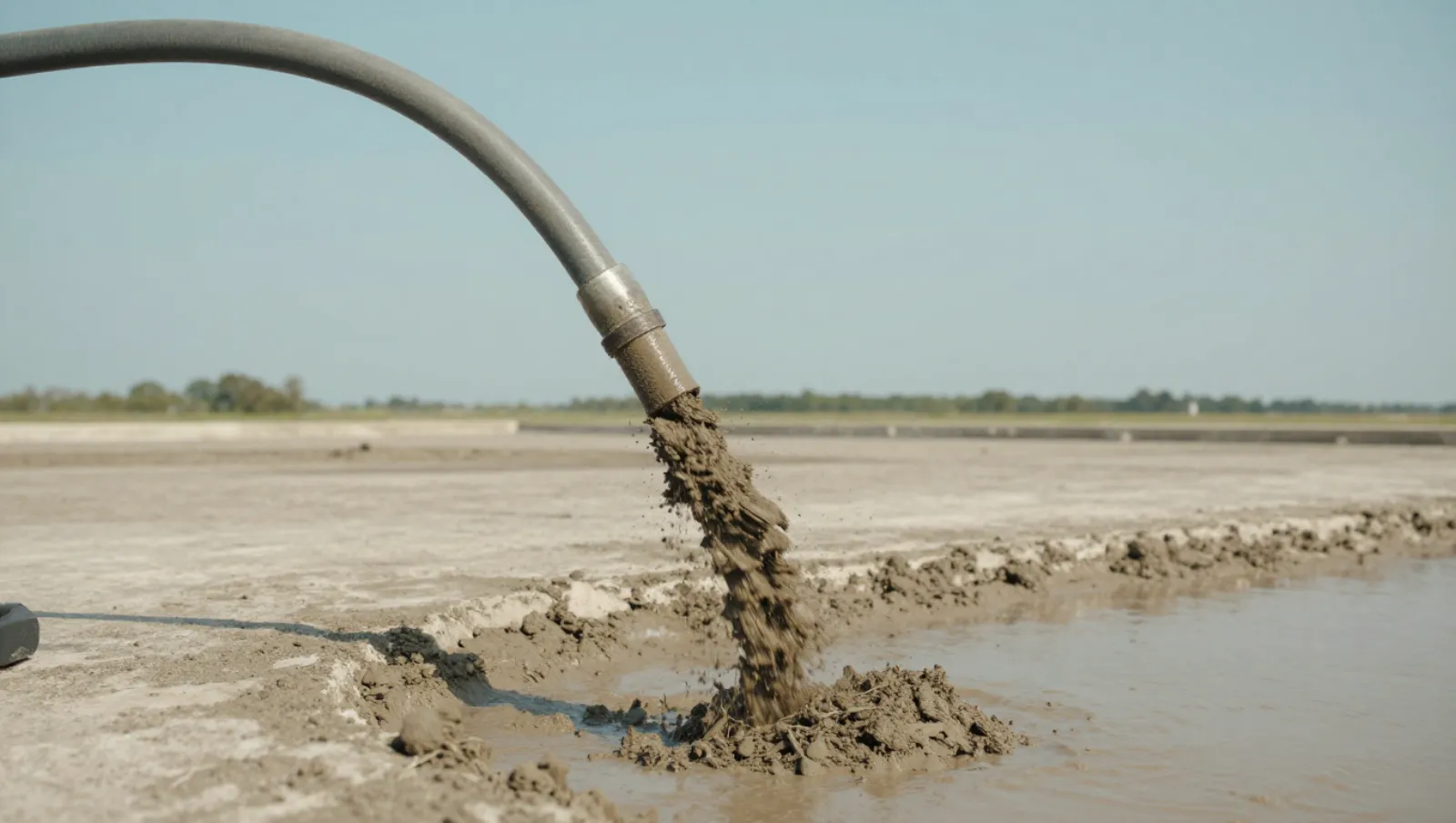
A homemade pond dredge is a DIY setup designed to remove sediment, sludge, and organic debris from the bottom of a pond. Most systems rely on a basic combination of a water pump, suction hose, and discharge pipe.
Instead of heavy machinery, DIY pond dredging uses suction to pull a mixture of water and soft sediment from the pond floor and move it to another location.
Common components include:
- Trash or slurry pump
- PVC or flexible suction hose
- Floating platform or small raft
- Discharge hose for relocating sediment
This setup works similarly to small-scale hydraulic dredging, but without the power or efficiency of commercial equipment used in professional dredging services. While the concept is straightforward, performance depends heavily on sediment type, pond size, and overall site conditions. This becomes especially important in Texas.
What Works with a Homemade Pond Dredge in Texas
Before expecting major results, it is important to understand where a homemade pond dredge actually performs well. In Texas, success depends on using it in the right situations rather than forcing it into large or complex projects.
Before choosing where to apply DIY pond dredging, it helps to clearly compare the situations where it performs best and why they work.
| Use Case | Best Conditions | What It Removes | Why It Works Well | Expected Results |
|---|---|---|---|---|
| Soft Organic Sediment Removal | Shallow areas with loose, decomposed material | Leaves, plant decay, algae buildup, fine organic sludge | Soft sediment is easy to suction and transport using a homemade pond dredge | Improved water clarity and reduced surface muck |
| Small Pond Maintenance | Ponds with light sediment and limited size | Minor buildup across shallow zones | Smaller scale makes DIY pond dredging manageable and less time-consuming | Maintained depth and gradual improvement over time |
| Targeted Spot Dredging | Specific problem areas like docks or inflow points | Localized sediment accumulation | Focused effort increases efficiency and avoids unnecessary full pond dredging | Cleaner high-use areas with less labor required |
| Light Seasonal Cleanup | After heavy rain or seasonal runoff | Fresh sediment deposits and organic debris | Preventive removal keeps buildup from becoming severe | Slower long-term sediment accumulation and easier maintenance |
What Doesn’t Work in Texas Conditions
While DIY pond dredging can seem practical, Texas conditions create very specific challenges that most homemade pond dredge setups are not built to handle. Understanding these limitations helps you avoid wasting time on methods that will not solve the real problem.
| Limitation | What Happens in Texas Ponds | Why a Homemade Pond Dredge Struggles | What You Can Do Instead |
|---|---|---|---|
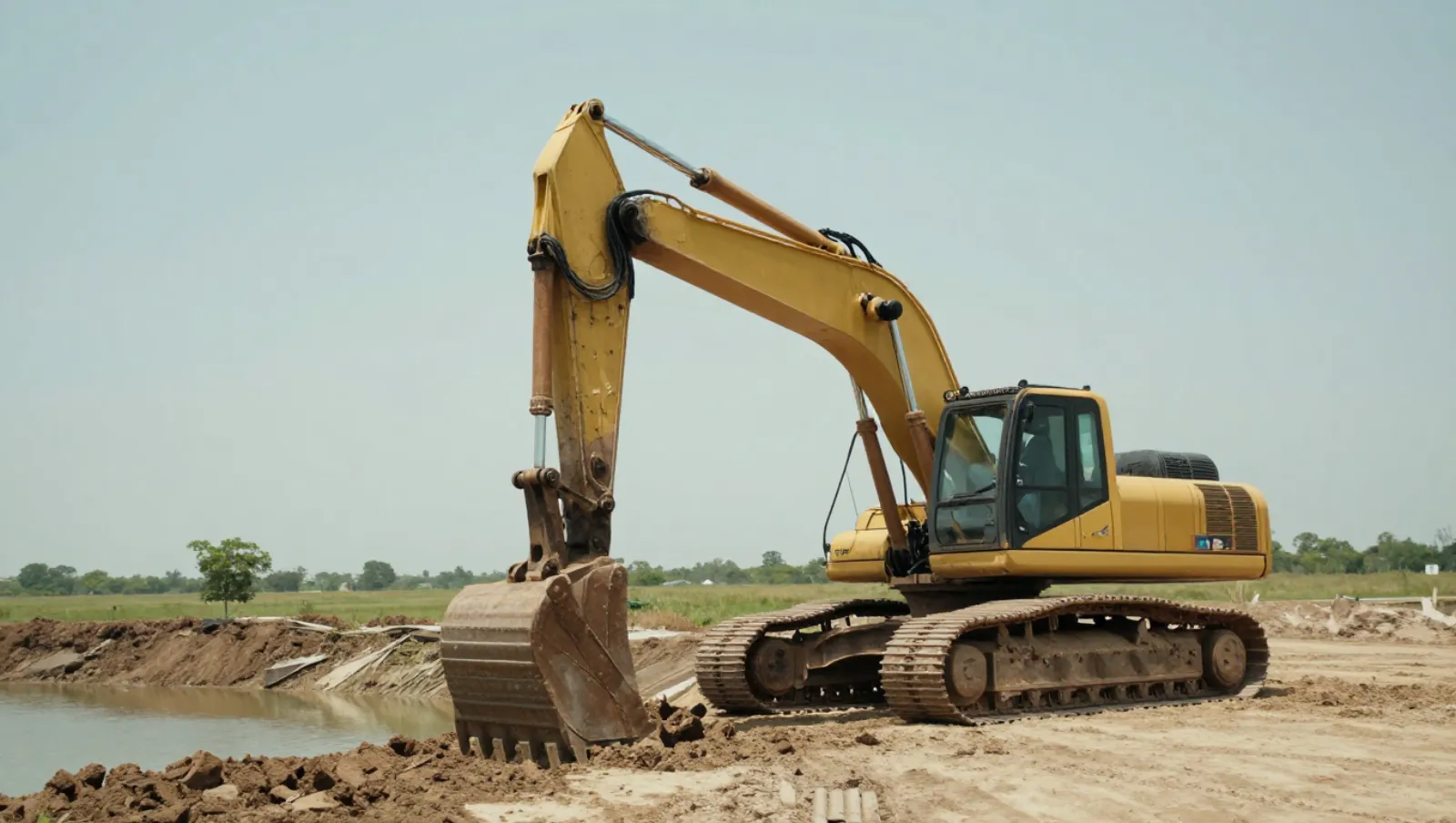
| Clay and Compacted Soil | Pond bottoms often consist of dense clay that hardens over time | Suction cannot break apart compacted layers, so only loose material gets removed | Use mechanical excavation or professional pond dredging for full depth recovery |
| Deep Sediment Buildup | Many ponds accumulate over 1 to 2 feet of muck from years of runoff | Pumps lose efficiency with depth and clog easily with thick material | Drain and excavate or use high-capacity dredging services for large volumes |
| Large Ponds and Acreage | Farm and ranch ponds cover wide areas with uneven sediment distribution | DIY systems lack reach and power, making full coverage unrealistic | Focus on critical zones or bring in equipment designed for large-scale dredging |
| Drainage and Erosion Issues | Runoff continuously carries soil, nutrients, and debris into the pond | DIY pond dredging removes sediment but does not stop new material from entering | Improve grading, install drainage solutions, and stabilize pond banks |
| Sediment Disposal Challenges | Wet sludge expands in volume and requires space to dry and settle | Discharge areas quickly fill up and become messy or unusable | Plan a designated drying area or use hauling solutions with professional crews |
These are not just limitations. They directly impact how long your results will last. For example, removing soft sludge without fixing runoff means your pond can lose that same depth again within a year. Likewise, skipping clay removal leaves your pond shallow even after hours of work.
If you want results that last beyond a single season, Daniel Dean Land Clearing and Dirt Work handles everything from pond dredging to grading and drainage correction. Talk to a team that solves the cause of sediment buildup, not just the symptoms.
When to Choose Professional Pond Dredging Over DIY
There is a point where a homemade setup stops delivering practical results. At that stage, hiring experienced dredging services becomes the smarter choice. The decision depends on sediment depth, soil type, and whether underlying issues like runoff continue to affect your pond. Recognizing these signs early helps you avoid wasted effort and get longer lasting results.
Severe Sediment Accumulation
When a pond has lost a significant amount of depth, manual or pump-based methods become inefficient. Thick layers of buildup reduce water volume, impact fish habitat, and make the pond harder to use.
At this stage, removing material piece by piece takes too long and often leaves uneven results. Professional crews use high-capacity equipment that can remove large volumes quickly and evenly. This approach restores usable depth across the pond instead of just improving isolated sections.
Clay Heavy Pond Bottoms
Many ponds in Texas sit on dense clay that hardens over time. This type of material resists suction and cannot be easily broken apart using basic equipment. As a result, only loose surface sludge gets removed while compacted layers remain.
Heavy machinery can penetrate and remove these hardened sections, restoring both depth and structure. This is especially important when the pond bottom has become uneven or when previous attempts have failed to reach deeper layers.
Full Pond Restoration Goals
If your goal goes beyond basic cleanup, more advanced methods are required. Restoring original depth, reshaping the basin, and improving water flow all require precision and power that small-scale setups cannot provide.
Larger projects also involve moving significant amounts of material, which demands proper planning and equipment. A professional approach ensures the pond is not only cleaned but also improved for long-term use, whether for recreation, livestock, or property value. Understanding how vegetation affects pond health is also important, which is why it helps to learn more about types of aquatic vegetation for DIY ponds. Texas A&M AgriLife’s AquaPlant is the quickest way to identify exactly what is growing in your water before choosing a control method, since the right treatment depends entirely on the species.
Ongoing Drainage and Erosion Issues
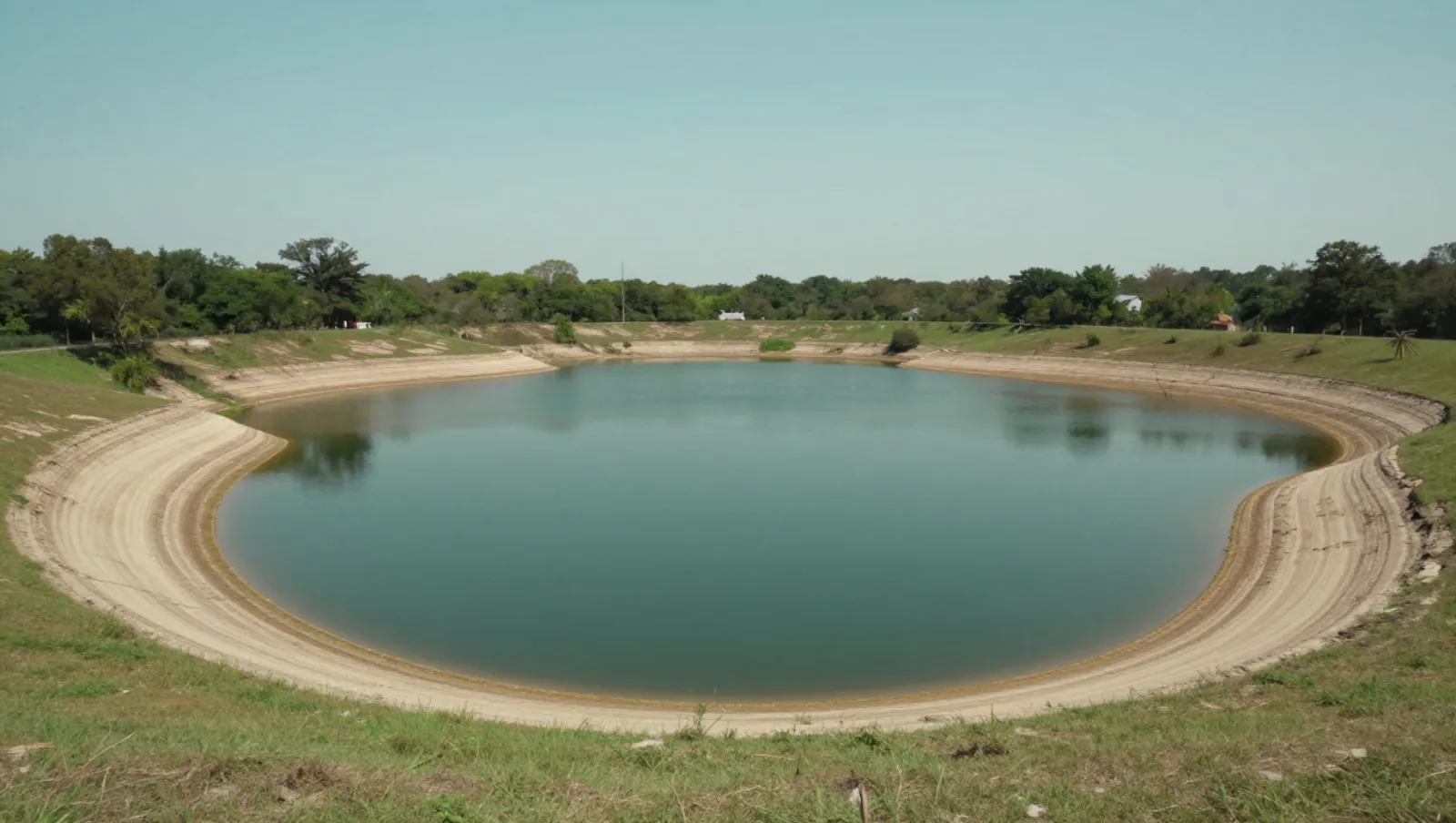
Sediment buildup often comes from surrounding land rather than the pond itself. Runoff, poor grading, and unstable banks continuously introduce new material into the water. Removing sludge without addressing these factors leads to repeated problems. Contractors can identify where the sediment is coming from and apply solutions such as reshaping the land, improving water flow, and stabilizing edges. Fixing the source prevents the pond from filling back in after cleanup.
Time and Cost Efficiency
Many property owners underestimate how much time and effort small-scale methods require. Setting up equipment, managing clogs, and handling wet material can take days or weeks with limited results.
While hiring experts involves a higher upfront cost, the work gets completed faster and more thoroughly. This reduces downtime and prevents repeated attempts, making it a more efficient option in the long run, especially for larger or more complex ponds. It also helps to understand key materials used in pond maintenance, so you can explore pond liner adhesive essentials for better long-term results.
Final Thoughts on Homemade Pond Dredge in Texas: What Works and What Doesn’t
A homemade pond dredge can be useful in the right conditions, especially for light maintenance, soft sediment, and small areas. However, Texas ponds often involve clay, deep buildup, and ongoing runoff issues that limit what DIY methods can realistically achieve. As you have seen, results depend on using the right approach for your specific situation. Small fixes may work short term, but long term pond health requires addressing the root causes of sediment buildup.
If your pond continues to lose depth or requires more than surface cleanup, it may be time to consider a more effective solution. Professional work ensures better depth restoration, improved drainage, and longer lasting results.
If you are unsure what your pond needs, Daniel Dean Land Clearing and Dirt Work is ready to help. Reach out through our contact page to discuss your project and get expert guidance tailored to your property.
Frequently Asked Questions
- What are the alternatives to dredging a pond?
- You can use aeration systems, beneficial bacteria treatments, and proper drainage improvements to reduce sludge buildup over time. These methods help manage sediment but do not remove large existing deposits.
- What are common dredging mistakes?
- Many people underestimate sediment volume, ignore disposal planning, and try to remove compacted material with inadequate equipment. Skipping drainage fixes also leads to sediment quickly returning after cleanup.
- What kills fish in a pond fast?
- Low oxygen levels, often caused by excessive algae or decaying organic matter, can kill fish quickly. Sudden chemical changes, runoff pollution, and rapid temperature shifts also contribute to fish loss.