

Have you ever wondered why some backyard ponds stay clear and healthy while others struggle with algae and murky water? Many pond owners overlook how much the right types of aquatic vegetation influence water quality and long term stability. Facts show that effective pond vegetation does more than look good because it actively regulates temperature, nutrients, and oxygen levels. When ponds lack the proper mix of plants in lakes and ponds, excess nutrients quickly trigger algae growth and oxygen loss. This problem often leads homeowners to rely on chemicals instead of natural solutions.
In this blog post, you will learn how different types of aquatic vegetation support a balanced pond ecosystem and reduce maintenance demands. Research shows that deep water plants can keep lower pond zones up to ten degrees cooler than the surface, which helps protect fish and beneficial bacteria. Pond owners who combine floating, submerged, and marginal plants also report needing far fewer algae treatments. This guide helps you choose smarter planting strategies and decide when a professional pond care service adds long term value.
Deep-Water Floating Plants
Deep-water floaters are characterized by their ability to root in deep substrate while sending foliage to the surface. The most common examples are Hardy Lilies and Lotus plants. Unlike smaller floaters, these species are heavy feeders. They draw nutrients from the pond floor, which is where organic matter and “sludge” tend to accumulate. By locking these nutrients into their massive root systems, they prevent the bottom-up release of gases that can cloud the water.
For a DIY pond to thrive, you should aim to have deep-water foliage covering roughly 40 to 60 percent of the surface during the peak of summer. This coverage serves a dual purpose: it cools the water by blocking thermal radiation and inhibits the photosynthesis of single-cell algae. When planting, ensure you place them at a depth of 12 to 18 inches. If the water is too deep, the plant will spend all its energy on stem growth rather than flowering. If it is too shallow, the leaves may burn in the sun.
Submerged Oxygenators
Submerged oxygenators, such as Hornwort and Vallisneria, are the engines of a healthy pond. These plants live entirely underwater and are the primary source of dissolved oxygen for your fish. While mechanical aerators or waterfalls add oxygen at the surface, submerged plants release it directly into the water where fish breathe.
These plants are also master filters. They are “luxury consumers” of nutrients, meaning they can absorb ammonium and nitrates through their leaves even before those nutrients reach the roots. This makes them your most effective weapon against string algae. For the best results, bunch these plants together in weighted mesh pots. This prevents koi or larger goldfish from uprooting them while allowing the plants to form dense “forests” that provide essential hiding spots for beneficial pond life.
Emergent and Marginal Plants
Marginal plants grow in the shallow “shelves” of a pond, usually in zero to six inches of water. Species like Pickerelweed, Sweet Flag, and Cattails are known as emergents because their roots are submerged but their stems and leaves stand tall above the water. In the world of pond vegetation, marginals are the primary defenders of your pond’s edge.
These plants provide “structural complexity” to the water’s edge, creating a habitat for damselflies and frogs that keep the local mosquito population in check. Furthermore, their thick root mats act as a biological filter for any runoff entering the pond from your lawn. If you are designing a DIY waterway, building a shallow gravel shelf for marginals will allow the water to move through the roots, naturally scrubbing the water of impurities as it circulates.
Floating Surface Varieties
Free-floating plants like Water Hyacinth or Amazon Frogbit do not require a pot or substrate. They drift freely, with their roots hanging into the water column like fine lace. This unique structure makes them the fastest nutrient absorbers in the aquatic world. Because their roots have a massive surface area, they act as magnets for suspended solids, helping to clear up murky or “turbid” water.
However, management is key with these species. Because they reproduce through runners, they can quickly overpopulate. If they cover the entire surface, they can cause “hypoxia,” a condition where oxygen cannot dissolve into the water from the air. A professional tip for DIYers is to use a floating PVC ring or a hula hoop to keep these plants contained in one corner of the pond. This keeps the center open for gas exchange while still reaping the filtration benefits.
Bog and Moisture-Loving Perimeter Plants
The bog zone is the saturated area just outside the pond liner where the soil stays perpetually damp but is not standing water. Plants like Joe Pye Weed, Siberian Iris, and various Sedges thrive here. This zone is critical for the long-term health of your project because it manages the transition from the aquatic environment to the terrestrial garden.
Bog plants absorb excess nutrients that enter the pond during heavy rainfall. They also soften the visual appearance of the pond edge by concealing the rubber liner and helping the water feature blend naturally into the surrounding landscape. In larger pond systems, a dedicated bog filter improves water clarity by circulating pond water through gravel and bog plants. This natural filtration method often outperforms costly mechanical pressurized filters while requiring less ongoing maintenance.
For ponds struggling with erosion or water runoff around the edges, implementing these practices alongside professional guidance can make a significant difference. Learn more about effective strategies in pond erosion control best practices to protect your water feature and maintain healthy pond vegetation.
Enhance Your Pond with Daniel Dean’s Expert Services
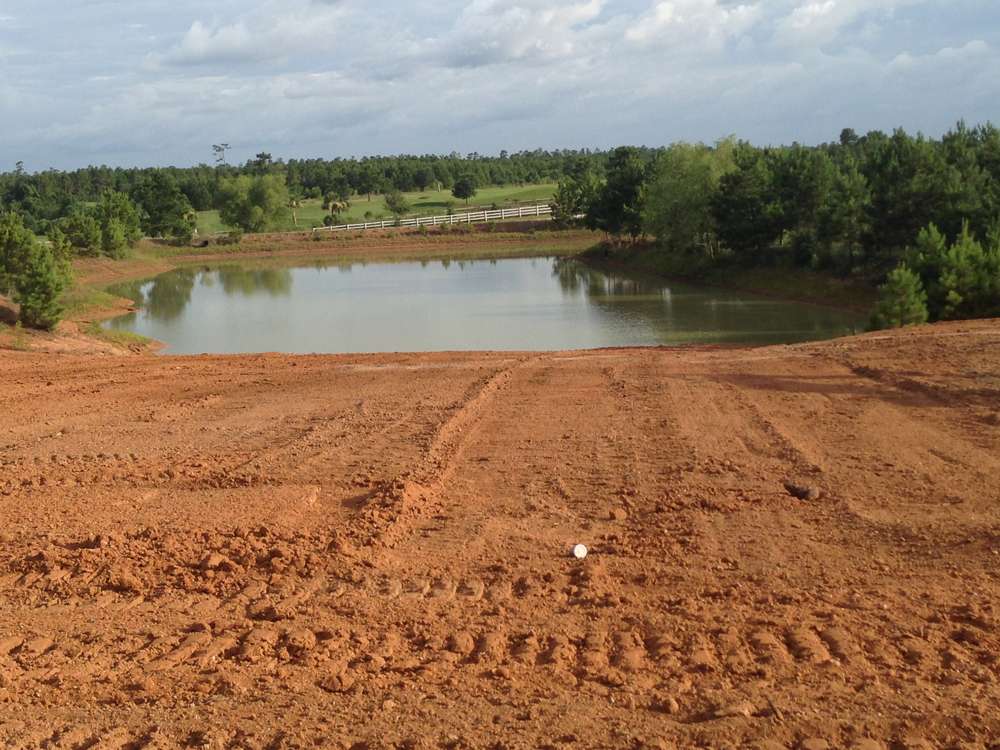
When a water feature grows beyond a casual DIY project, professional guidance becomes essential for long term success. Daniel Dean provides hands on expertise for pond and lake projects that demand precision, durability, and ecological balance. His experience in excavation, grading, and land preparation ensures that ponds support healthy water circulation and create stable conditions for all types of aquatic vegetation to thrive.
- Comprehensive site evaluation to support proper water flow and drainage
- Professional land clearing and grading for long-lasting pond structure
- Solutions for erosion control and shoreline stabilization
- Custom pond care service designed for sustainable pond vegetation
If your pond struggles with drainage, erosion, or inconsistent water levels, expert intervention can resolve issues that plants alone cannot fix. A well-prepared basin allows pond vegetation to establish strong root systems and supports plants in lakes and ponds over time. With the right foundation in place, your aquatic environment remains functional, visually appealing, and easier to maintain for years to come.
Frequently Asked Questions
What kind of aquatic ecosystems do we have in Texas?
Texas has rivers, lakes, ponds, wetlands, and marshes that support diverse wildlife. Types of aquatic vegetation help maintain water quality in these ecosystems.
What are the 10 examples of aquatic plants?
Common examples include water lilies, lotus, hornwort, elodea, anacharis, cattails, pickerelweed, duckweed, water lettuce, and marsh marigold. These cover floating, submerged, and emergent varieties.
What plants survive best outdoors in Texas heat?
Water lilies, lotus, cattails, pickerelweed, and hardy sedges thrive in hot Texas conditions. These types of aquatic vegetation stay healthy under strong sunlight and fluctuating water levels.
Final Thoughts on Types of Aquatic Vegetation for DIY Ponds and Garden Waterways
Creating a thriving pond or garden waterway starts with understanding the different types of aquatic vegetation and their roles. Deep-water floaters, submerged oxygenators, emergent and marginal plants, floating surface varieties, and bog-loving perimeter plants each contribute to water clarity, temperature regulation, and ecosystem health. By combining these plant types, you can build a balanced pond that reduces algae, supports wildlife, and enhances the beauty of your landscape.
To get started, evaluate your pond’s depth, sunlight, and nutrient levels, then select plants that match your site conditions. Consider incorporating professional guidance to maximize long-term success. Daniel Dean’s team offers expert pond care services, land clearing, grading, and erosion control to ensure your pond thrives for years.
For inquiries or questions about pond installation, maintenance, or land clearing services, contact us today at Daniel Dean and take the first step toward a healthy, vibrant water feature.