How to Get Rid of Pond Muck and Prevent Sediment Buildup
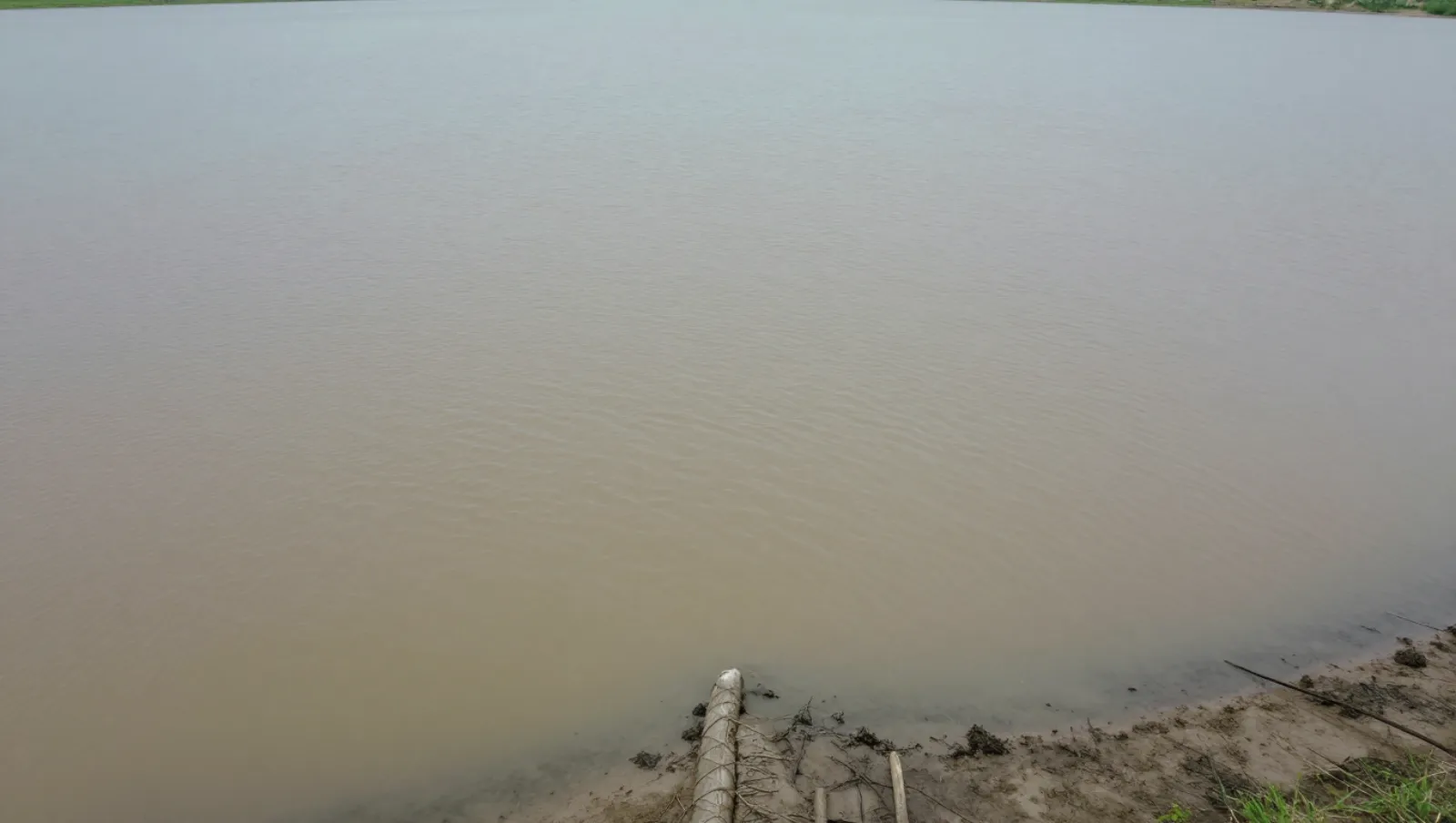
Have you noticed a thick layer of dark muck forming at the bottom of your pond or lake and wondered how to get rid of pond muck before it takes over completely?
In Texas, the intense summer heatspeeds up the decomposition of leaves, grass, and fish waste, causing organic matter to settle into dense sediment. On average, a neglected pond can accumulate 3 to 6 inches of muck per decade, and in areas with heavy runoff, that number can double. This buildup reduces oxygen at the pond bottom, which releases nutrients like phosphorus back into the water, fueling algae blooms and making the water green and unpleasant. Texas A&M AgriLife’s AquaPlant is the quickest way to identify exactly what is growing in your water before choosing a control method, since the right treatment depends entirely on the species.
The problem is more than unsightly sediment. Left unchecked, it harms aquatic life, limits recreational use, and makes lake muck removal a much bigger task later on. Understanding the causes and removal strategies also helps how to clear green pond water fast and maintain a healthy, clear pond year-round.
In this blog post, we will talk about practical methods to remove muck, prevent sediment buildup, and keep your pond clean and thriving.
Assess What’s Causing the Muck and Sediment in Your Pond
Before removing muck, you need to understand what created it in the first place. Pond muck is a mix of decaying plant matter, fish waste, excess nutrients, and soil sediment that settles to the bottom over time. Sources include:
- Fallen leaves, grass clippings, and vegetation that decompose on the pond floor.
- Fish waste and uneaten food that add organic matter.
- Runoff from nearby lawns, gardens, or agricultural land that carries soil and nutrients into the water.
- Erosion along pond banks and upstream areas that introduce fine soil particles.
These materials accumulate because stagnant water in a pond or lake does not flush them out effectively. Without consistent water movement and oxygen at depth, organic matter breaks down slowly and builds up as muck, leading to thick, smelly sediment layers that degrade water clarity and attract pests. Understanding these contributing factors helps you pick the right removal and prevention strategy for your situation.
Effective Removal Methods That Work for Your Pond’s Size and Condition
Once you know why muck has formed, address the existing buildup with the right removal methods. The most effective techniques vary by pond size, depth, and amount of sediment.
Mechanical and Manual Removal
- Hand Raking and Skimming: For smaller ponds, a long‑handled rake or net lets you scoop sludge into a container. This method removes coarse debris and dense organic matter at the bottom.
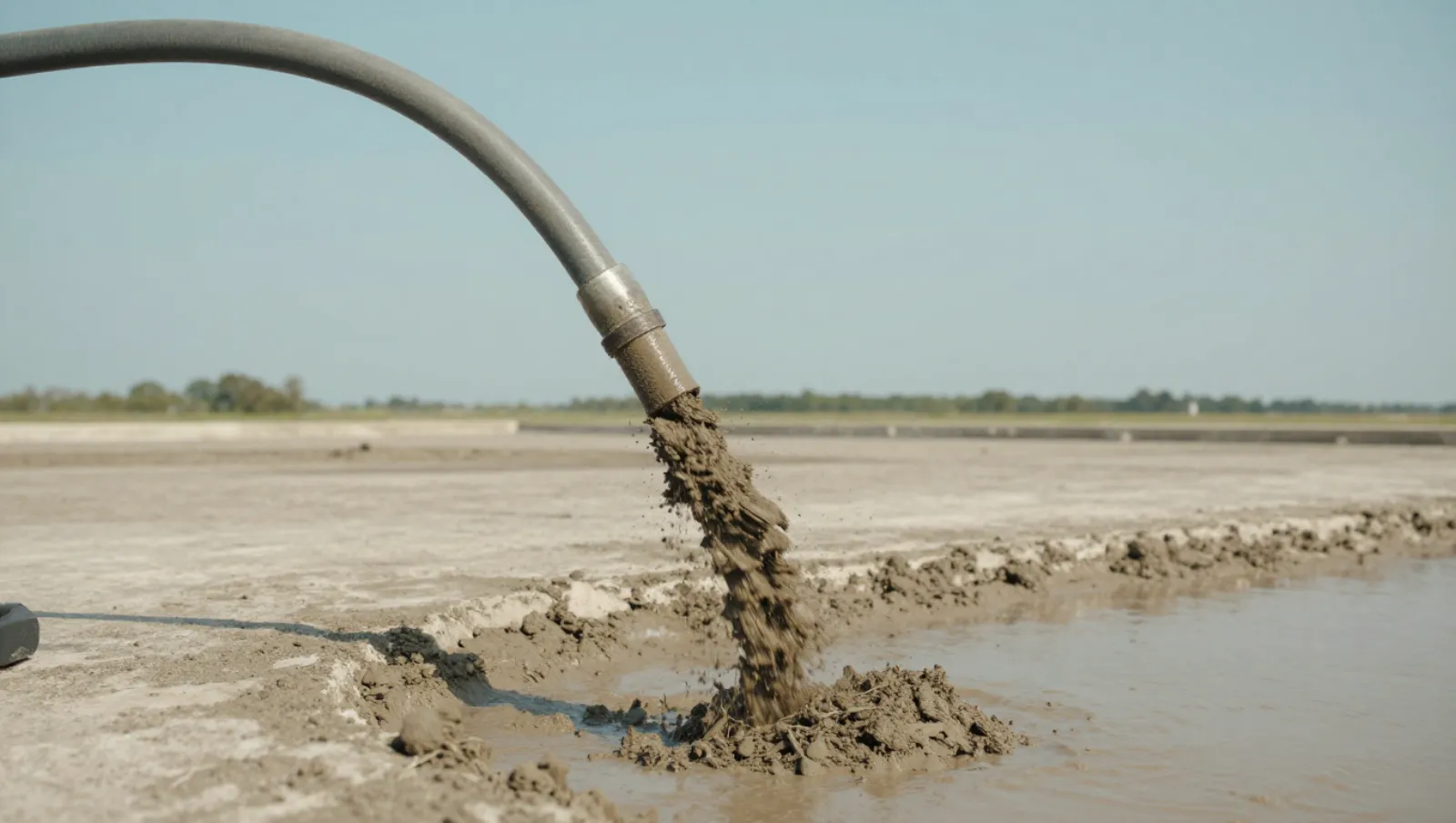
- Pond Vacuuming: A purpose‑built pond vacuum or wet/dry shop vacuum with a continuous discharge can suck up muck and pump it out to a disposal area. This is effective for targeted muck zones.
- Dredging: For large ponds or lakes with deep sediment layers, dredging with specialized equipment physically removes muck and sediment. It provides immediate reduction but is more expensive and may need permits.
Biological Treatments
Beneficial bacteria and enzyme products help break down organic muck naturally. These additives sink to the bottom and accelerate the decomposition of organic material into harmless byproducts like carbon dioxide and water. When used consistently in warmer months, these biological treatments can significantly reduce muck buildup over time.
Combining physical removal with biological enhancements usually produces the best results. Start by removing larger debris manually or with a vacuum, then apply bacteria and enzymes to help break down the finer organic matter that remains.
Preventing New Sediment from Entering Your Pond
After cleaning existing muck, prevention keeps it from returning. Focusing on how sediment enters your water body and minimizing those sources will slow muck accumulation.
- Erosion Control: Plant grass, shrubs, or install erosion blankets around pond banks to hold soil in place and keep sediment from washing in during storms.
- Debris Management: Install skimmers, nets, or covers to capture leaves and yard waste before they sink and become organic sludge.
- Reduce Nutrient Input: Avoid overfeeding fish, and minimize fertilizer use near the pond so excess nitrogen and phosphorus don’t wash into the water and fuel muck formation.

These measures reduce the amount of organic matter and fine soil entering the pond, which in turn slows sediment buildup and improves water quality over time. For additional ways to support a cleaner, low-maintenance pond environment, you can exploreartificial pond plants benefits.
Keeping Muck From Forming Again With Aeration and Water Movement
Consistent water movement and good oxygen levels are essential to break down organic material before it becomes thick muck. Aeration systems and pumps support aerobic bacteria that digest organic waste efficiently.
- Bottom Diffused Aeration: Diffusers installed near the pond bottom release oxygen throughout the water column, improving circulation and creating conditions for beneficial bacteria to thrive. This circulation also helps prevent stratification and keeps sediment suspended so it doesn’t settle as quickly.
- Surface Aerators: These devices agitate the water surface, adding oxygen and enhancing circulation in shallower ponds.
- Circulation Pumps: Pumps create current patterns that discourage stagnation and help distribute dissolved oxygen where it’s needed most.
Aeration systems not only help prevent the formation of muck but also support a balanced ecosystem where algae growth is less likely and water clarity improves. If you want to understand the root causes and proven solutions in more detail, explore this guide on pond sludge remover causes and fixes.
Why Professional Pond Services Matter and How Daniel Dean Can Help
Some ponds require expertise, especially when muck is extensive or recurring. Professional pond services ensure that the cleanup and prevention plan is tailored to your specific water body and long‑term goals.
Daniel Dean’s team provides comprehensive pond assessments to identify the sources of muck and sediment buildup. They combine targeted removal techniques like dredging or vacuuming with biological treatments that accelerate natural decomposition. For prevention, they design and install effective aeration systems and erosion control solutions that fit your site’s unique landscape. Ongoing maintenance plans also include regular sediment monitoring and seasonal adjustments to control nutrients and debris before issues escalate.
With Daniel Dean’s services, your pond will not only be cleaner but also maintained in a way that supports aquatic health, clarity, and long‑lasting enjoyment.
Final Thoughts on How to Get Rid of Pond Muck
Learning how to get rid of pond muck starts with understanding what causes it, then applying the right mix of removal methods and prevention strategies. Mechanical cleanup, biological treatments, erosion control, and proper aeration all work together to improve water clarity and slow future sediment buildup. When you stay consistent with maintenance, you protect your pond’s health, appearance, and usability.
The next step is to evaluate your pond and take action before muck becomes harder and more expensive to remove. Small improvements now can prevent larger issues later.
If you need expert support, Daniel Dean provides professional pond management, land clearing, and maintenance services tailored to your property. Contact their team today through our contact page to ask questions, schedule a consultation, and get a customized plan to keep your pond clean, clear, and well-maintained year-round.
Frequently Asked Questions
- How do you get rid of mud in a pond?
- You can remove mud using pond vacuums, dredging, or manual raking for smaller areas. Adding beneficial bacteria also helps break down organic material over time.
- What will eat pond muck?
- Beneficial bacteria and microorganisms naturally consume organic muck and convert it into harmless byproducts. Aeration helps these organisms thrive and work more efficiently.
- What causes muck in ponds?
- Muck forms from decomposing leaves, algae, fish waste, and runoff that settle at the bottom. Poor oxygen levels and excess nutrients accelerate this buildup.