
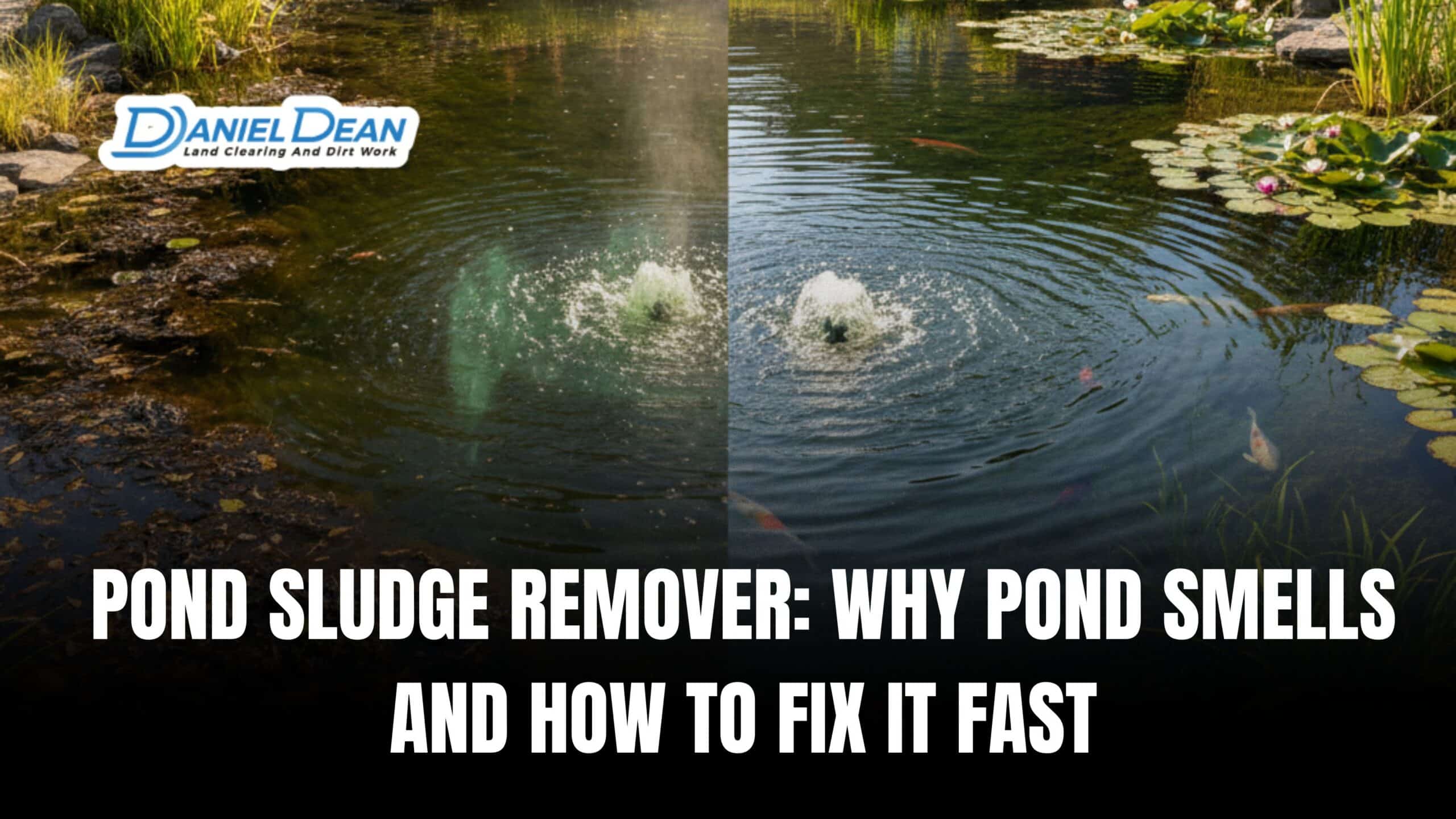
Why does a once clear pond suddenly smell foul and look unhealthy? Many property owners begin searching for a pond sludge remover as soon as odors appear because smell often signals serious buildup below the surface.
A reliable pond sludge remover can address the root cause, but ignoring the issue allows sediment to thicken and water quality to decline. An unmanaged pond can accumulate about one to two inches of sludge each year, which steadily reduces depth and oxygen levels.
As sludge builds, it traps gases and fuels algae growth, creating both environmental damage and financial risk. Research shows that poor water quality and visible aesthetic problems can lower waterfront property values by ten to twenty-five percent.
In this blog post, we’ll talk about what causes sludge, how to get rid of pond sludge safely, when a homemade pond sludge remover makes sense. We’ll also cover when pond dredging becomes the most effective solution.
What Causes Pond Odor and Sludge Buildup
Pond odor almost always connects to organic decomposition that occurs without sufficient oxygen. When organic matter settles at the bottom, aerobic bacteria initially break it down efficiently. Over time, as sludge thickens and oxygen becomes limited, anaerobic bacteria take over. These bacteria release gases such as hydrogen sulfide, which produces the strong rotten egg smell many pond owners notice.
As sludge accumulates, it also traps nutrients, reduces water depth, increases biological oxygen demand, and destabilizes the pond ecosystem. Understanding the primary contributors to sediment buildup helps property owners prevent long term damage and expensive restoration.
| Cause | How It Contributes to Sludge | Impact on Pond Health |
| Organic Debris Accumulation | Leaves, grass clippings, twigs, and dying aquatic plants sink and decompose | Increases organic layer thickness and gas production |
| Fish Waste and Overfeeding | Waste and uneaten feed settle at the bottom | Raises ammonia, boosts nutrient load, accelerates algae growth |
| Nutrient Runoff | Rain carries fertilizer, manure, and soil into the pond | Adds nitrogen and phosphorus that fuel algae blooms |
| Poor Circulation and Aeration | Limited oxygen in deeper water slows aerobic breakdown | Promotes anaerobic bacteria and foul odors |
| Natural Aging of the Pond | Gradual sediment deposition over years | Reduces depth and increases eutrophication |
When sludge builds beyond a few inches, water clarity declines, algae blooms intensify, and fish experience stress from reduced oxygen and higher ammonia levels. Left unmanaged, sediment accumulation decreases pond capacity and shortens its lifespan.
Early intervention through proper maintenance, aeration, and sediment management prevents structural decline and protects long term pond performance. Property owners who want to stay ahead of buildup should follow a structured service schedule outlined in this pond maintenance services frequency guide, which explains how consistent upkeep protects depth, water quality, and long term pond health.
Pond Sludge Remover Options That Actually Work
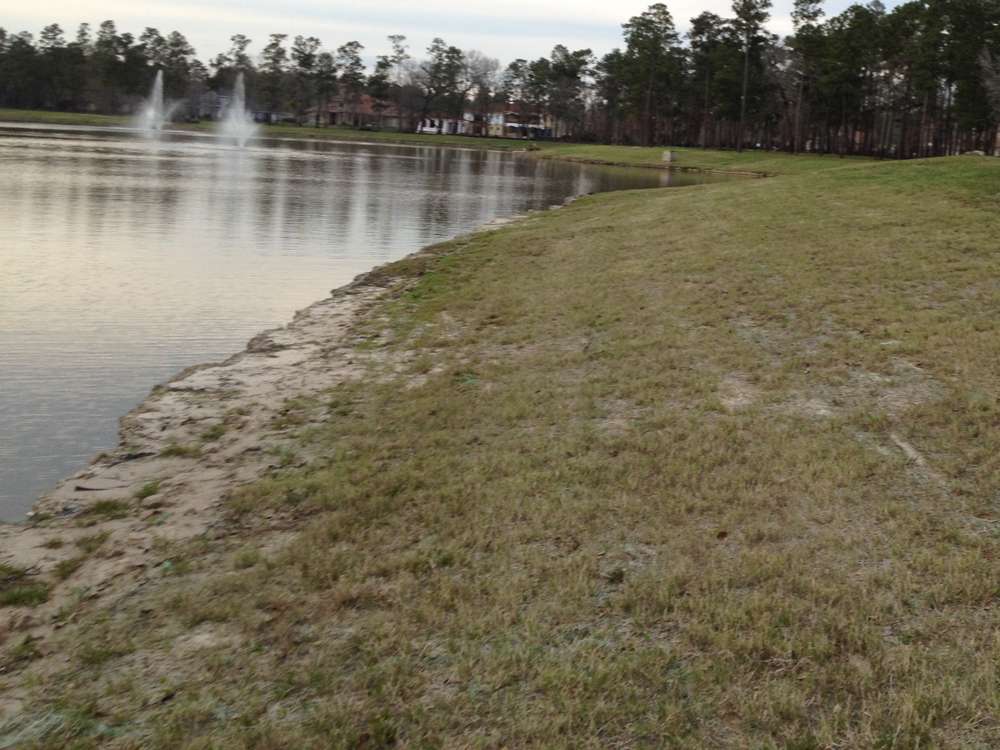
Once sludge and odor become noticeable, pond owners often look for the fastest solution. Not all methods deliver the same results. The right approach depends on sludge depth, pond size, and long term goals.
Biological Pond Sludge Remover Products
Many commercial products contain beneficial bacteria and enzymes designed to break down organic waste. These products accelerate natural decomposition by introducing bacteria that consume excess nutrients and organic material.
Best suited for:
- Light to moderate sludge
- Maintenance programs
- Preventing future buildup
They improve water clarity and reduce odor over time, but they do not remove heavy sediment instantly.
Homemade Pond Sludge Remover Methods
Some pond owners attempt a homemade pond sludge remover approach using aeration upgrades, manual raking, or adding barley straw to control algae.
Common DIY methods include:
- Installing diffused aeration systems
- Physically removing debris with nets or pond vacuums
- Using natural bacteria boosters
These methods can help with surface debris and mild organic layers. However, they rarely solve deep compacted sediment problems.
Mechanical Removal and Vacuum Systems
Pond vacuums and small dredge pumps physically remove sludge from the bottom. These systems provide faster results than biological treatments, especially in ornamental or smaller ponds.
However, large rural ponds or farm ponds often require more advanced solutions due to sediment volume.
Transitioning from minor buildup solutions to more serious removal methods becomes necessary when sludge depth exceeds manageable limits.
How to Get Rid of Pond Sludge Without Harming Fish
Fish safety remains a top concern when removing sediment. Sludge often contains trapped gases, high nutrient concentrations, and unstable organic matter. If you disturb it too quickly, you can release hydrogen sulfide, increase ammonia levels, and rapidly reduce dissolved oxygen. These sudden shifts stress fish, damage gill function, and may cause fish kills. A careful, step by step approach allows you to reduce sludge while protecting the biological balance of the pond.
1. Test Water Quality First
Before starting any sludge removal process, test the pond’s core water quality indicators. Measure dissolved oxygen, pH, ammonia, nitrite, and water temperature. These parameters reveal how stable the aquatic environment currently is and whether fish already face stress. For example, dissolved oxygen levels below 5 mg per liter can put many species at risk, especially during warm weather. Elevated ammonia often signals heavy organic decomposition in the sludge layer.
Testing helps you determine whether conditions can tolerate disturbance. If oxygen runs low or ammonia runs high, correct those issues first through aeration and biological treatment. Baseline readings also allow you to monitor changes during and after sludge removal. Without testing, you risk triggering a chain reaction that harms fish and beneficial bacteria.
2. Increase Aeration Before Removal
Aeration plays a critical role in stabilizing the pond before disturbing sediment. By circulating water from the bottom to the surface, aeration increases dissolved oxygen levels and supports aerobic bacteria that break down organic matter more efficiently. This process reduces the likelihood of anaerobic gas buildup, including hydrogen sulfide, which causes strong odors and fish stress.
Install or activate diffused aeration systems several days before beginning sludge removal. Continuous circulation strengthens the pond’s biological resilience. Aeration also helps prevent thermal stratification, which occurs when warm surface water and cooler bottom water separate. Stratification can trap low oxygen water at the bottom, and disturbing it suddenly can shock fish. A properly aerated pond handles sediment disruption far better than a stagnant one.
3. Remove Sludge Gradually
Never remove sludge from the entire pond at once. Work in sections to avoid releasing excessive nutrients and gases in a single event. If you use a pond vacuum or mechanical pump, target small areas and allow the system to stabilize before moving to the next section. This method prevents sudden oxygen depletion and limits ammonia spikes.
Gradual removal also protects beneficial microbial communities. These bacteria help process organic waste and maintain water clarity. Removing too much material too quickly can disrupt that balance and lead to algae blooms. If sludge depth measures more than several inches across large areas, consider staging the project over multiple weeks. Controlled removal reduces stress on fish and keeps water chemistry within safe limits.
4. Avoid Chemical Overuse
Some pond owners rely heavily on chemical treatments to break down sludge. While certain products can support decomposition, excessive or improper use can harm fish and disrupt beneficial bacteria. Harsh chemicals may temporarily clear odor but create long term imbalance in the pond ecosystem.
Instead, choose bacteria based products designed to enhance natural digestion of organic material. These biological solutions work gradually and support stable nutrient cycling. Always follow manufacturer dosage guidelines and avoid combining multiple treatments without professional guidance. Overapplication can increase biological oxygen demand, which lowers oxygen levels and stresses fish. A balanced approach produces better long term results than aggressive chemical intervention.
5. Monitor Fish Behavior
After beginning sludge removal, observe fish closely for behavioral changes. Signs of stress include gasping at the surface, clustering near aerators, erratic swimming, or reduced feeding activity. These behaviors often indicate low oxygen or elevated ammonia.
Check water parameters daily during active removal. If oxygen levels drop, increase aeration immediately. If ammonia rises, pause removal and allow biological filtration to recover. Prompt adjustments prevent minor stress from turning into major losses. Monitoring also helps you refine future maintenance strategies.
Learning how to get rid of pond sludge safely protects fish populations, maintains water clarity, and preserves ecological balance. Careful planning, gradual removal, and consistent monitoring allow you to improve pond health without sacrificing aquatic life.
When Pond Dredging Is the Fastest and Most Effective Fix
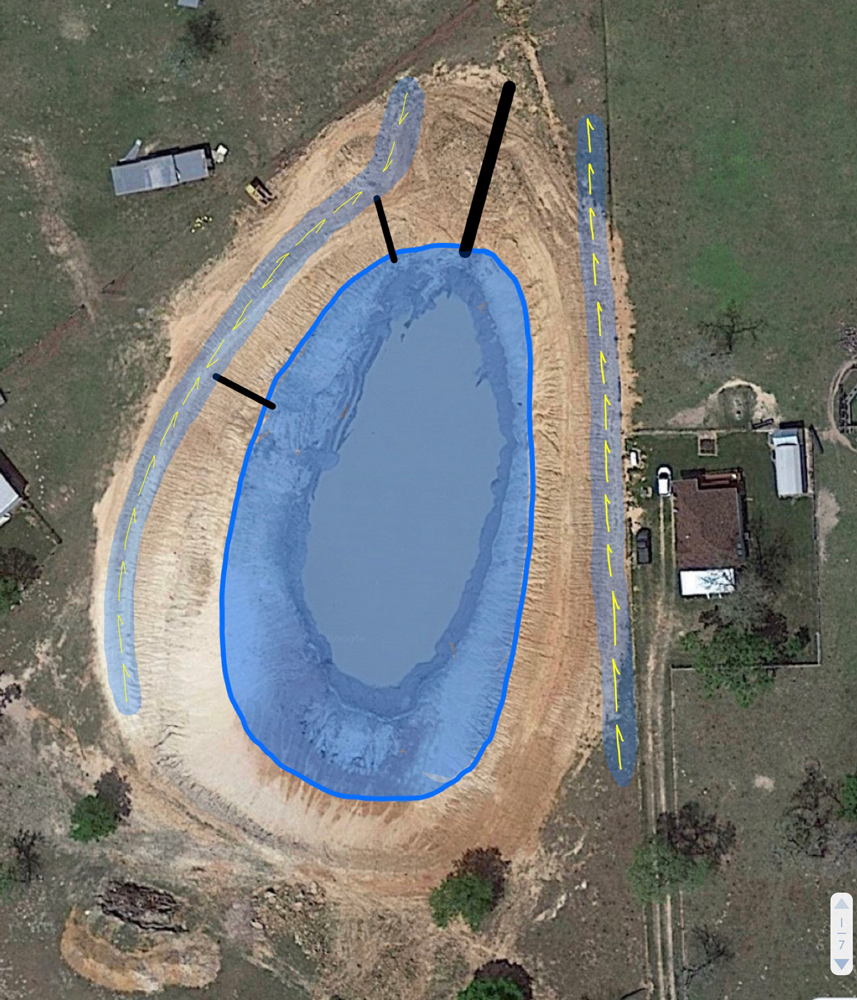
Biological treatments and small scale removal methods work best for minor to moderate buildup. However, when sludge reaches depths of one to three feet or more, pond dredging often provides the only lasting solution.
Pond dredging involves removing accumulated sediment using specialized equipment. Professionals assess pond depth, sediment composition, shoreline stability, and drainage patterns before beginning.
Dredging becomes necessary when:
- Pond depth has significantly decreased
- Odor persists despite treatment
- Fish populations decline
- Aquatic weeds and algae dominate
- Sediment contains heavy inorganic material such as silt and clay
Unlike surface treatments, dredging restores original pond depth and removes years of accumulated waste. It improves water circulation, increases oxygen capacity, and extends the lifespan of the pond. Professional dredging services also reduce long term maintenance costs. Once excess sediment is removed, ongoing biological management becomes far more effective.
For large farm ponds, HOA lakes, or commercial water features, dredging often delivers the most cost efficient and permanent outcome. After dredging, it is important to maintain your pond liner, and you can learn how to patch an EPDM pond liner to prevent leaks and protect your investment.
Frequently Asked Questions
How do you clean sludge out of a pond?
You can remove pond sludge using mechanical methods like a pond vacuum, or with biological treatments that break down organic matter over time. Gradual removal protects water quality and fish health.
What is the best sludge remover?
The most effective sludge remover depends on your pond’s size and sludge depth. Biological bacteria-based products and professional pond dredging often deliver the best results.
Is sludge remover safe for fish?
Yes, when used as directed, biological sludge removers are safe for fish. Avoid harsh chemicals and monitor water quality to prevent stress or oxygen depletion.
Final Thoughts on Pond Sludge Remover: Why Pond Smells and How to Fix It Fast
Sludge buildup and foul pond odors point to deeper structural and environmental problems that demand attention. A quality pond sludge remover can control light organic accumulation and improve water clarity, but long term neglect often leads to reduced depth, oxygen depletion, algae overgrowth, and declining fish health. When sediment becomes excessive, professional pond dredging restores capacity, circulation, and overall pond performance. Acting early prevents costly restoration and protects property value.
If your pond continues to smell, lose depth, or show signs of heavy sludge, take the next step now. Daniel Dean offers expert pond dredging, land clearing, and comprehensive site services that restore functionality and improve long term results. Contact the team directly through our pond and land services contact page to discuss your project, ask questions, and schedule a professional evaluation tailored to your property’s needs.