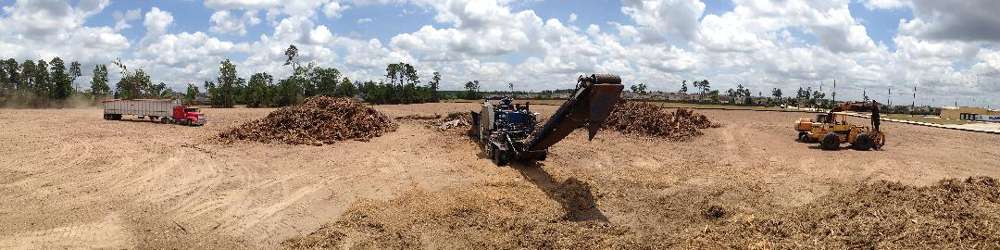
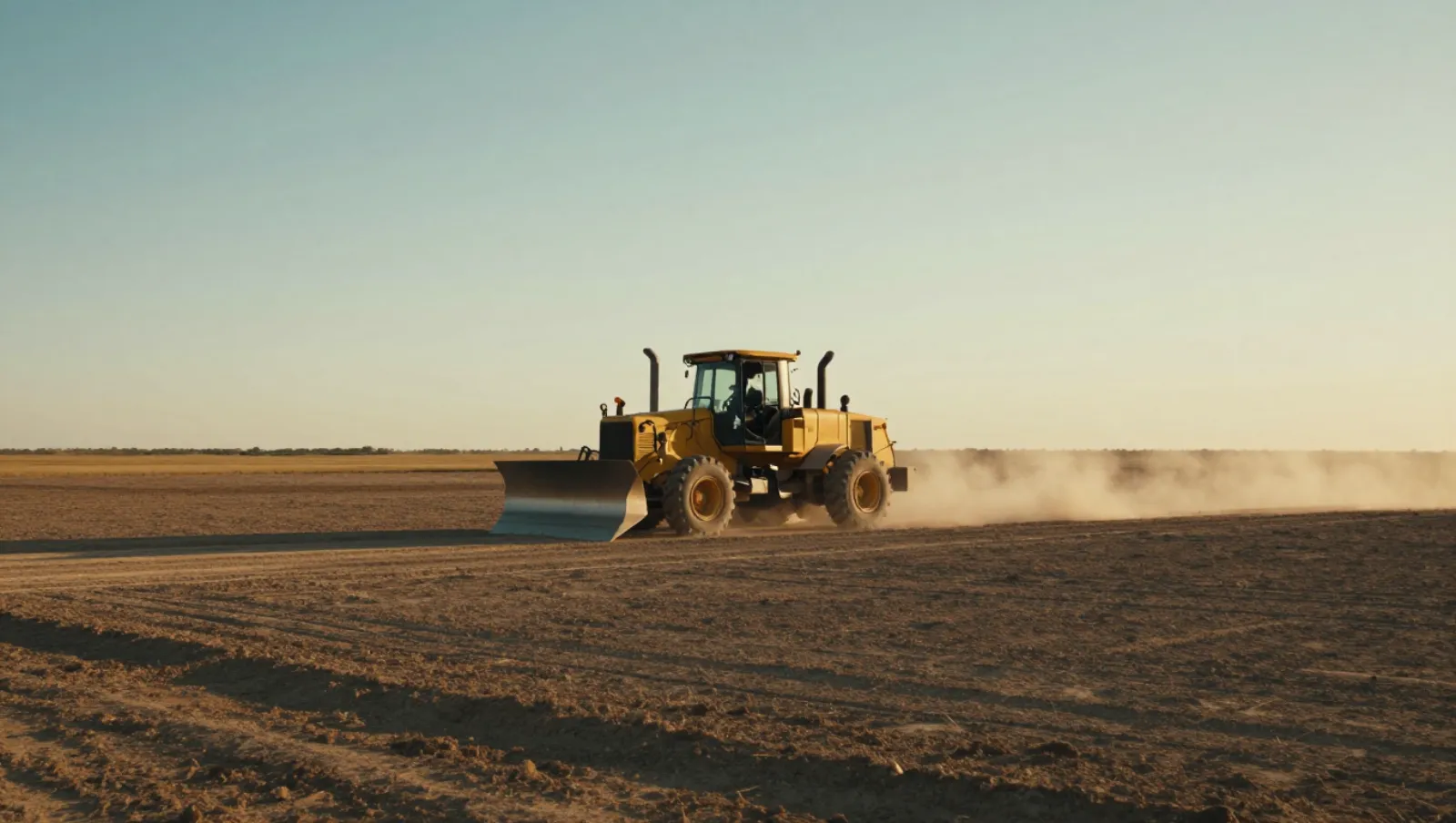
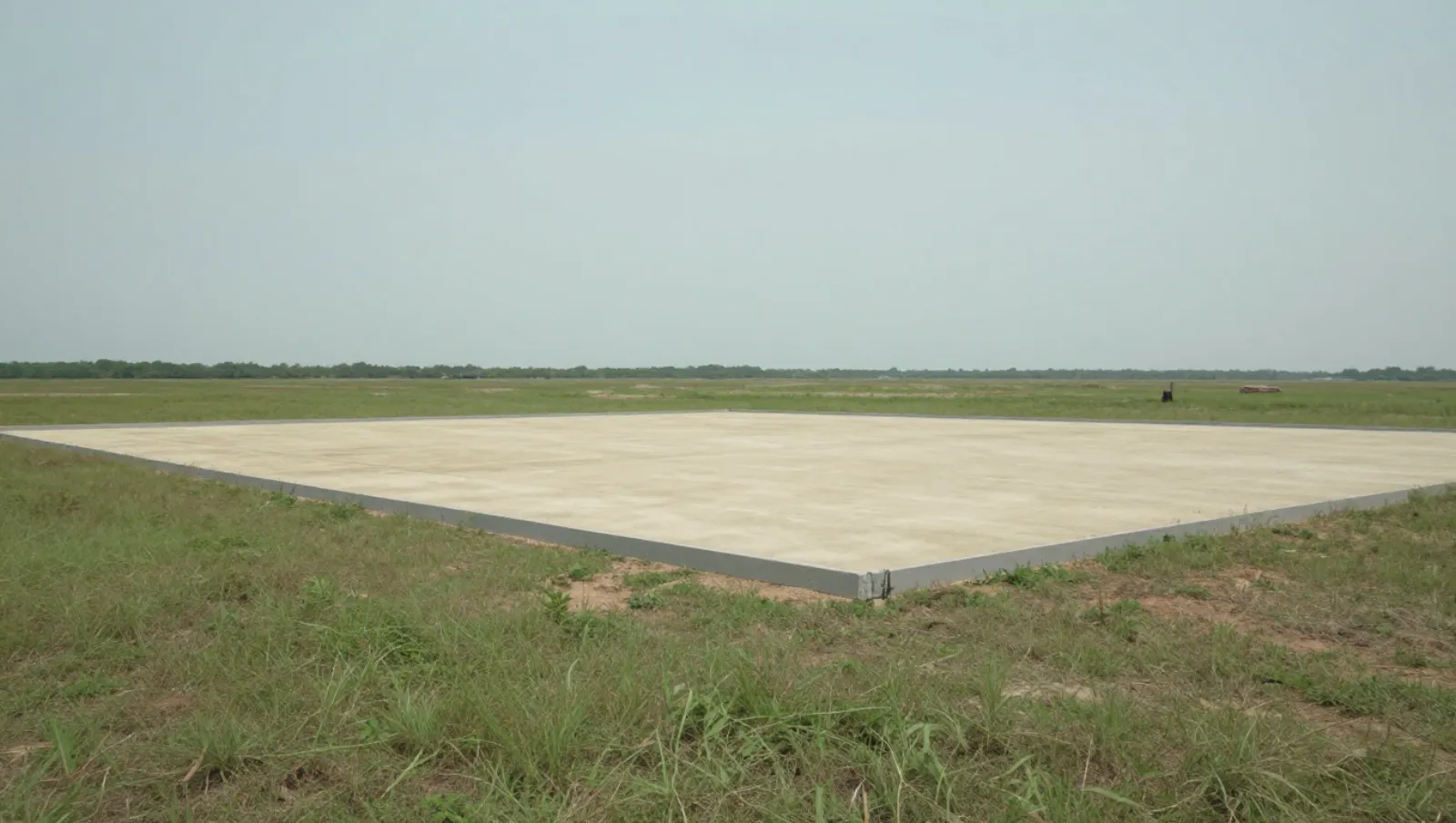
Sealy sits out on the flat coastal prairie west of Houston, where the ground is open, the fall is gentle, and a building pad has to be built up rather than cut in. That changes the arithmetic on a site — most of the work is importing and compacting select fill to the right elevation, not hauling spoil away.
Austin County properties out here run large, so the equipment can work efficiently once it is on site. The cost driver is usually material and haul distance rather than access, which is the opposite of a job inside the Houston loop.
We build pads for new houses, barns, and shops, cut driveways and culverts to the county's requirements, and level fields that have been left rough. On agricultural ground the finish grade matters as much as the elevation — water that ponds in a low spot will find it every spring.
What this covers in Sealy
- Building pads for homes, barns, and metal buildings, built and compacted to elevation
- Driveway construction with proper base and culvert sizing
- Field and pasture leveling on open prairie ground
- Select fill import, spreading, and compaction
- Site cut and fill balanced to reduce haul-off
How the work runs in Sealy
Site walk and elevations
We establish where the finished elevation needs to be relative to the road, the drainage, and anything already built. Getting this wrong is expensive to fix later.
Cut, fill, and balance
Wherever the grades allow, dirt that comes out is used on site rather than hauled off. Every load that leaves is a truck, a driver, and a tipping fee.
Compaction in lifts
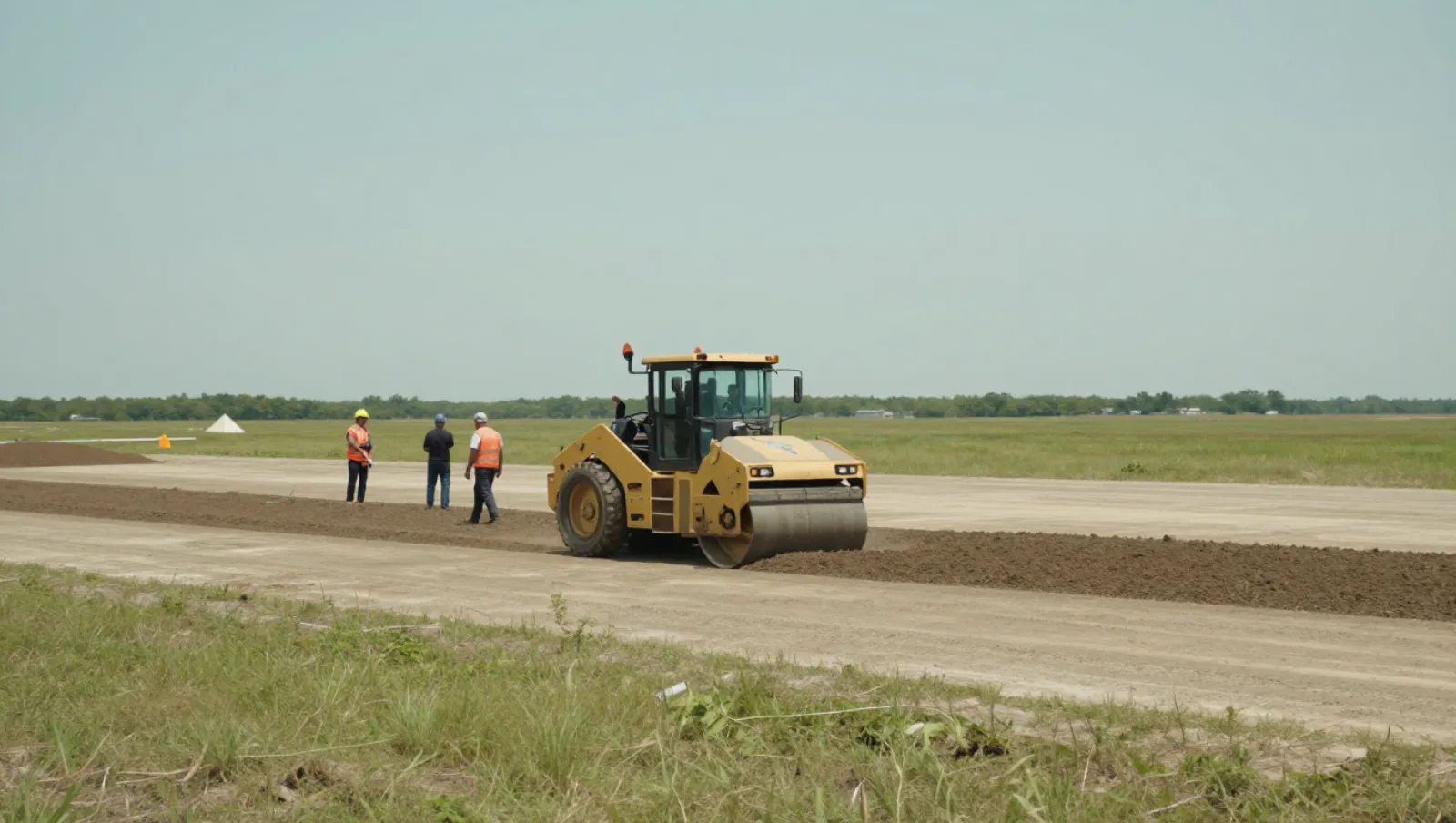
Fill goes down in layers and each is compacted. A pad built in one dump and smoothed over looks identical on day one and settles within a year.
Finish grade and drainage check
The last pass sets the surface fall so water leaves the pad rather than sitting against it.
Dirt Work & Land Grading in Sealy — common questions
- Do you do land grading around Sealy?
- Yes, and it is most of what we do out here. On this flat Austin County prairie a building pad has to be built up rather than cut in, so the work is importing and compacting select fill to the right elevation. Field grading, driveways, and culverts are the other regular calls.
- How much fill will my site need?
- It depends on the difference between the existing grade and the finished elevation, which is why the site walk matters. Wherever grades allow we balance cut against fill on site: every load imported or hauled off is a truck, a driver, and a fee that does not exist if the dirt can be used where it sits.
- Why does compaction matter so much?
- A pad built by dumping fill and smoothing it over looks identical to a properly built one on day one. The difference shows up as settlement — a cracked slab, a driveway that dips, a building that moves. Fill goes down in lifts and each is compacted, and on anything carrying a slab that is worth density-testing.
- Can you work around wet ground in Austin County?
- Sometimes, and sometimes the honest answer is to wait. Working saturated ground with heavy equipment leaves ruts that then have to be repaired, which costs more than the delay. We will tell you which situation you are in rather than churning the site.
Areas we serve around Sealy
Bellville · Cat Spring · San Felipe · Wallis · Brookshire · Columbus · Hempstead