
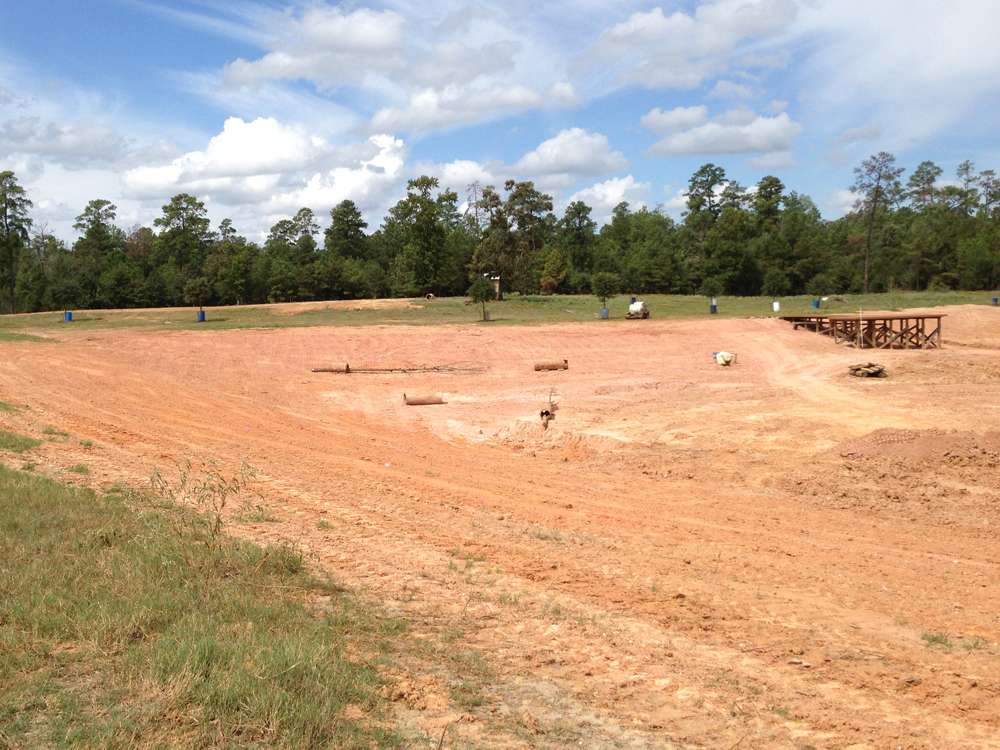
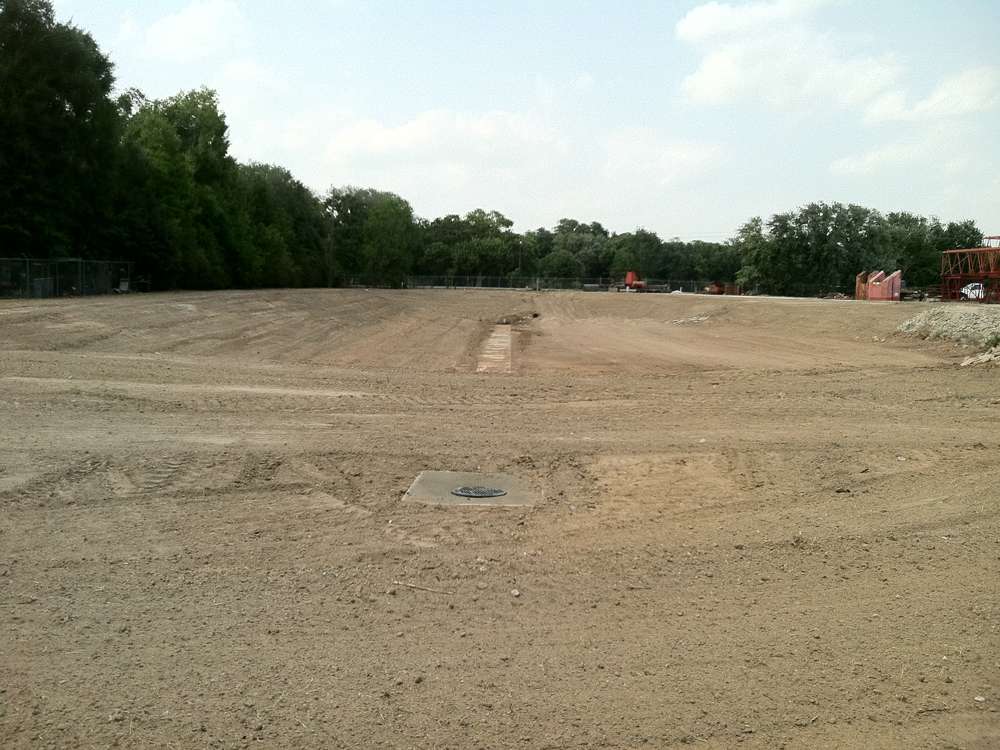
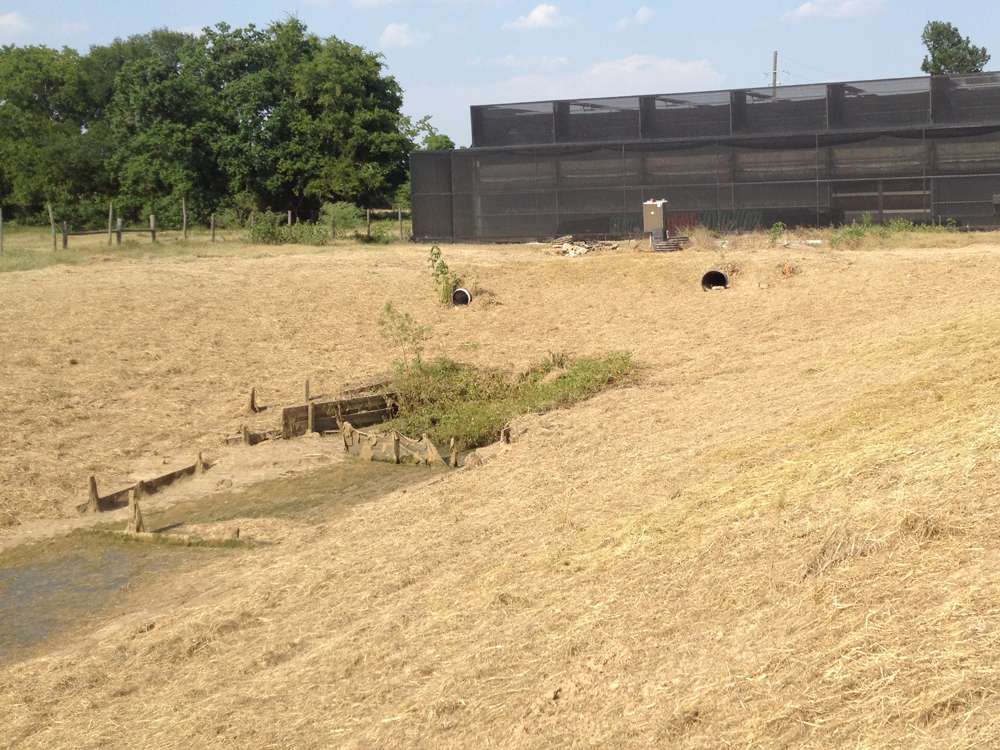
Daniel Dean builds detention and retention ponds for commercial and residential developments to your engineer's approved plans: excavation, slopes, forebays, outfalls, spillways, pumps and lift stations, finished and seeded.
Detention & Retention Pond Construction in Houston, TX
Daniel Dean builds detention and retention ponds for commercial and residential developments to your engineer's approved plans: excavation, slopes, forebays, outfalls, spillways, pumps and lift stations, finished and seeded.
- 33 years in businessSoutheast Texas since the start
- 1,000's of projectsResidential and commercial
- Fully insuredCertificate available on request
- Free on-site estimatesPriced from your actual property
- 11 counties servedHarris · Montgomery · Waller · Washington · Fort Bend and beyond
How much does detention pond construction cost?
Detention and retention pond construction is priced per project, from the plans. Below is what actually moves a pond quote. We review the plans and put the scope and number in writing at no charge.
What moves the price
- Pond size and depth
- The volume the drainage plan calls for, and how deep and wide the pond has to be to hold it, sets how much material has to be excavated.
- What happens to the excavated dirt
- On many sites the dirt from the pond is used on the same project for pads and fill areas. Whatever genuinely has to leave the site is priced as its own line.
- Soil and groundwater
- Wet ground, a high water table, or soft soil at the bottom of the excavation can mean dewatering or extra work to reach a stable, buildable grade.
- Structures on the plans
- Outfalls, spillways, emergency overflows, forebays, pumps, and lift stations are built on top of the earthwork. What the approved plans call for can move the number more than the size of the pond does.
- Completeness of the plan set
- We build to the approved civil plans and elevations. How complete and current the plan set is changes how much has to be answered by the engineer before work starts.
- Erosion control and stabilization
- Silt fence, erosion control blankets, and seeding or hydroseeding the slopes are part of finishing the pond and are priced from the plan quantities.
Send us the civil plans, or tell us where the project stands, and we will price the pond in writing before any equipment shows up.
Get my free estimateDetention or Retention?
A detention pond holds stormwater temporarily during a storm and releases it slowly through a controlled outfall. Many are dry-bottom basins that drain empty between storms; some are built with a wet bottom that keeps a permanent pool. A retention pond is designed to hold a permanent pool of water.
Which one a site needs, and how big it has to be, comes from the engineer’s drainage plan. We build either type to the approved plans.
- Detention: temporary storage, released slowly
- Dry-bottom or wet-bottom detention basins
- Retention: designed around a permanent pool
- Type and size set by the drainage plan
Detention and Mitigation for New Development
Across the Houston area, new development generally has to offset the extra runoff its roofs and paving create, so it does not add to flooding downstream. When fill is placed in a floodplain, many jurisdictions also require the lost flood storage to be replaced. That is a separate requirement from detention.
Each county, city, and drainage district sets its own rules, and some small sites are exempt. The engineer’s drainage plan decides how the storage is provided, whether an open pond, parking-lot storage, underground pipe, or another approved method, and the reviewing agency approves it. We build what the approved plan shows.
- Detention: offsets added runoff from new hard surfaces
- Floodplain fill mitigation: replaces lost flood storage
- Method set by the drainage plan and the reviewing agency
- Commercial sites, subdivisions, and industrial yards
Built to the Approved Plans
We excavate and grade the pond within the limits and elevations shown on the approved plans, shape the bottom, banks, slopes, forebay, and flow lines, and build the structures the engineer specified, with density testing coordinated with the engineer where the plans call for it.
- Excavation to plan limits and elevations
- Bottom, banks, slopes, forebay, and pilot channel
- Outfalls, spillways, and emergency overflows
- Pumps and lift stations
- Back-slope interceptors to protect the slopes
Erosion Control and Seeding
Disturbed slopes are protected with silt fence and erosion control blankets where needed, then seeded by broadcast or hydroseeding so vegetation holds the soil and the pond stays mowable.
- Silt fence and erosion control blankets
- Broadcast seeding for standard areas
- Hydroseeding for slopes and large areas
- Long-term slope stabilization
Detention pond construction questions
Yes. We excavate and grade the pond within the limits and elevations shown on the approved civil plans, then shape the bottom, banks, slopes, forebay, and flow lines to match. We build to the plans and elevations provided; the drainage design itself comes from the project engineer.
Detention and retention pond construction across the Greater Houston area
Daniel Dean runs his own equipment out of Magnolia and works across Harris, Montgomery, Waller, Washington, and Fort Bend counties.
Before work starts
In Harris County the Flood Control District sets the drainage and detention criteria a plan has to meet, and those criteria drive the basin sizing. You can read the current rules straight from Harris County Flood Control District, and we confirm what applies to your property during the site visit rather than guessing at it from an address.
If you are weighing us against another contractor, the work our customers describe is a better read on what we are like to deal with than anything we could write here.
Worth reading before you hire
Related guides
What it costs, how it is done, and what to ask before hiring.
Building a Home on Land: Why Proper Site Work Saves Money
Building a House on Land: How to Plan Your Site Work Timeline
Drainage Contractors Near Me: Standing Water Won't Drain Out
How Dredging Services Improve Drainage on Agricultural Land
Ideas to Drain Water Away from House After Land Clearing in TX
Yard Flooding: Why Water Stays After Every Rain
Ready to Transform Your Property?
Get an estimate for your land clearing, dirt work, or property development project. We serve Houston and surrounding areas.