
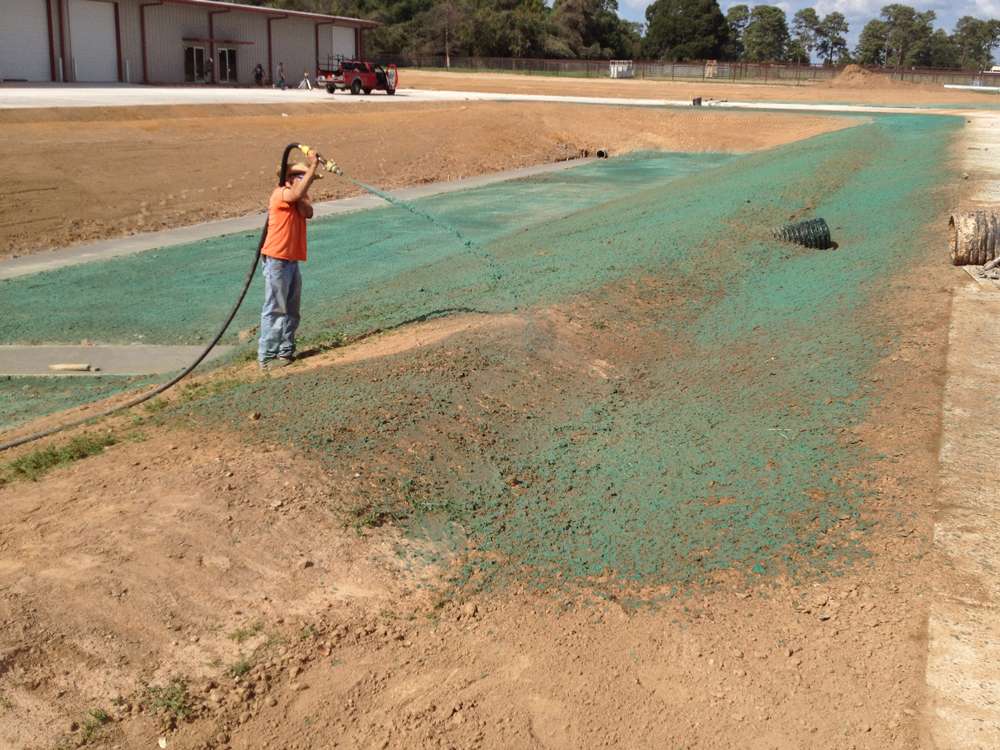
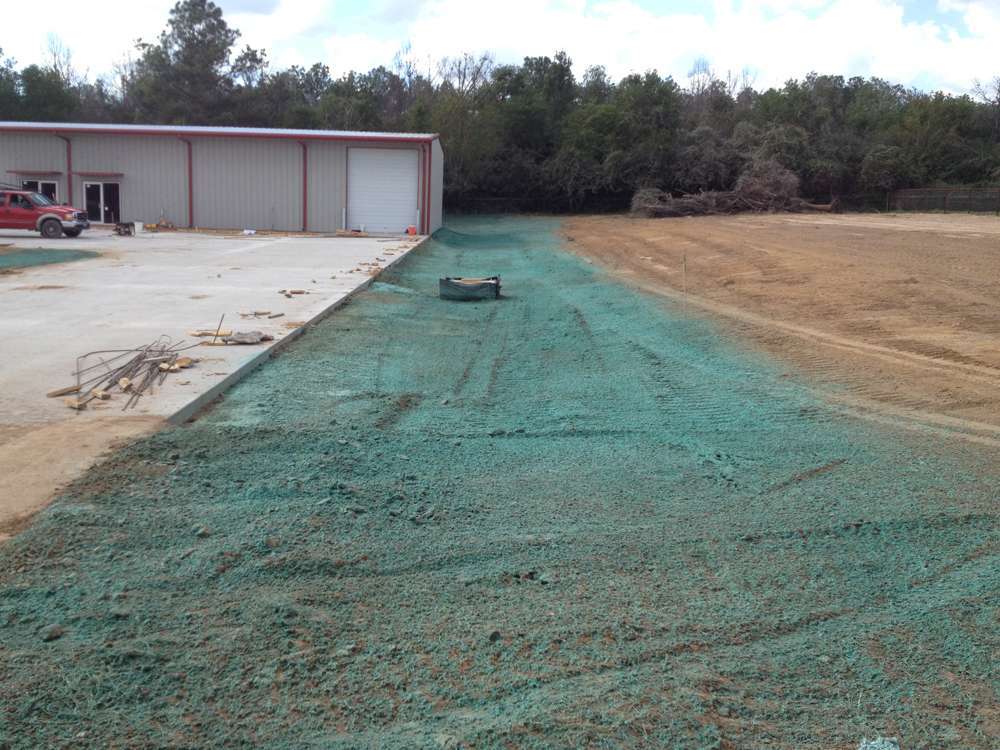
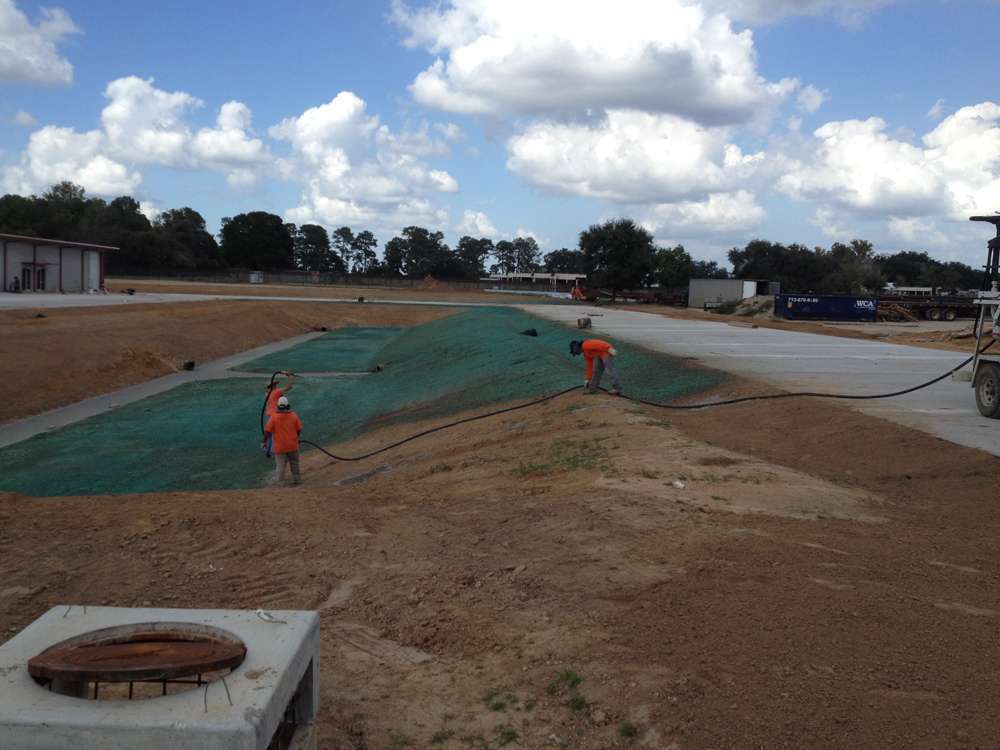
After the dirt is placed on your pad, or around your pond, or as your drainage berm or swale—what will keep it there until grass roots hold it in place? If the grass doesn't stay, the dirt will wash away.
Erosion Control & Prevention in Houston, TX
After the dirt is placed on your pad, or around your pond, or as your drainage berm or swale—what will keep it there until grass roots hold it in place? If the grass doesn't stay, the dirt will wash away.
- 33 years in businessSoutheast Texas since the start
- 1,000's of projectsResidential and commercial
- Fully insuredCertificate available on request
- Free on-site estimatesPriced from your actual property
- 11 counties servedHarris · Montgomery · Waller · Washington · Fort Bend and beyond
How much does erosion control cost?
There is no flat rate for erosion control. What is actually washing out, which treatment method fits, and how much area or linear footage needs it are what move the number. Below is what actually swings a quote — we walk the site and put a firm number in writing at no charge.
What moves the price
- What's actually washing out
- A slope, a ditch, a driveway, a bank, a shoreline, a yard, or a pipe outlet are six different jobs. The cause and the water source behind the erosion change which treatment fits.
- Which treatment method fits
- Seeding and hydroseeding, silt fence, erosion blankets and fabric, riprap, rock check dams, and gabion baskets are priced differently — some by the linear foot, some by the square foot or acre, depending on the material and the area it covers.
- How much area or length needs treatment
- The treatment limits — how many linear feet of bank or how many square feet of slope — are the base number the rest of the quote is built on.
- Slope and existing soil condition
- A steep slope or already-saturated soil needs a different anchoring approach than a gentle grade, and that changes both the material and the labor.
- Repair, prevention, or compliance
- Fixing an active washout, preventing one before it starts, and installing site BMPs to meet a permit requirement are three different scopes even on the same piece of ground.
- Site access
- Getting equipment and material to the eroded area matters — wet ground or tight access can add cost that isn't visible until the site is walked.
Tell us what is washing out and where, and we will come identify the cause. The estimate is free and the number comes to you in writing before any equipment rolls.
Get my free estimateBroadcast & HydroSeeding
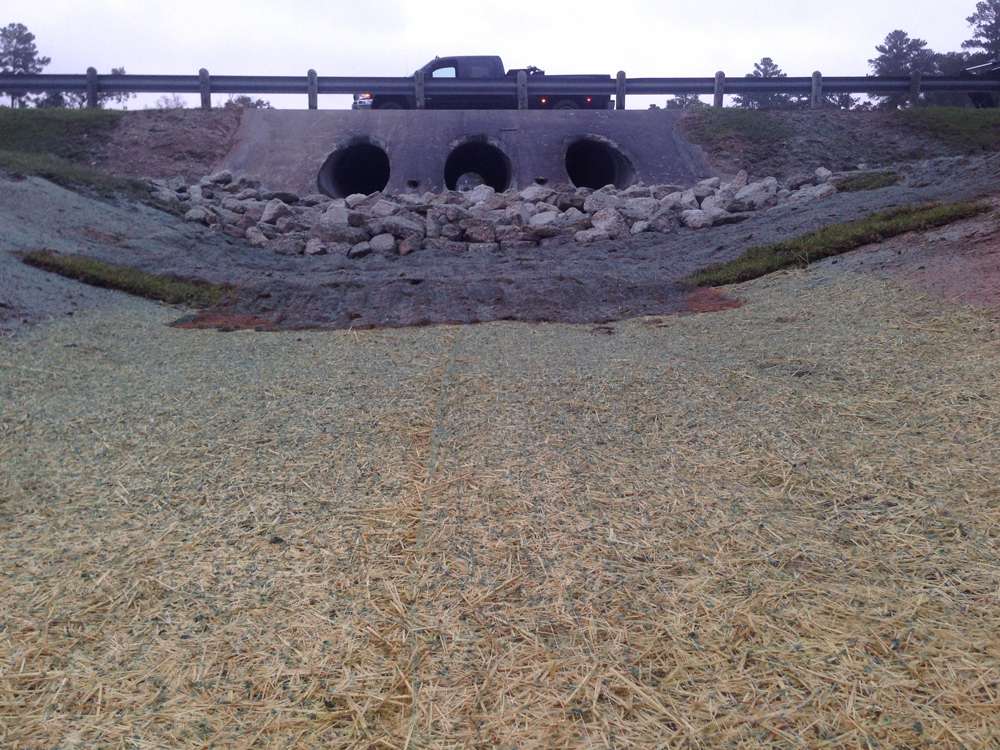
Broadcast scattering seed by hand or mechanically is the simplest method. Hydroseeding uses a slurry of seed and mulch sprayed onto the soil, ideal for large areas and slopes. It is the fastest, highest quality method for establishing vegetation on construction areas.
- Simple, fast broadcast seeding for standard areas
- Hydroseeding slurry for large areas and slopes
- Fastest, highest quality method for construction areas
- Ideal for slopes that are difficult to plant
Silt Fence
A silt fence is a temporary sediment control device made from porous fabric. It protects water quality by allowing water to flow through while preventing up to 80% of water-borne particles from escaping the site. Silt fence is installed with 6 inches buried below the ground surface for stability.
- Prevents up to 80% of water-borne particles from escaping
- Installed with 6 inches buried below ground surface
- Protects streams, rivers, and lakes from sediment
- Required for construction sites near water bodies
Erosion Blankets & Rip-Rap
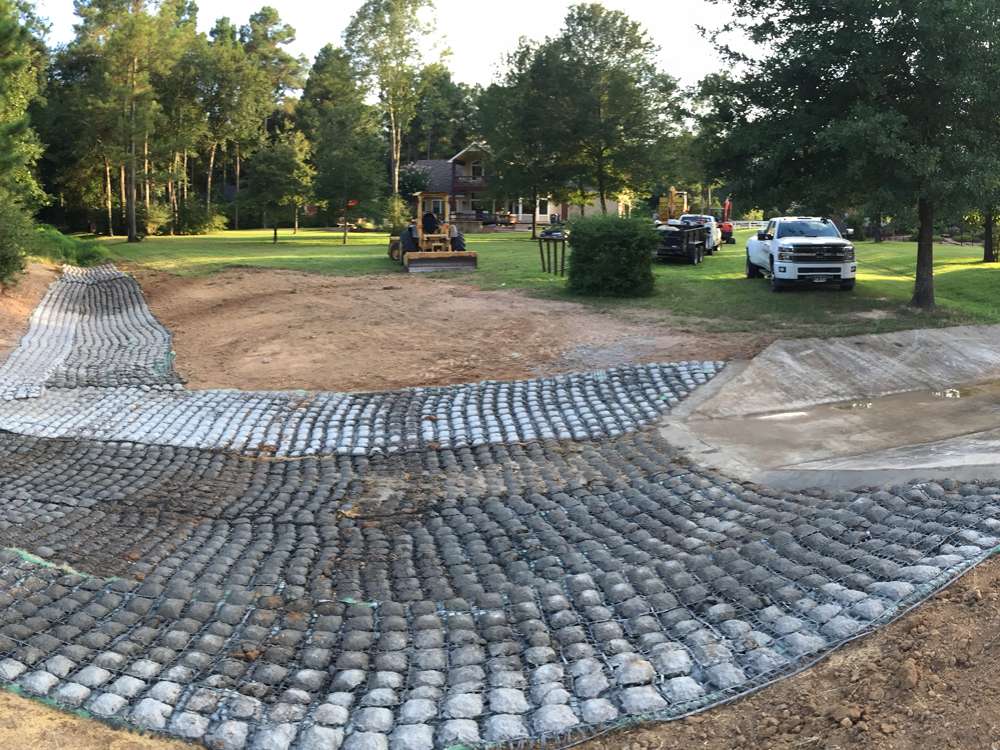
Synthetic or natural fiber erosion blankets protect soil from heavy rain and retain moisture to facilitate vegetation. Stray blankets handle high water flow and steeper slopes. For longer-term solutions, geo-textiles and rip-rap use high-strength fabrics laid beneath rocks or stones to permanently stabilize areas.
- Erosion control blankets retain moisture and facilitate vegetation
- Stray blankets for high water flow and steeper slopes
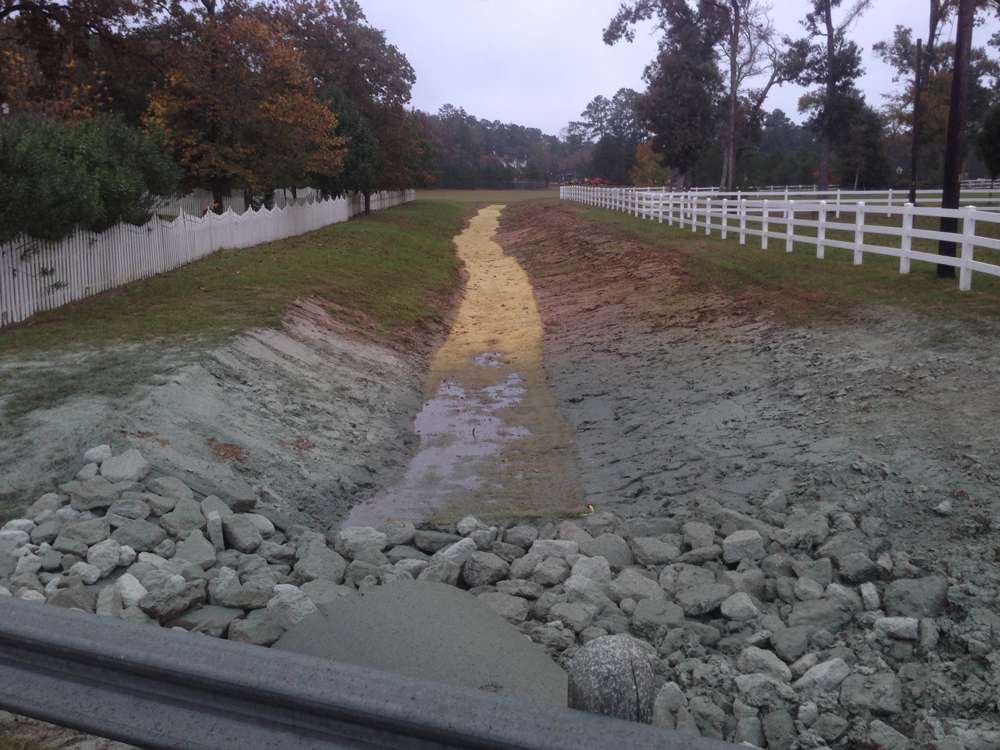
- Geo-textiles and rip-rap for long-term erosion control
- High-strength fabrics laid beneath rocks or stones
Sinkhole Repair
Sinkholes form when soil collapses into large holes, usually caused by poorly compacted soil, buried debris, or rotting tree stumps. Daniel Dean determines the severity, cleans out loose debris, compacts layers of select fill material, and recovers the area with grass.
- Determine severity and clean out loose debris
- Compact layers of select fill material
- Recover with grass or organic topsoil
- Prevent recurrence with proper compaction
Erosion control questions we get asked
Erosion control covers broadcast seeding and hydroseeding, silt fence installation, erosion blankets and fabric, riprap, rock check dams, gabion baskets, slope and bank stabilization, shoreline erosion control, drainage outlet protection, and sinkhole repair. Which of these applies depends on what is actually washing out and why — a bare slope after grading needs a different fix than an eroding pond bank or a sinkhole in a yard.
Before work starts
Sites disturbing an acre or more are covered by the state construction stormwater permit, so the controls described here are a compliance requirement as much as a drainage decision. You can read the current rules straight from TCEQ construction stormwater permit, and we confirm what applies to your property during the site visit rather than guessing at it from an address.
If you are weighing us against another contractor, the work our customers describe is a better read on what we are like to deal with than anything we could write here.
Worth reading before you hire
Guides on this work
What it costs, how it is done, and what to ask before hiring.
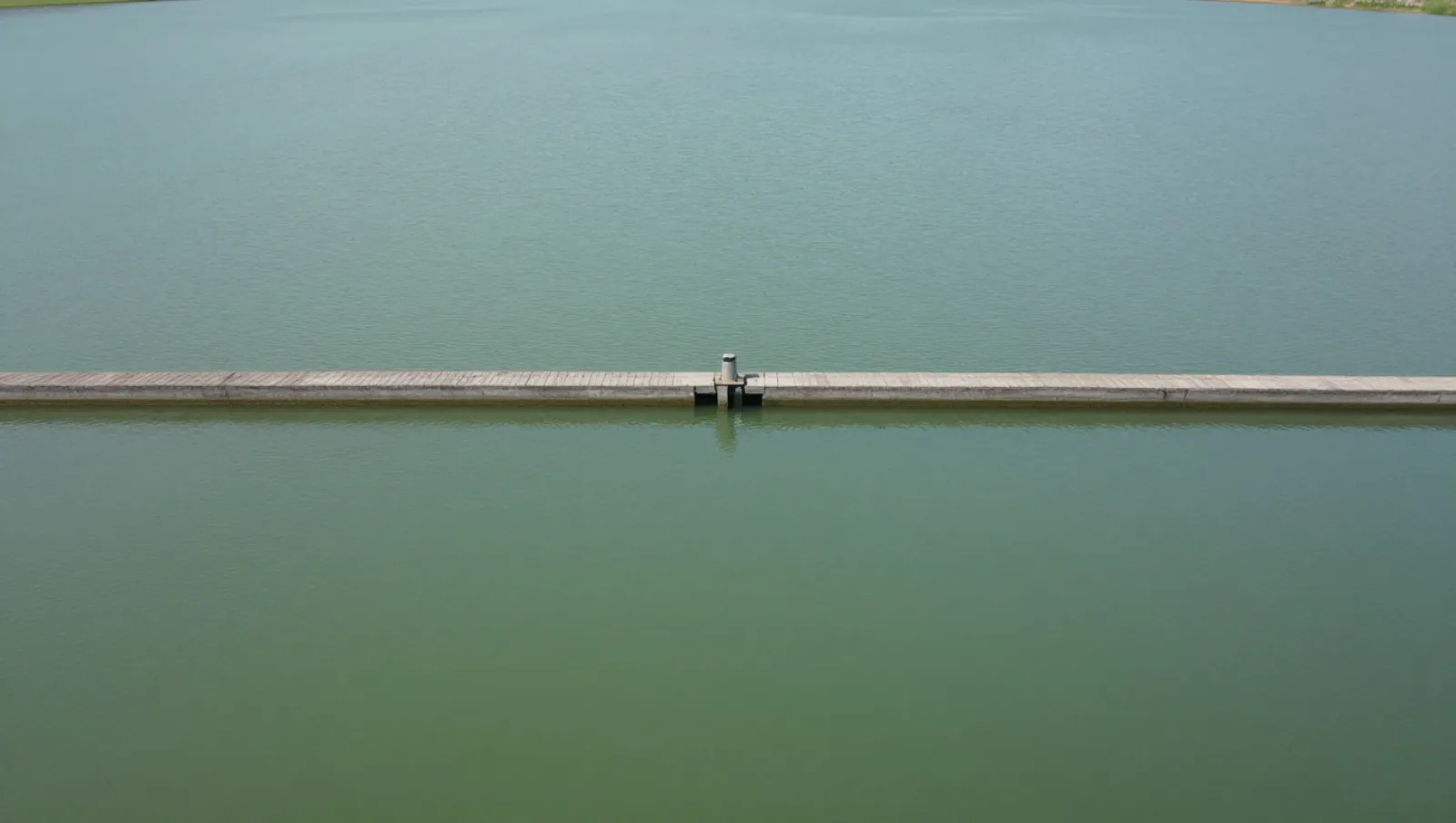
Durable Pond Edges Ideas: Preventing Texas Shoreline Erosion
Erosion Control Services for Rural Landowners in Texas
Pond Erosion Control: Best Practices for Sustainable Landscaping
Professional Excavation and Erosion Control: Protect Your Land
Riprap for Erosion Control: Land Clearing & Site Prep Basics
Sediment Control and How to Stop Soil Loss Before It Gets Worse
Ready to Transform Your Property?
Get an estimate for your land clearing, dirt work, or property development project. We serve Houston and surrounding areas.