
Standing Water in Houston, TX
Standing water isn't just an eyesore—it damages your lawn, threatens your foundation, and creates health hazards. Learn what causes it and how we give the water somewhere else to go.
Get Free Estimate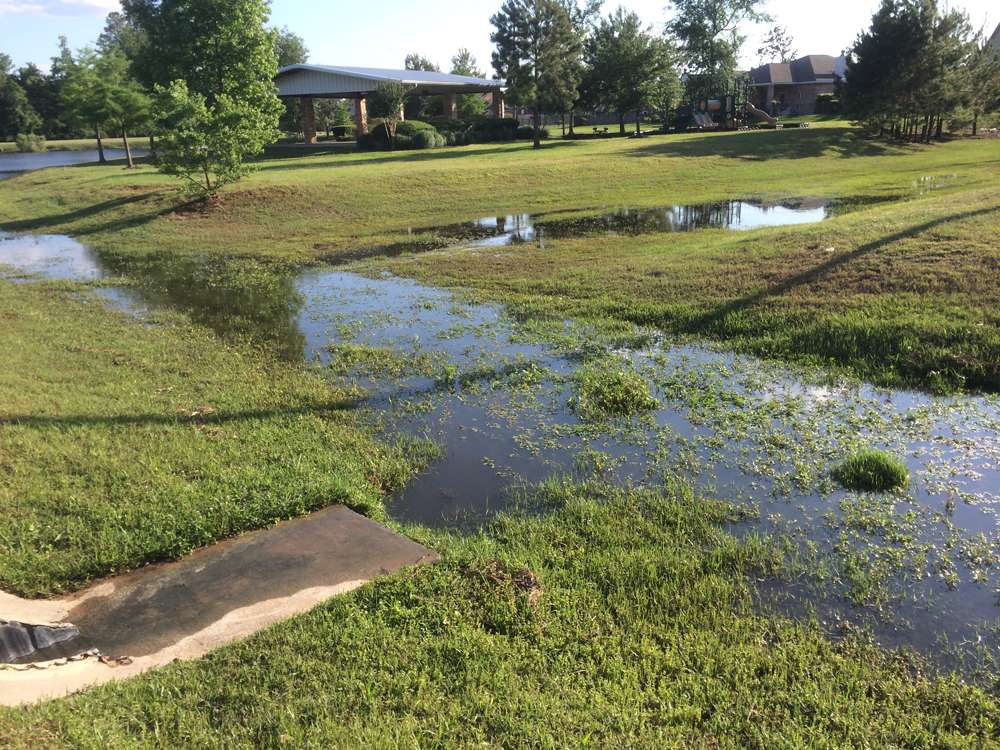
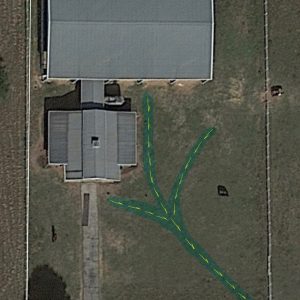
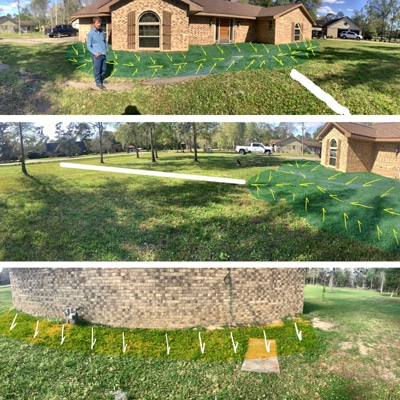
Surface vs. Subsurface Drainage
There are two main types of drainage systems, and the right solution depends on your specific situation.
Surface Drainage
Removes excess water from the land surface through grading, swales, and open channels. Best for redirecting rainwater before it saturates the soil.
Subsurface Drainage
Removes water from root zones using buried pipes and French drains. Essential for areas with high water tables or clay soils that don't drain naturally.
Problems Caused by Standing Water
Standing water isn't just inconvenient—it poses real risks to your health and property.
Lawn Damage
Grass suffers from root rot while moss thrives in wet conditions.
Foundation Issues
Water seeping near foundations causes mold growth and structural cracks.
Mosquito Breeding
Standing water is a breeding ground for mosquitoes carrying diseases.
Disease Risk
Mosquitoes can carry Zika virus, West Nile virus, and other diseases.
Bacteria Growth
Bacteria thrive in moist environments, posing health risks.
Soil Compaction
Walking on wet lawns compacts soil, worsening drainage over time.
What Causes Standing Water?
Understanding the cause is the first step to finding the right solution.
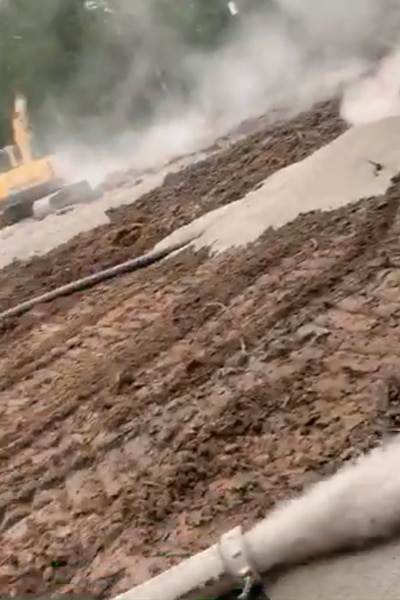
1. Poor Grading Around Home
Terrain should slope at least 6 inches over 10 feet away from your foundation. Without proper slope, water pools against your home instead of draining away.
2. Bad Subsoils (Clay)
Clay soil packs tightly and resists water penetration, causing very slow drainage. A simple squeeze test can reveal your soil type.
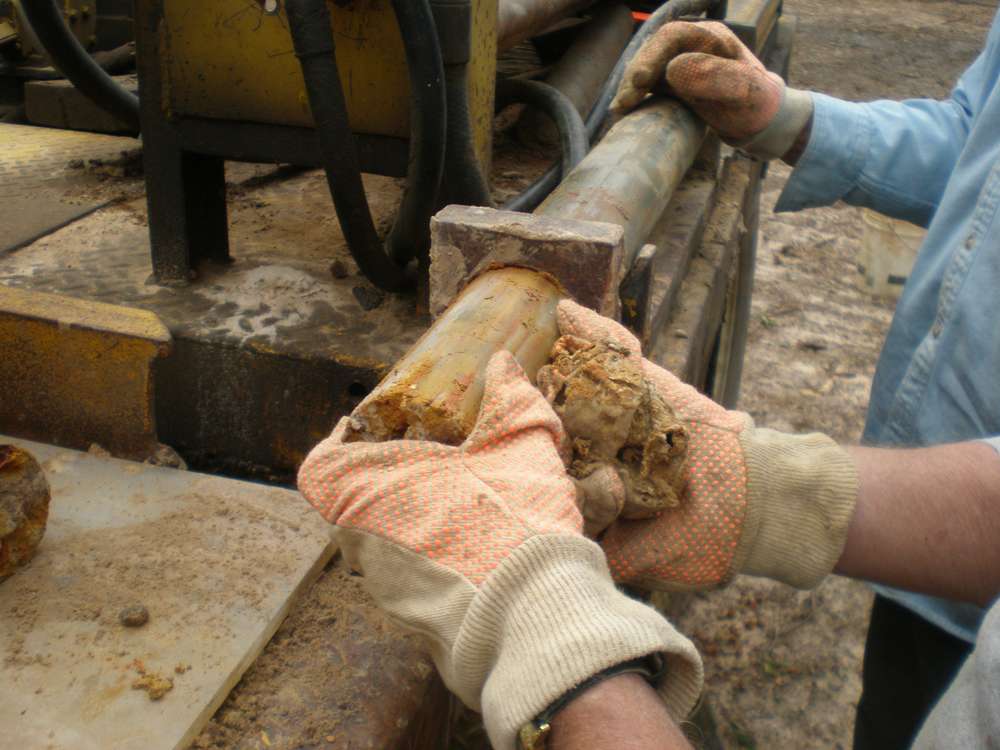
3. Hardpan Layer
A compacted soil layer beneath the surface prevents water from penetrating deeper into the ground.
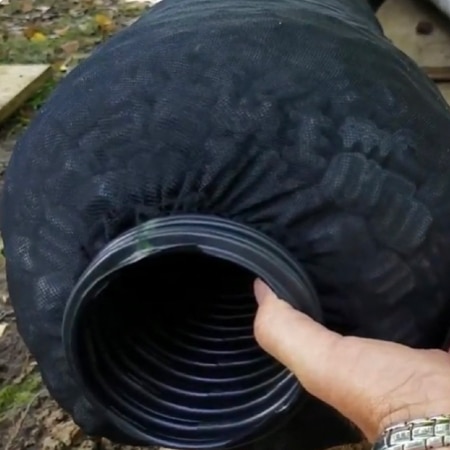
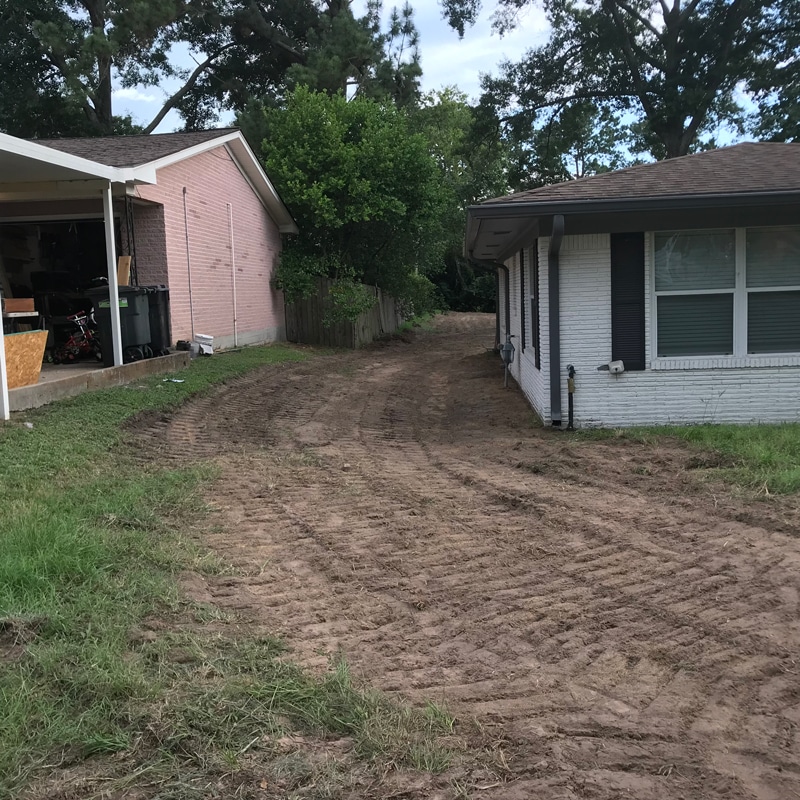
4. Low Spots in Yard
Properties at the bottom of hills or with uneven terrain collect water in low areas with nowhere to drain.
5. High Water Table
Properties near lakes or rivers may have naturally high water tables. Poor soils can also create "false" high water tables.
6. Runoff from Paved Surfaces
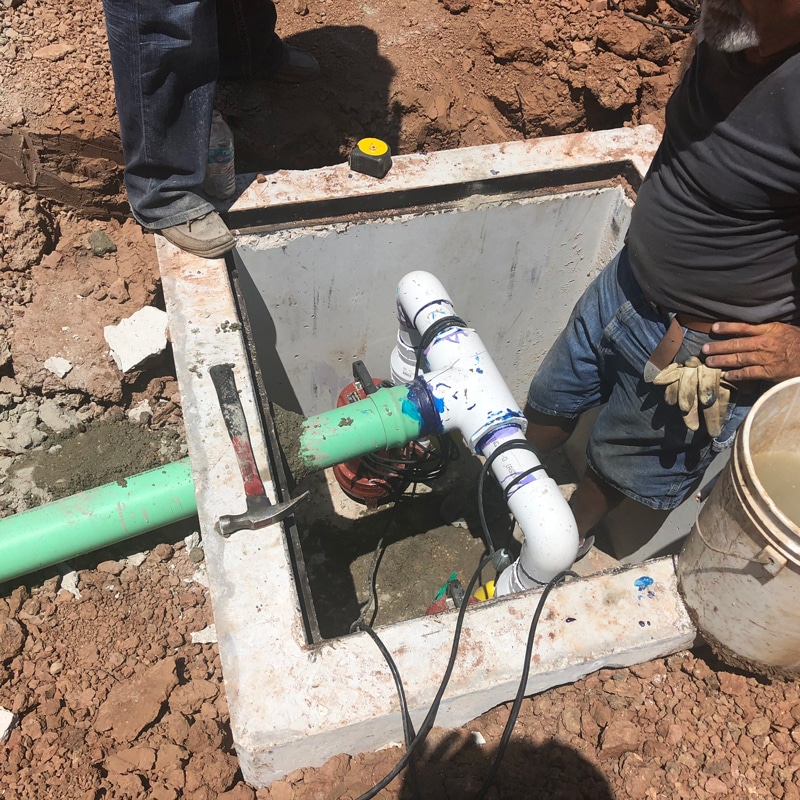
Driveways, parking lots, and rooftops prevent water absorption, directing large volumes toward your yard.
Professional Drainage Solutions
With 33 years of experience, we provide proven solutions that work for Houston's unique soil and climate conditions.
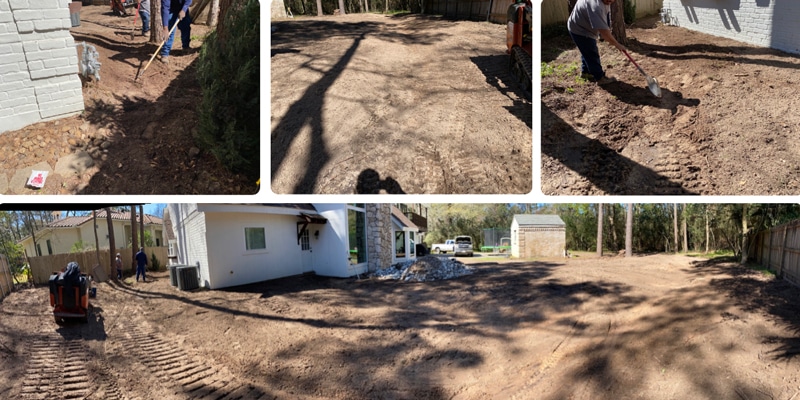
Professional Grading
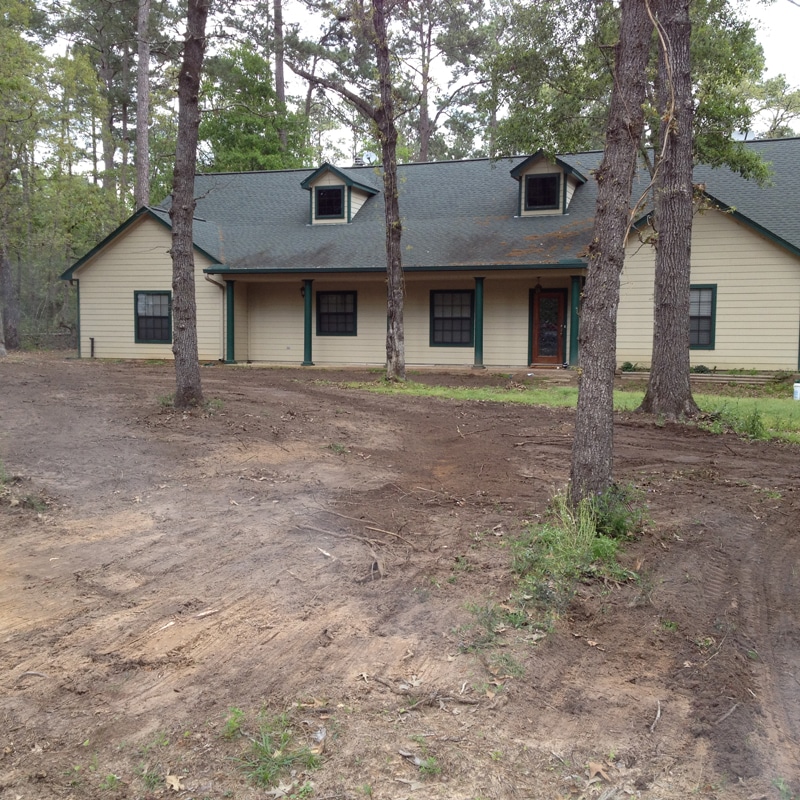
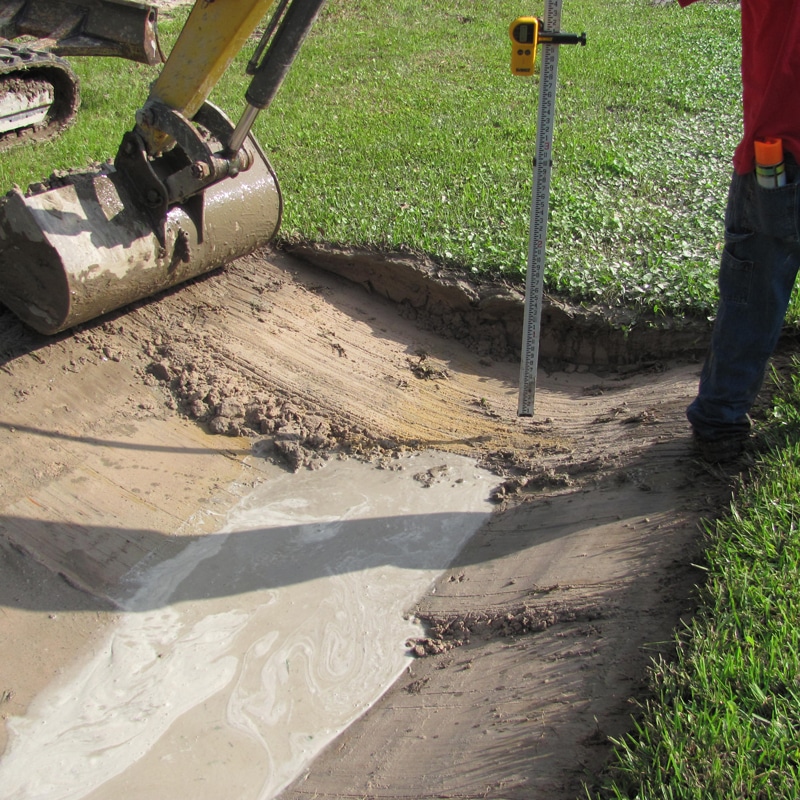
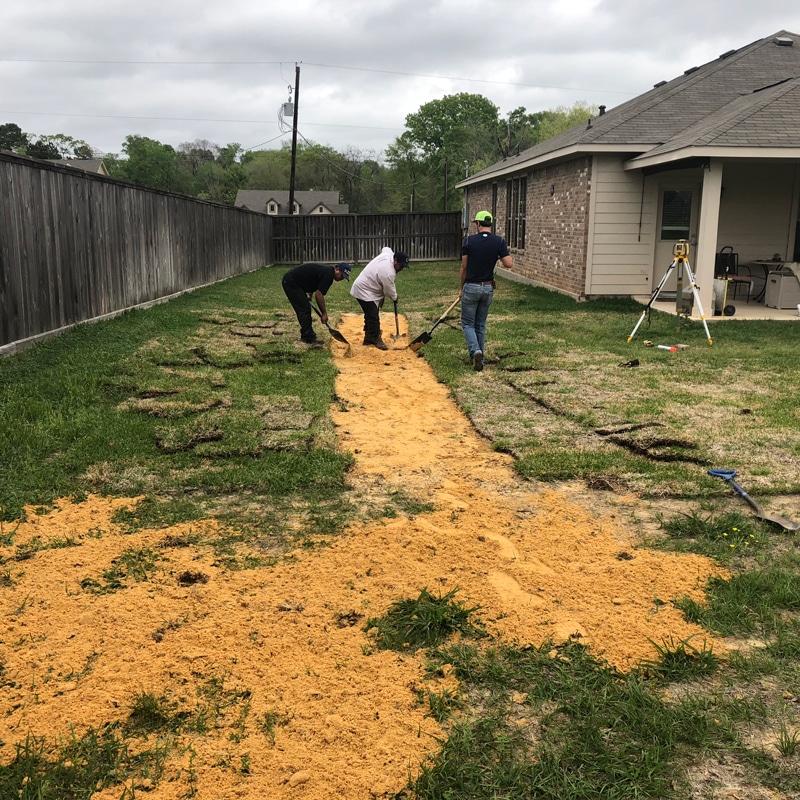
Proper grading is the foundation of any drainage solution. We survey your property, check for buried utilities, remove topsoil, grade to correct slope, and finish with grass seed.
- Professional survey to establish correct slopes
- Check for buried utilities before work begins
- Remove topsoil, grade subsoil, replace topsoil
- Ditches may need periodic regrading
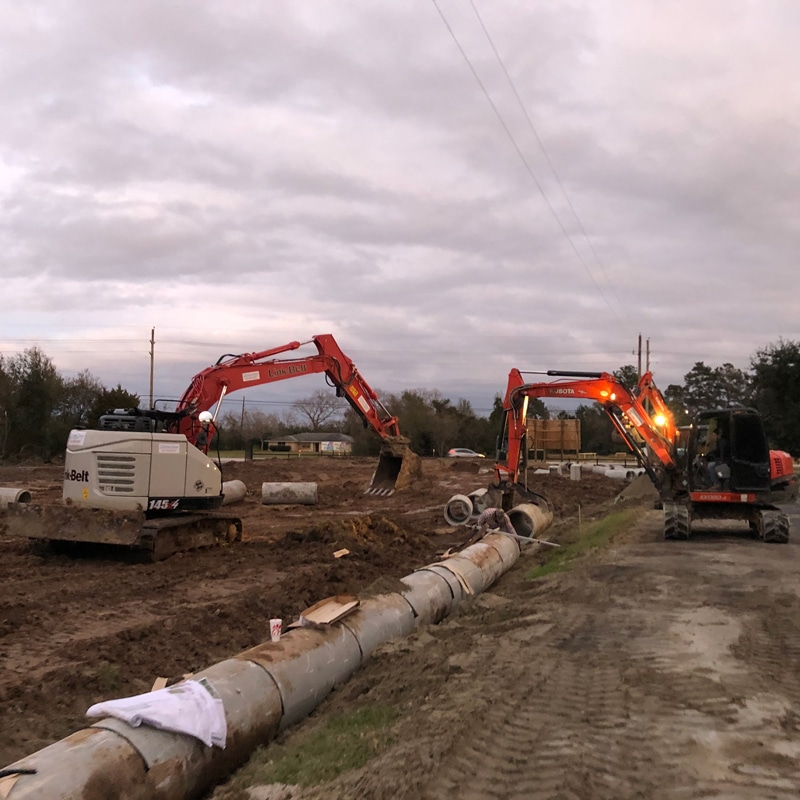
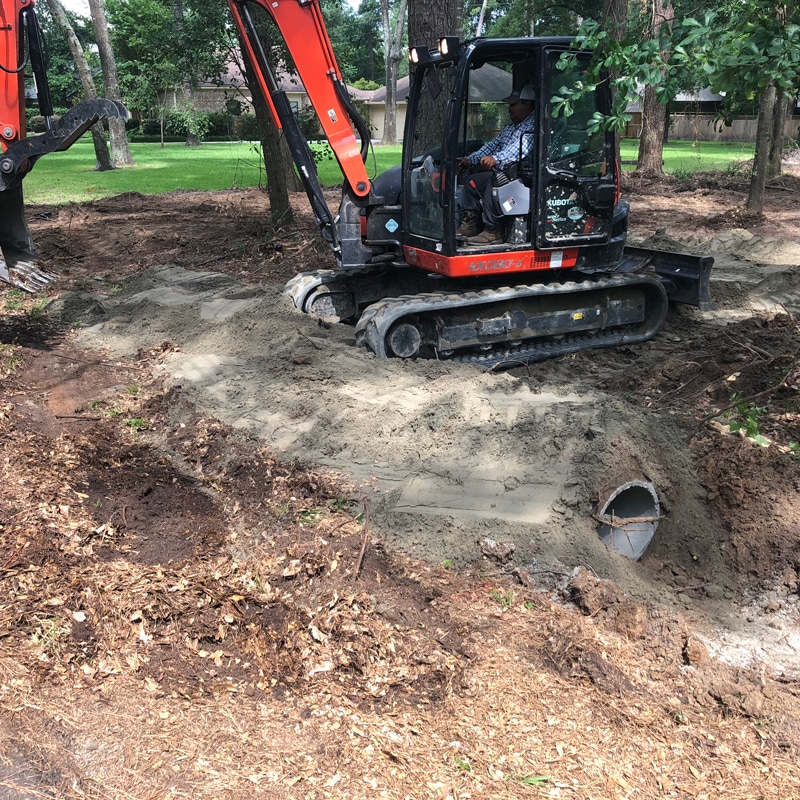
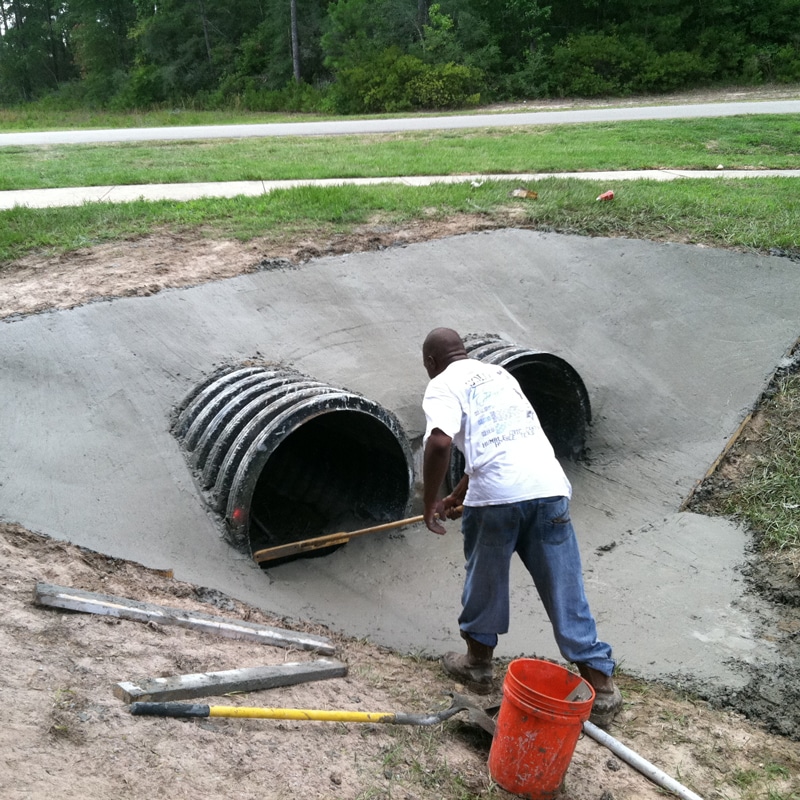
Culvert Installation
Culverts allow water to flow under driveways and roads. Proper installation is critical for long-term performance.
- Use 18-inch corrugated metal pipe (CMP) or HDPE
- Minimum 18 inches compacted cover over pipe
- Multiple culverts placed 1-2 feet apart for high flow
- Riprap or concrete rubble for scour protection
Swale Construction
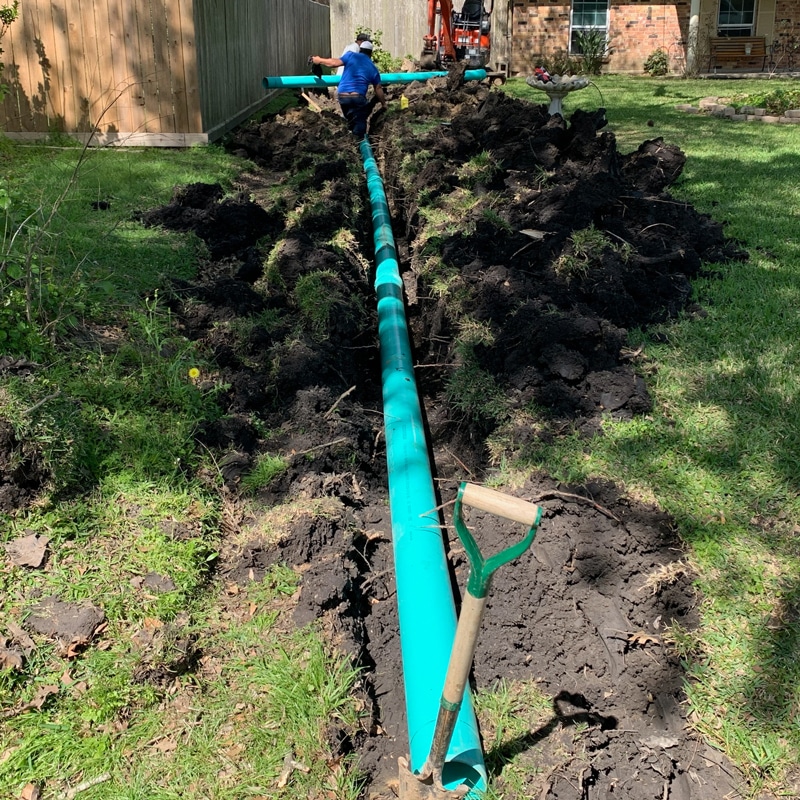
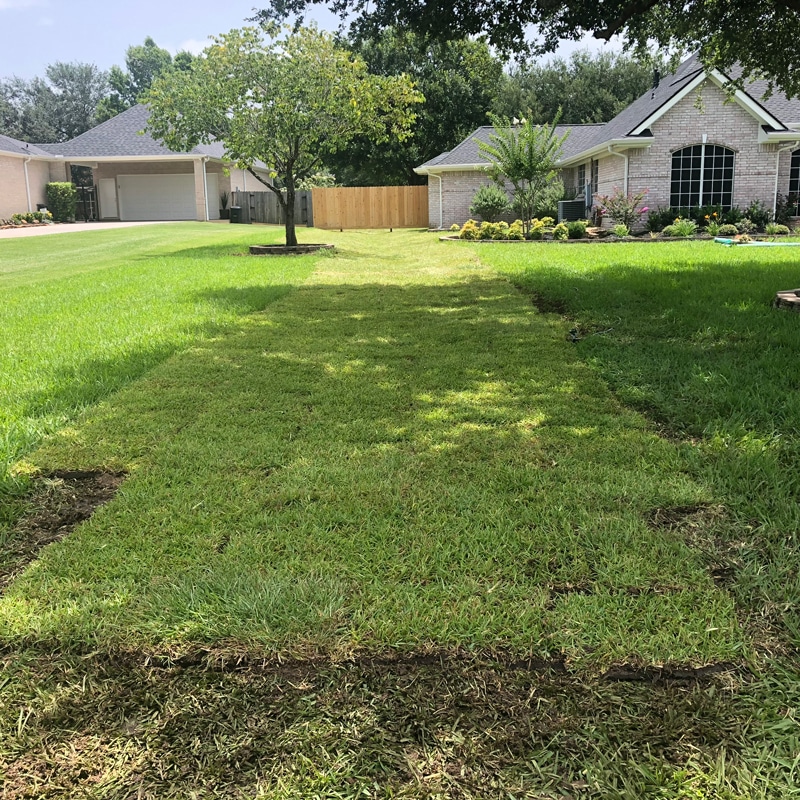
Swales are gentle-sloped, grass-bottomed ditches that channel rainwater away from problem areas naturally.
- Minimum slope of 1 inch per 10 feet of length
- Sides should flare 3-4 times wider than height
- Can include gravel layers and perforated drain tile
- Top 8 inches must drain well
Simple Soil Test
Squeeze a handful of moist soil in your hand. If it holds its shape and feels slick, you have clay soil that needs special drainage consideration.
Clay soil is common in the Houston area and requires professional drainage solutions designed specifically for slow-draining conditions.
Ready to Solve Your Drainage Problems?
Daniel Dean has been correcting drainage across the Houston area for 33 years. Tell us where the water sits and we will walk the property and put a fix in writing, at no charge.
Get Your Free Estimate
Ready to Transform Your Property?
Get an estimate for your land clearing, dirt work, or property development project. We serve Houston and surrounding areas.