Can your building site handle heavy rain without turning into a flooded mess? Dirt work for new construction in Pearland, TX plays a critical role in preventing costly water damage before a single foundation is poured.
Many builders underestimate how fast water can destroy a property, yet even a small amount of indoor flooding can lead to tens of thousands of dollars in repairs. With a large portion of Pearland located in high-risk flood zones, poor grading and weak site preparation continue to cause serious issues across both residential and commercial builds.
The problem starts at the dirt construction site level. Without proper construction dirt work, water has nowhere to go and begins to pool around structures, weakening foundations over time. In this blog post, we will talk about the most effective dirt work solutions that help control drainage, protect your investment, and ensure your project meets local flood requirements.
Why Pearland Clay Soil Makes Proper Grading Critical Before Construction
Pearland’s soil composition presents unique challenges that separate successful projects from disaster-prone ones. The area sits atop dense, heavy clay with poor drainage characteristics and minimal permeability, typically found between 8 to 20 feet deep.
Key Soil Challenges in Pearland:
- Heavy clay composition slows water movement through soil during rainfall events
- Flat natural terrain (drops only a few feet per mile) compounds drainage problems
- Saturation causes swelling; drying produces shrinkage and cracking (differential settlement)
- Foundation stress develops from soil movement that conventional methods don’t anticipate
- Requires higher compaction standards than sandy or loamy soils found elsewhere in Texas
When heavy precipitation hits Pearland, clay acts like a water-retention barrier. Ponding around foundations becomes inevitable without strategic dirt work and elevation planning. Proper compaction and strategic grading become the defense against these soil behaviors, making the construction dirt work process critical for Pearland builds.
Dirt Work Process for New Construction: Cut, Fill, Compaction, and Slope
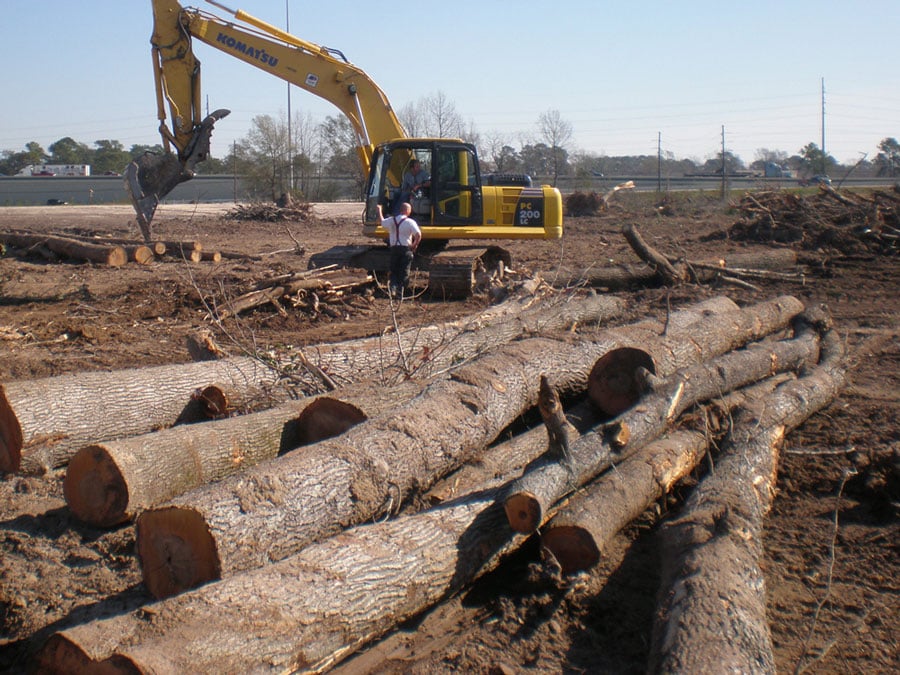
The modern dirt work for new construction process follows four interconnected stages that builders must execute in proper sequence. Understanding each stage helps property owners ensure their contractor is protecting the site correctly.
Cutting and Removal
The cut phase involves removing topsoil and unsuitable material down to a stable bearing layer. Pearland construction sites typically remove between 2 to 4 feet of organic material, depending on previous land use. This material must go to an approved disposal location; contractors cannot simply move it to another part of the property without engineering oversight.
Fill and Elevation
Once cuts are made, fill material gets placed in engineered lifts of 8-inch layers. Each lift must be compacted to specifications before the next layer. For Pearland builds, elevation gain becomes critical for flood mitigation. Raising finished grades 2-3 feet above 100-year flood elevation provides substantial protection, with some commercial projects raising grades 4-5 feet for additional safety margins.
Compaction Standards
Compaction density directly impacts soil’s resistance to water saturation. In Pearland, specifications typically demand 95 to 98 percent of maximum dry density using the Standard Proctor Test. This is the difference between soil that remains stable during heavy rain and soil that becomes unstable.
Grading and Slope Creation
Final grading establishes drainage patterns that control water movement. Slope requirements typically fall between 1 to 2 percent grade away from structures. For Pearland properties, even steeper slopes may be necessary on challenging sites. Proper slope prevents water from ponding near the building foundation, channeling it toward designated drainage areas instead.
When preparing large acreage sites, comprehensive excavation planning becomes essential. Professional contractors use advanced equipment and strategic planning to manage large-scale dirt work while maintaining slope integrity across the entire property.
Pearland Flood Zone Rules and Grading Permits Builders Must Know
Pearland’s location in Harris County places most properties in areas designated by FEMA as having significant flood risk. The city has adopted stringent building codes that exceed minimum federal standards, reflecting past flooding experiences.
Permit Requirements
Every dirt construction site in Pearland that moves more than 5,000 cubic yards of material must prepare a Stormwater Pollution Prevention Plan. Projects that cover more than one acre must also submit detailed erosion control plans. These requirements support effective dirt work solutions by reducing soil runoff and improving water management across the site.
Grading permits are another key part of dirt work for new construction. Engineers must certify that final elevations meet local flood standards, which usually require structures to sit about two feet above base flood levels for residential builds and higher for critical facilities. Accurate elevation reporting is essential. Errors or false certifications can lead to serious legal consequences and long-term liability.
Following these standards ensures that construction dirt work meets safety expectations while protecting both the structure and surrounding properties from drainage problems.
Elevation Certificate Requirements
Elevation certificates play a critical role in dirt work for new construction, especially in flood-prone areas like Pearland. Before a certificate of occupancy is issued, properties located in high-risk flood zones must submit a completed elevation certificate that verifies the structure meets required flood elevation standards.
A licensed land surveyor, professional engineer, or certified architect must complete, sign, and stamp this document using the official FEMA Form 086-0-33. Every field must be filled out accurately to reflect the final conditions of the dirt construction site after grading and foundation work are complete.
The certificate must document several key elevation points, including:
- Lowest floor elevation, including basement, in relation to Base Flood Elevation
- Lowest and highest adjacent ground levels around the structure
- Elevation of structural components in coastal zones
- Height of essential machinery and equipment
- Garage slab elevation when applicable
All elevation data must align with current flood maps and be recorded to precise measurement standards. These details confirm that the construction dirt work meets compliance and supports proper drainage planning.
The purpose of this certificate goes beyond paperwork. It determines flood insurance costs, verifies compliance with national flood regulations, and supports future property adjustments if needed. Missing or incorrect documentation can delay occupancy approval and may result in denied insurance claims during flooding events.
Accurate grading and reliable dirt work solutions ensure that elevation requirements are met from the start, reducing risk and protecting long-term property value.
Stormwater Management
Pearland’s municipal code requires on-site stormwater detention for most new construction. This means creating structures that slow water movement and allow infiltration. Proper dirt work grading directly supports these systems by directing water to retention areas.
Before vegetation removal or tree clearing on construction sites, understanding how strategic land preparation prevents water damage is essential. Proper site clearing and preparation ensures drainage pathways remain functional and vegetation doesn’t interfere with grading effectiveness.
How to Check Fill Material and Compaction Standards for Pearland Builds
Property owners typically can’t perform soil testing themselves, but understanding what to request from contractors prevents costly mistakes. Legitimate dirt work solutions include documented quality assurance testing at predictable intervals.
Quality Assurance Checklist for Fill Material and Compaction
| Requirement | What to Look For | Why It Matters |
| Material Verification | Engineer-approved letter for all fill sources before arrival | Prevents hazardous materials and ensures proper soil composition |
| Testing Frequency | One test per 1,000 sq ft of fill, minimum every 2,000 cubic yards | Confirms compaction meets specifications across entire project |
| Test Methods | Nuclear density gauges or sand-cone methods documented | Provides accurate, defensible proof of compaction compliance |
| Documentation | Test reports showing location, depth, density, and pass/fail status | Protects you during flood events and insurance claims |
| Engineer Certification | Licensed geotechnical engineer sign-off on all results | Establishes professional accountability and legal standing |
Maintain a folder of all test results, engineer certifications, and grading plans before occupancy. These documents protect you if flooding occurs, they demonstrate that the construction dirt work meets code requirements and engineering standards. Insurance companies and FEMA investigators request these records immediately after flood events.
Real Pearland Dirt Work Projects That Prevented Flooding Issues
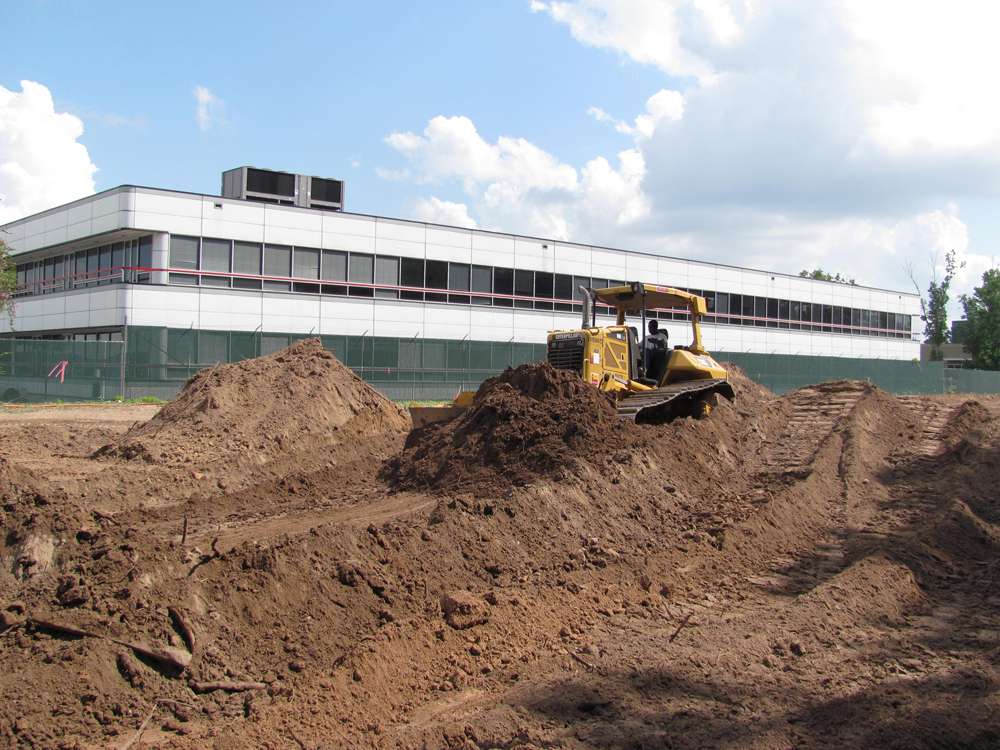
Our experience at Daniel Dean Land Clearing shows how the right approach to dirt work for new construction can prevent serious flooding problems and protect long-term property value.
- Commercial Development in South Pearland – We raised the finished grade well above the projected flood level, going beyond the original engineering plan. This dirt construction site stayed dry during heavy rainfall, while nearby properties experienced water intrusion. The added elevation required a higher upfront investment, but it helped avoid major repair costs later.
- Residential Subdivision in Silverlake – Our team applied strict quality control throughout the construction dirt work process, including precise grading and consistent compaction. During extreme rainfall events, homes built on these properly prepared pads remained flood-free. Properties nearby without the same level of dirt work solutions faced drainage issues and structural concerns.
- Mixed-Use Development Project – We increased pad elevation and improved on-site drainage after evaluating the site conditions. While this adjustment added to initial costs, it significantly reduced the risk of future flood damage. This project shows how strategic dirt work for new construction protects both the structure and the investment.
FAQs
What is dirt used for in construction?
Dirt is used to level land, build stable foundations, and control drainage on a dirt construction site. Proper dirt work for new construction ensures structures remain secure and protected from water damage.
What type of dirt is used in construction?
Common materials include clay, sandy clay, and engineered fill selected for strength and drainage performance. The right choice supports effective construction dirt work and long-term stability.
What are the 7 stages of construction?
The typical stages include planning, design, site preparation, foundation work, structural construction, systems installation, and final finishing. Dirt work solutions are critical during site preparation to ensure a stable build.
Final Thoughts on Dirt Work For New Construction In Pearland, TX
Successful building in Pearland starts long before construction begins. Proper dirt work for new construction controls water flow, stabilizes soil, and ensures your project meets strict flood and grading requirements. From understanding clay soil behavior to following correct compaction and elevation standards, every step we take plays a role in protecting your investment.
Ignoring these steps can lead to drainage issues, foundation damage, and costly repairs that could have been avoided with the right preparation. Working with our experienced team ensures your construction dirt work is done right the first time, using proven dirt work solutions tailored to Pearland conditions.
If you are planning a project, now is the time to act. Contact us at Daniel Dean Land Clearing to discuss your site preparation needs. Visit our Contact Page | Daniel Dean Land Clearing to get expert guidance and start your project with confidence.