Have you considered how dirt work excavation affects the long term stability of your property? Many property owners overlook how proper dirt work excavation and professional excavation shape drainage, soil strength, and overall land performance. Without the right dirt work solutions, small grading issues can turn into serious structural problems.
Across the United States, homeowners often spend thousands on foundation repairs that could have been prevented with proper excavation work and site preparation. Poor drainage and unmanaged erosion remain leading causes of soil movement and foundation damage. On the other hand, well-planned grading and erosion control can significantly increase property value, sometimes adding up to fifteen percent in resale potential.
The challenge is knowing when to act and choosing experienced site excavation contractors who understand how to protect your land. In this blog post, you will learn how professional excavation and erosion control work together to prevent damage and safeguard your investment.
Professional Excavation and Erosion Control: Why It Matters for Long-Term Property Protection
Erosion gradually removes topsoil, weakens ground stability, and disrupts drainage patterns. Over time, this process can damage foundations, roads, driveways, and landscaping. Professional excavation addresses these issues at their source by reshaping the land to control water flow and reinforce soil structure.
Dirt work excavation goes beyond simple grading. It involves strategic planning, soil analysis, and proper equipment use to ensure that water drains away from critical areas. This prevents pooling, runoff damage, and soil displacement.
Long-term property protection depends on three key outcomes:
- Controlled water movement across the site
- Stable and compacted soil that resists shifting
- Proper elevation and grading to prevent future issues
Without these elements, even well-built structures can fail over time. Professional excavation ensures that the groundwork supports everything built on top of it.
Common Causes of Erosion That Professional Excavation Solves
Erosion rarely starts as a major problem. It often begins with subtle drainage or grading issues that gradually worsen over time. Without proper dirt work excavation, these small flaws allow water to move unpredictably across your property, weakening soil structure and creating long-term damage.
Professional excavation identifies these early warning signs and applies targeted dirt work solutions to control water flow and stabilize the land before costly repairs become necessary. Experienced site excavation contractors evaluate both surface conditions and subsurface soil behavior to ensure excavation work addresses the root cause, not just the visible symptoms.
| Cause | What Happens on Site | Long-Term Impact | How Professional Excavation Solves It |
| Poor drainage systems | Water pools or flows randomly across the property | Soil erosion, foundation weakening, standing water issues | Installs proper drainage systems like swales and French drains to control flow |
| Improper grading | Land slopes toward structures instead of away | Water intrusion, foundation damage, uneven ground settling | Reshapes land with precision grading to direct water safely away |
| Exposed soil surfaces | Bare soil gets hit directly by rain and runoff | Rapid soil loss and surface degradation | Adds stabilization through compaction, seeding, or protective layers |
| Heavy rainfall and stormwater flow | High water volume moves quickly across slopes | Deep erosion channels and land displacement | Creates controlled channels and retention areas to manage runoff |
| Compacted or low-quality soil | Soil resists absorption and increases runoff | Surface water buildup and gradual erosion | Improves soil structure and redistributes material for better absorption |
Addressing these causes requires more than surface-level fixes. Professional excavation work combines grading, drainage planning, and soil management to create a stable and balanced environment.
With the right dirt work excavation approach, property owners can prevent erosion before it starts and maintain long-term land integrity. Careful site preparation also reduces unnecessary soil disturbance during clearing. This becomes especially important when starting a project like how to clear brush without damaging plants while protecting soil structure.
How Professional Excavation Techniques Prevent Soil Loss and Drainage Issues
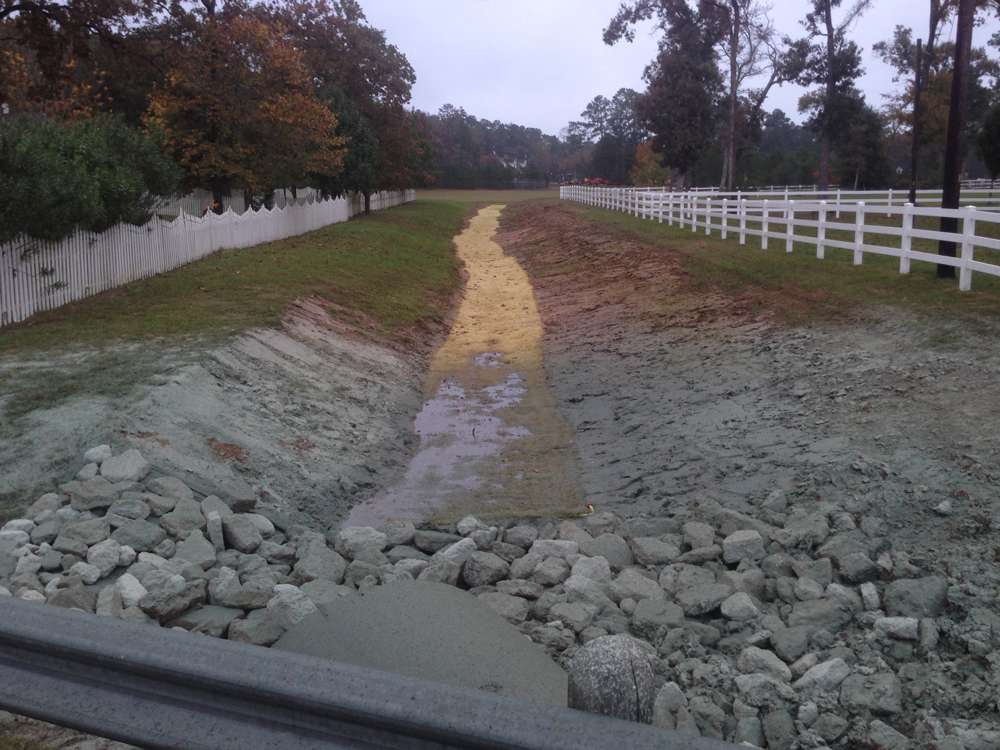
Effective erosion control relies on a combination of proven excavation techniques. These methods focus on managing water flow and strengthening soil stability.
Key techniques include:
- Precision grading
Contractors adjust the slope of the land to guide water toward designated drainage areas. - Soil compaction
Compacting soil increases its density, reducing the likelihood of shifting and erosion. - Drainage system installation
French drains, swales, and culverts redirect water and prevent accumulation. - Trenching and channeling
Controlled pathways allow water to flow without damaging surrounding soil. - Retention features
Berms and basins slow down water movement and reduce erosion impact.
These dirt work solutions work together to create a balanced system where water flows efficiently without causing damage. Professional excavation ensures that each technique fits the specific conditions of the property.
Real-World Applications: Drainage, Grading, and Slope Stabilization
Erosion control becomes most effective when it is applied to real site conditions rather than treated as a general fix. Professional excavation adapts to the layout, soil type, and water behavior of each property. From small residential lots to large rural developments, proper dirt work excavation ensures that the land performs correctly under real environmental pressure. Experienced site excavation contractors design each phase of excavation work to reduce erosion risk while improving long-term usability and safety.
Drainage Improvements
Drainage work focuses on controlling how water moves across and through a property. Without a planned system, water naturally follows the path of least resistance, which often leads to soil loss, pooling near structures, and foundation stress.
Professional excavation corrects these issues by reshaping the land and installing systems that manage runoff effectively. This may include shallow swales that redirect surface water, French drains that move water underground, or culverts that carry flow beneath driveways and access points. Proper grading also works alongside these systems to ensure water never collects in vulnerable areas.
When drainage is done correctly, it reduces long-term maintenance costs and protects both structural and landscape investments.
Grading for Construction Sites
Grading sets the foundation for everything built on a property. Before any construction begins, dirt work excavation establishes the correct elevation, slope direction, and soil compaction needed for stability.
A properly graded site ensures that water flows away from buildings instead of toward them. It also prevents uneven settling that can lead to cracks in foundations, driveways, and slabs. During this stage, contractors may cut high areas, fill low areas, and compact soil in layers to create a solid base.
Good grading also improves construction efficiency. Builders work on a level, predictable surface, which reduces delays and unexpected structural adjustments later in the project.
Slope Stabilization
Sloped properties face some of the highest erosion risks because gravity accelerates water movement. Without stabilization, rainwater can carve channels into the soil and gradually weaken the entire slope.
Site excavation contractors use several techniques to control this process. Terracing breaks a steep slope into smaller, manageable sections that slow water flow. Retaining structures hold soil in place and create level usable areas. Soil reinforcement methods, such as compaction or material blending, improve overall stability.
In many cases, vegetation is also introduced after excavation to further secure the soil. Together, these methods reduce erosion while making sloped land more functional and safe.
Road and Driveway Preparation
Access roads and driveways require more than a cleared path. They need a stable base that can handle repeated weight, weather changes, and water exposure.
Professional excavation builds this foundation by removing weak soil, compacting the subgrade, and shaping the surface for proper drainage. Without these steps, water can collect in low spots, soften the base, and lead to rutting or collapse over time.
A well-prepared driveway or road includes a slight crown or slope that directs water off the surface. Drainage structures may also be added along edges to prevent washouts during heavy rain.
Each of these applications shows how dirt work excavation supports long-term property performance. When executed correctly, professional excavation not only prevents erosion but also strengthens every functional aspect of the land.
Proper planning at this stage often determines how well a property handles water flow and soil movement over time. This is where erosion control services that stabilize soil and manage runoff become essential.
Choosing the Right Professional Excavation Contractor for Erosion Control
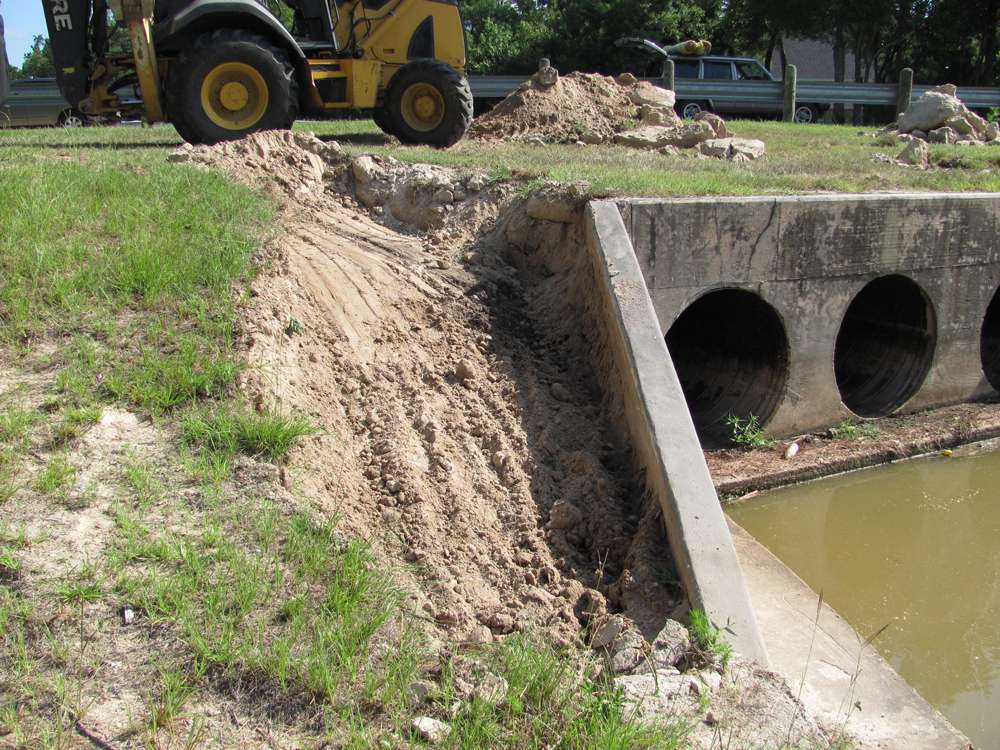
Selecting the right contractor directly affects the long-term success of any erosion control project. Even well-planned dirt work excavation can fail if the execution lacks precision or if the contractor does not understand how soil movement, drainage, and grading interact on a specific property. Professional excavation requires field experience, technical skill, and the ability to adjust methods based on real site conditions. Without that level of expertise, erosion issues often return and lead to higher repair costs over time.
When evaluating site excavation contractors, focus on the qualities that directly impact performance and long-term results:
- Proven experience with erosion control projects involving grading, drainage, and soil stabilization
- Comprehensive dirt work solutions that include excavation work, land preparation, and drainage planning
- Proper equipment and modern technology that improve grading accuracy and efficiency
- Site-specific planning that accounts for slope, soil type, and natural water flow patterns
- Clear communication and transparent project timelines from start to finish
Daniel Dean applies a hands-on approach to professional excavation that focuses on long-term land stability rather than temporary fixes. His dirt work solutions are built around accurate grading, effective drainage design, and excavation work tailored to each property’s unique soil and slope conditions. Each project begins with a detailed understanding of how water moves across the site, then shapes the land to control that flow and reduce erosion at the source.
If you need reliable dirt work excavation done right the first time, Daniel Dean delivers solutions that protect your land and prepare it for lasting use.
FAQs
What are the three types of excavation?
The three main types are earth excavation, rock excavation, and muck excavation. Each type depends on the soil condition and the equipment needed for removal.
What are the 5 P’s of excavation?
The 5 P’s are Plan, Permit, Protect, Perform, and Prepare. They guide safe and efficient excavation work from start to finish.
What are the 4 main types of construction?
The four main types are residential, commercial, industrial, and infrastructure construction. Each category requires different excavation and site preparation methods.
Final Thoughts on Professional Excavation and Erosion Control
Professional excavation and erosion control play a direct role in protecting land, reducing long-term repair costs, and improving overall property performance. Throughout this guide, you learned how dirt work excavation addresses drainage issues, stabilizes soil, and prevents erosion through proper grading and planning. You also saw how excavation work supports real applications such as slope stabilization, road preparation, and foundation protection. When these elements work together, they create a stable site that performs well under changing weather and soil conditions.
The next step is to assess your property for early signs of erosion or drainage problems before they become expensive repairs. Acting early allows site excavation contractors to design effective dirt work solutions that protect your investment from the ground up.
If you are planning a project or need expert guidance, reach out to Daniel Dean for professional excavation services. Our team is ready to help with land clearing, grading, and erosion control tailored to your property. Contact us today to get started.