
Are pond maintenance services scheduled frequently enough to keep your water feature performing at its best? Pond maintenance services influence everything from oxygen levels to equipment lifespan, yet many properties operate without a consistent plan. Pond maintenance services often determine whether owners enjoy clear water or face avoidable breakdowns.
Across the country, technicians report that urgent fixes commonly cost three to four times more than routine visits. Still, many people postpone calling a pond care service until algae spreads or pumps fail. This delay creates a cycle of deterioration that can undo proper site preparation and increase the likelihood of a major pond repair service.
In this blog post, you will learn how to set the right service interval, prevent expensive surprises, and protect long term property value. A well maintained pond can improve appraisals by five to fifteen percent, while neglected systems often make buyers expect cleanup costs and negotiate lower prices.
Why Maintenance Frequency Matters for Pond Health
Water features operate as living ecosystems. Fish produce waste, leaves and pollen enter from surrounding landscapes, and sunlight fuels algae growth. Without consistent attention, nutrient levels rise, oxygen drops, and clarity disappears.
Regular visits from pond maintenance services stabilize the environment in several critical ways:
- Technicians remove organic debris before it decays into sludge
- Filters and skimmers operate at peak efficiency
- Beneficial bacteria stay balanced
- Pumps and aeration systems run without obstruction
- Early signs of leaks or wear are detected
When service becomes reactive instead of preventive, costs climb quickly. A clogged intake can burn out a pump. Excess nutrients can trigger algae blooms that require intensive treatment. Neglect can even compromise liners and plumbing, turning routine care into a full pond repair service.
Consistent scheduling keeps the system predictable. Predictability protects fish health, preserves water clarity, and maintains the visual appeal that made you invest in the pond in the first place.
Factors That Influence How Often You Need Service
No two ponds follow the same maintenance calendar. A shallow ornamental feature tucked into a protected courtyard will behave very differently from a heavily stocked koi pond that sits beneath mature trees. Professionals study hydraulic design, biological load, and watershed behavior before they recommend intervals for pond maintenance services. The goal is simple. Match service frequency to risk so you prevent decline instead of reacting to it.
Pond Size and Depth
Volume controls stability. Deeper and larger ponds dilute nutrients, buffer temperature swings, and resist rapid chemistry changes. That advantage can make problems appear less urgent, but it does not eliminate them. Bigger systems often include complex plumbing, multiple pumps, intake bays, skimmers, waterfalls, and long pipe runs that require regular inspection.
When debris accumulates in hidden areas, performance drops quietly. Circulation weakens, oxygen transfer declines, and solids settle where vacuums rarely reach. Smaller ponds shift faster, so technicians may visit more often, but large ponds can demand longer appointments and structured checklists. Experienced crews adjust pond maintenance services based on how quickly conditions can change and how difficult it is to correct them once they do.
Fish Population
Stocking density drives maintenance more than most owners realize. Every fish adds ammonia, consumes oxygen, and produces solid waste that must be captured by mechanical and biological filtration. When populations grow, filtration margins shrink. What once worked on a monthly rotation may suddenly require weekly attention from a pond care service.
Feeding habits also matter. High protein diets increase nutrient output, especially during warm water periods when metabolism rises. Without tighter scheduling, biofilters can become overloaded, leading to spikes that stress fish and encourage algae. Professionals monitor load versus capacity and adjust visit frequency before water quality crosses into dangerous territory. Preventive timing protects livestock and reduces the chance that deteriorating conditions escalate into a pond repair service.
Surrounding Environment
The landscape around the pond acts like a conveyor belt that constantly delivers new material into the water. Trees drop leaves, twigs, and pollen. Lawns contribute clippings and fertilizer residue. Bare soil from nearby work areas can wash in during storms. Each source adds nutrients and sediment that increase cleaning demands.
Technicians evaluate prevailing winds, slope direction, and drainage paths to estimate how aggressively outside inputs will affect the basin. Properties with heavy canopy or seasonal shedding typically need more frequent netting, skimmer clearing, and bottom debris removal. Ignoring these realities shortens equipment life and accelerates sludge formation. Smart pond maintenance services respond to environmental pressure, not just the calendar.
Sun Exposure
Light fuels biological activity. In open settings, extended sunlight promotes algae reproduction and raises water temperature, which lowers dissolved oxygen. Warm, bright conditions can transform a stable pond into a management challenge within days.
Service providers often tighten schedules during late spring and summer for ponds with minimal shade. They clean filters more often, verify UV performance, and track nutrient trends closely. Without that rhythm, blooms can overwhelm circulation and create stress for fish. Once algae dominates, recovery requires heavier intervention, more chemicals, and more labor. Consistent visits help technicians stay ahead of growth cycles rather than chasing them after clarity disappears.
Equipment Age and Type
Mechanical reliability sets the foundation for water quality. Pumps, aerators, ultraviolet clarifiers, and automatic fill systems all degrade over time. Seals wear, impellers clog, quartz sleeves scale, and electrical components loosen. Older installations usually need closer supervision.
Routine inspections during pond maintenance services catch vibration, overheating, or declining flow before total failure occurs. Advanced systems with bead filters or variable speed drives may require specialized attention but reward owners with predictable performance when maintained properly. Skipping visits invites surprise shutdowns that disrupt the ecosystem and push costs higher. Preventive oversight keeps minor wear from turning into emergency replacement.
Original Construction and Site Preparation
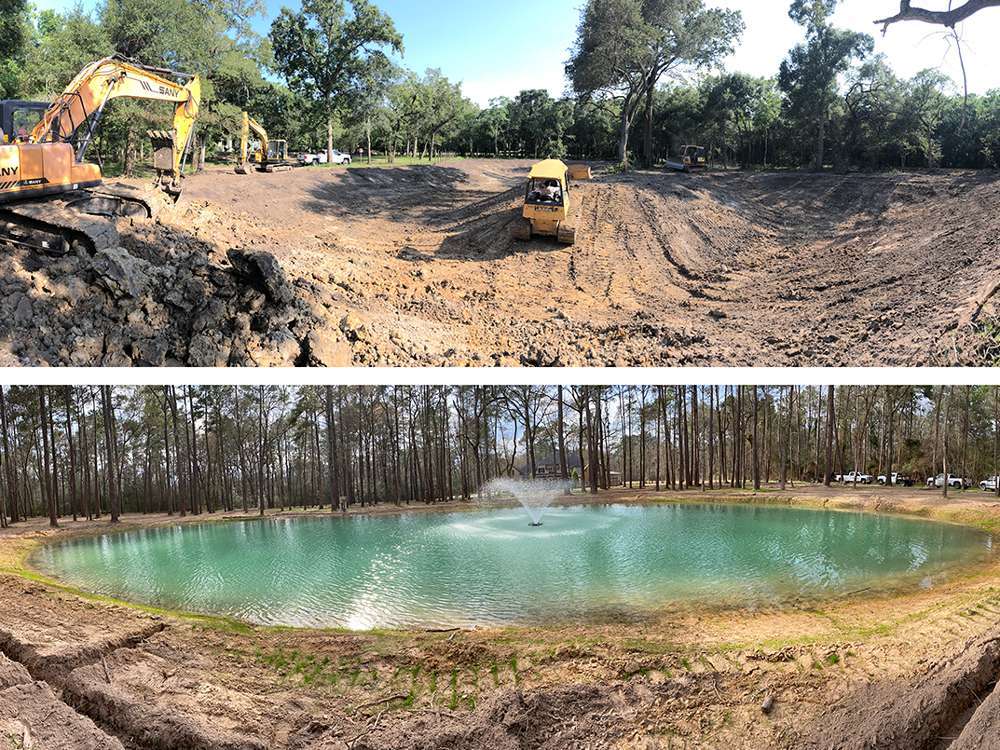
What happened before the pond filled with water still shapes maintenance today. Proper site preparation should direct runoff away from the basin, stabilize surrounding soils, and limit the amount of organic material that can wash in. When grading falls short, technicians fight a constant battle against sediment and nutrient loading.
You might notice recurring turbidity after rain or chronic buildup in certain corners. These patterns often trace back to how the watershed feeds the pond. More frequent service can manage symptoms, but professionals may also recommend corrections outside the waterline. Understanding the relationship between construction choices and current conditions allows owners to set realistic schedules and avoid repetitive strain on filtration.
Together, these variables guide whether a property needs weekly attention, biweekly optimization, or monthly monitoring. Accurate evaluation creates efficient, cost-effective care and keeps the system performing the way it was designed. Part of maintaining that high-level performance involves choosing the right elements to support your water feature’s ecosystem, such as incorporating artificial pond plants to enhance both the aesthetics and the long-term stability of your pond.
Typical Service Schedules for Different Types of Ponds
Service timing across Southeast Texas follows predictable environmental pressure. Long heat cycles, high humidity, intense UV exposure, and sudden rainfall events load ponds with nutrients faster than in many other regions. Providers who perform pond maintenance services in and around Magnolia, The Woodlands, Conroe, and the greater Houston area usually start with standard intervals, then tighten them based on measured water quality, debris capture rates, and equipment strain.
Koi Ponds
Koi ponds combine valuable livestock with heavy feeding and dense populations. In warm Texas water, fish metabolize aggressively, which means biofilters receive constant ammonia input. Mechanical filters clog faster, oxygen demand increases, and minor lapses quickly show up in fish behavior.
| Condition | Visit Frequency | Technical Focus |
| March through October | Weekly or biweekly | Flush mechanical media, inspect bead or moving bed filters, confirm aeration output, test ammonia and nitrite |
| Cooler winter period | Monthly | Verify circulation, clear bottom waste, maintain bacteria colonies |
| After 2 inch plus rainfall or events | Within 24 to 72 hours | Remove runoff solids, check overflow structures, prevent parameter swings |
Skipping even one cycle during peak season often results in stressed fish, cloudy water, and overloaded filtration.
Recreational or Naturalized Ponds
These systems depend on intake bays, plant zones, and beneficial bacteria rather than intensive mechanical capture. They still collect windblown debris, organic sediment, and nutrient inflow from the surrounding watershed.
| Condition | Visit Frequency | Technical Focus |
| Normal operating months | Monthly | Manage regeneration areas, maintain pumps, monitor clarity and nutrient balance |
| Early spring restart | Multiple visits within weeks | Remove winter accumulation, reestablish flow paths, support bacterial ramp up |
| Heavy fall shedding | Biweekly or as needed | Netting, skimmer clearing, shoreline cleanup |
When crews miss seasonal buildup, decomposition feeds algae for months afterward.
Small Garden Ponds or Fountains
Limited volume means limited forgiveness. Temperature climbs quickly, evaporation concentrates minerals, and a partially blocked intake can shut down circulation fast.
| Condition | Visit Frequency | Technical Focus |
| Stable weather | Every two to four weeks | Clean pump vaults, rinse pads, manage algae film, confirm autofill |
| Summer heat waves | Every one to two weeks | Protect pumps from cavitation, maintain oxygen, prevent rapid bloom formation |
| High landscape debris | Increase as observed | Remove organics before they sink and form sludge |
Owners often underestimate how rapidly these features decline. Regular pond maintenance services prevent full drain and clean scenarios.
Commercial or HOA Water Features
Public facing ponds must remain attractive and safe every day. Residents and visitors judge property quality by water clarity, odor, and reliability of fountains or waterfalls. Management companies also require documentation.
| Requirement | Visit Frequency | Technical Focus |
| Standard contract care | Weekly minimum | Trash removal, algae management, pump inspection, water level control |
| Asset tracking | Each visit | Record vibration, amperage trends, and visible wear |
| Post storm recovery | Immediate deployment | Clear inlets, remove floating debris, restore circulation |
Consistent presence helps providers catch deterioration early and avoids disruptive failures that prompt emergency pond repair service calls.
Seasonal timing in this region matters as much as interval length. Spring brings pollen, rising temperatures, and biological acceleration. Fall introduces leaf load that can overwhelm skimmers in days. Adjusting frequency during these windows keeps nutrients from compounding and protects the investment made during construction and site preparation.
How to Build the Right Maintenance Plan with Professionals
An effective schedule starts with measurement and observation. Qualified crews review hydraulic design, fish load, filtration capacity, surrounding drainage, and the quality of the original site preparation before they recommend timing. This approach allows pond maintenance services to prevent predictable failures instead of reacting after water clarity drops or equipment shuts down. A structured plan turns scattered tasks into a repeatable system that protects biology and mechanical assets at the same time.
A strong program typically covers:
- Cleaning and debris removal from skimmers, pump intakes, and waterfalls
- Testing of ammonia, nitrite, pH, temperature, and dissolved oxygen
- Targeted algae prevention based on nutrient trends and sunlight exposure
- Bottom sediment evaluation and sludge reduction planning
- Inspection of pumps, aerators, UV units, plumbing, and electrical components
- Identification of wear, inefficiency, or safety risks
- Forward planning for upgrades before failure occurs
Beyond routine tasks, professionals define trigger points that automatically justify additional visits. Extreme heat, significant rainfall, heavy guest activity, or sudden fish stress can all accelerate deterioration. Owners who attempt to stretch intervals usually see the opposite of savings because minor neglect compounds into system damage and eventually requires a pond repair service. Transparent reporting from a dependable pond care service helps you see how each action maintains stability, protects investment, and avoids emergency spending.
Need a plan built around Texas conditions and your specific pond design? Daniel Dean’s pond maintenance services deliver structured programs that prevent problems before they start.
Contact Daniel Dean today to schedule an on site evaluation and get a maintenance strategy that keeps your water clear and reliable.
Frequently Asked Questions about Pond Maintenance Services
What is the routine maintenance of a pond?
Routine maintenance involves regular care to keep water clear, fish healthy, and equipment functioning properly. This typically includes cleaning skimmers, pumps, and waterfalls, testing water for ammonia, nitrite, pH, and dissolved oxygen, managing algae, removing sludge, inspecting mechanical and electrical components, and monitoring plant growth. A professional pond care service also adjusts schedules based on seasonal changes, rainfall, and debris levels to prevent small issues from becoming major problems.
How much does a pond clean cost?
The cost of a pond cleaning varies depending on size, depth, type, and the complexity of pumps and filtration. Small garden ponds can start around $150 to $300 per visit, while larger koi or naturalized ponds may range from $400 to $800 or more. Commercial or HOA water features can exceed $1,000 per visit due to equipment checks, water quality testing, and documentation requirements. Regular maintenance visits generally reduce overall costs by preventing emergency repairs, which can be three to four times more expensive than routine care.
What is the most serious pond maintenance problem?
The most serious pond maintenance problems involve biological or mechanical failures that threaten fish health or water quality. Common examples include oxygen depletion, ammonia spikes, severe algae blooms, clogged pumps, and failed filtration systems. These issues can escalate quickly if not addressed, often requiring a pond repair service to restore balance. Proper scheduling, monitoring, and preventive pond maintenance services are essential to avoid these high-risk situations.
Final Thoughts on Pond Maintenance Services
Proper pond maintenance services are essential for keeping your water feature healthy, visually appealing, and functional. Regular, scheduled care prevents emergencies, protects fish and plant life, preserves equipment, and extends the life of the pond. Factors such as pond size, fish population, surrounding environment, sun exposure, equipment condition, and original site preparation all influence how often services should occur. Seasonal adjustments in Southeast Texas, especially during spring and fall, are critical to maintain balance and prevent nutrient overload, algae blooms, or mechanical failures.
To keep your pond performing at its best, work with experienced professionals who can design a customized maintenance plan based on your pond type and local conditions. Daniel Dean’s pond maintenance services provide comprehensive care, including debris removal, water testing, equipment inspection, and emergency prevention.
Contact Daniel Dean today for an on-site evaluation or to discuss any questions about pond care, land clearing, or other property services. Ensure your pond remains a healthy, attractive, and long-lasting asset.