
Are you sure your land is ready for construction, or could hidden issues derail your project? Land preparation for building a house often determines whether a build succeeds or leads to costly setbacks. Many property owners focus on construction itself and overlook how to prep land for building, even though proper land prep directly affects foundation performance and long term stability.
Across rural Texas, poor land clearing and development can result in serious structural problems. Homeowners often face foundation repairs that cost several thousand dollars, while more severe cases can climb into the tens of thousands when soil is not stabilized. In some situations, multiple support piers are needed, each adding significant cost to fix settlement issues.
In this blog post, we will talk about land preparation for building a house in rural Texas, the risks of skipping proper land prep, and how to approach the process with confidence.
What Makes Land Preparation for Building a House in Rural Texas Different
Land preparation for building a house in rural Texas requires a different mindset compared to suburban or pre-developed lots. Most rural land is raw, meaning it has not been graded, cleared, or evaluated for construction.
Several factors set rural land apart:
- Lack of existing infrastructure – Utilities like water, electricity, and septic systems often need to be planned and installed from scratch.
- Heavier vegetation and natural obstacles – Trees, brush, stumps, and rocks require professional land clearing and development before any building can begin.
- Greater variability in soil conditions – Texas soil can shift dramatically within short distances, which makes proper evaluation critical.
- Limited site access – Many rural properties lack established driveways or roads, which affects equipment access and material delivery.
These differences mean that land prep in rural areas involves more than surface-level clearing. It requires a complete evaluation of how the land will support a home over time.
Essential Steps Before Construction Begins
Land preparation for building a house requires a structured approach that turns raw property into a stable construction site. Understanding how to prep land for building helps reduce delays, control costs, and prevent structural issues. Each phase of land prep builds on the previous one, which makes proper sequencing critical for long term performance.
Key Phases in Land Preparation for Building a House
Every successful land clearing and development project follows a series of coordinated steps that prepare the site for construction while addressing soil, drainage, and access.
| Phase | What It Involves | Why It Matters |
| Site Evaluation and Planning | Soil testing, elevation review, drainage assessment, and build site selection | Identifies risks early and guides the entire land prep strategy |
| Land Clearing and Debris Removal | Removing trees, brush, stumps, and organic material | Prevents decay and ground shifting under the future structure |
| Grading and Leveling | Shaping the land to create a stable and properly sloped building pad | Ensures water flows away from the foundation |
| Soil Compaction and Stabilization | Compacting soil and adding stabilizing materials if needed | Increases load capacity and reduces settlement risk |
| Drainage and Erosion Control | Installing systems to manage water flow and protect soil | Prevents flooding, erosion, and long term damage |
| Access and Utility Preparation | Creating driveways, culverts, and utility paths | Supports construction access and future functionality |
Each of these steps plays a direct role in the success of land preparation for building a house. When done correctly, they create a reliable foundation for construction. When rushed or skipped, they increase the likelihood of drainage issues, soil movement, and expensive repairs later.
For property owners looking to tackle this process, understanding your local options for professional land grading and clearing services can help ensure the work is done right.
Key Land Conditions in Rural Texas That Affect Building Outcomes
Land preparation for building a house in rural Texas depends heavily on the natural conditions of the property. These factors influence everything from foundation design to drainage performance. Understanding how to prep land for building starts with identifying these conditions early so the right land prep strategy can be applied.
Expansive Clay Soil
Expansive clay soil is one of the most challenging factors in rural Texas. This soil type absorbs water and swells, then shrinks during dry periods. That constant movement places stress on foundations and can lead to cracks, uneven floors, and structural instability.
Effective land preparation for building a house in clay-heavy areas requires soil testing and proper compaction. In many cases, contractors adjust grading plans and may bring in select fill material to create a more stable base. Without this step, even well-built homes can experience long term foundation issues.
Natural Slope and Elevation Changes
Sloped terrain directly affects how water moves across a property. If the slope directs water toward the future home site, it increases the risk of pooling and erosion around the foundation.
A proper land prep approach reshapes the terrain to control water flow. This often includes cut and fill work to create a level building pad while maintaining a slope that carries water away. Ignoring elevation changes during land clearing and development can lead to drainage problems that are difficult to correct after construction.
Drainage Patterns and Rainfall Impact
Rural Texas properties often experience heavy rainfall, which makes drainage planning essential. Natural water paths may not be obvious until a storm occurs, but they play a major role in how the land behaves.
During land preparation for building a house, professionals study how water moves across the site and design drainage solutions around it. This can include swales, ditches, and grading adjustments that redirect water safely. Proper drainage design protects both the structure and the surrounding land from erosion and flooding.
Vegetation Density and Root Systems
Dense vegetation and deep root systems can create hidden risks beneath the surface. While clearing trees and brush may seem straightforward, leaving roots behind can cause problems later.
As roots decay, they leave voids in the soil that lead to settling and uneven ground. Thorough land clearing and development removes not only surface vegetation but also subsurface organic material. This step ensures the soil remains stable and reduces the chance of future ground movement.
Rocky or Mixed Soil Composition
Some rural Texas properties contain a mix of soil types or underlying rock layers. These conditions affect excavation, grading, and how the foundation interacts with the ground.
Rocky areas may require specialized equipment, while mixed soils can create uneven load distribution if not properly addressed. During land prep, contractors evaluate these conditions and adjust their approach to ensure consistent support across the building site.
These land conditions are not barriers to building. With the right planning and execution, they can be managed effectively. The key is aligning land preparation for building a house with the specific characteristics of the property rather than applying a generic approach. To understand what can go wrong during this process, review common site preparation mistakes.
Choosing the Right Approach to Land Preparation for Building a House in Rural Texas
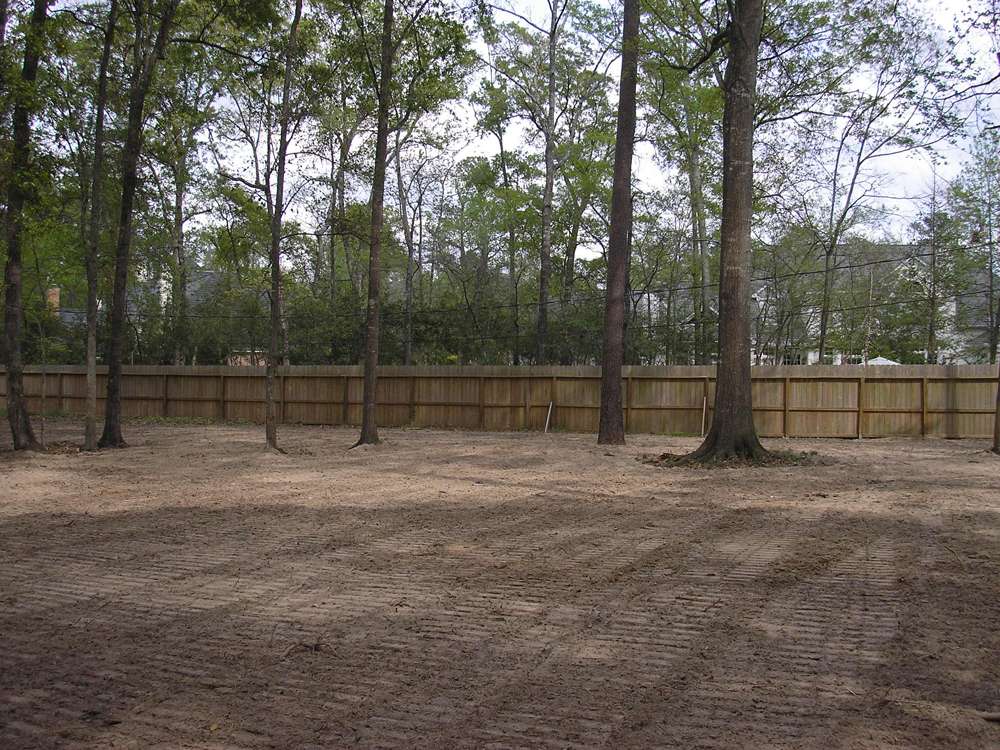
The right approach to land preparation for building a house depends on the specific characteristics of the property. A one-size-fits-all method rarely works in rural Texas.
A professional approach focuses on:
- Evaluating the land as a complete system, not just the building area
- Matching equipment and techniques to the terrain and soil type
- Prioritizing drainage and long-term stability over quick results
- Coordinating clearing, grading, and site prep as a single process
This is where working with an experienced team like Daniel Dean makes a difference. Instead of treating land clearing, grading, and drainage as separate tasks, the process is handled as a unified plan designed to support the home for years to come.
FAQs
What are the 5 steps of land preparation
The five key steps include site evaluation, land clearing, grading, soil compaction, and drainage setup. These stages ensure the land preparation for building a house creates a stable and build-ready site.
What are the 7 types of land
Common land types include residential, commercial, agricultural, industrial, recreational, mixed-use, and undeveloped land. Each type requires a different land prep approach based on its intended use.
What is site preparation in a building
Site preparation involves clearing, grading, and preparing the land before construction begins. It ensures the foundation sits on stable ground and supports long term structural integrity.
Final Thoughts on Land Preparation for Building a House in Rural Texas
Land preparation for building a house sets the foundation for everything that follows, from structural stability to long term property value. As discussed, proper land prep involves more than clearing land. It requires careful planning, soil evaluation, grading, and drainage management tailored to rural Texas conditions. Skipping these steps often leads to costly repairs, delays, and avoidable stress during construction.
If you are planning to build, the next step is to assess your property and work with professionals who understand how to prep land for building the right way. A well-prepared site reduces risks and ensures your home stands on solid ground for years to come.
If you have questions or need expert help with land clearing and development, reach out through this contact page to get started with a team that knows how to handle rural land preparation properly.