
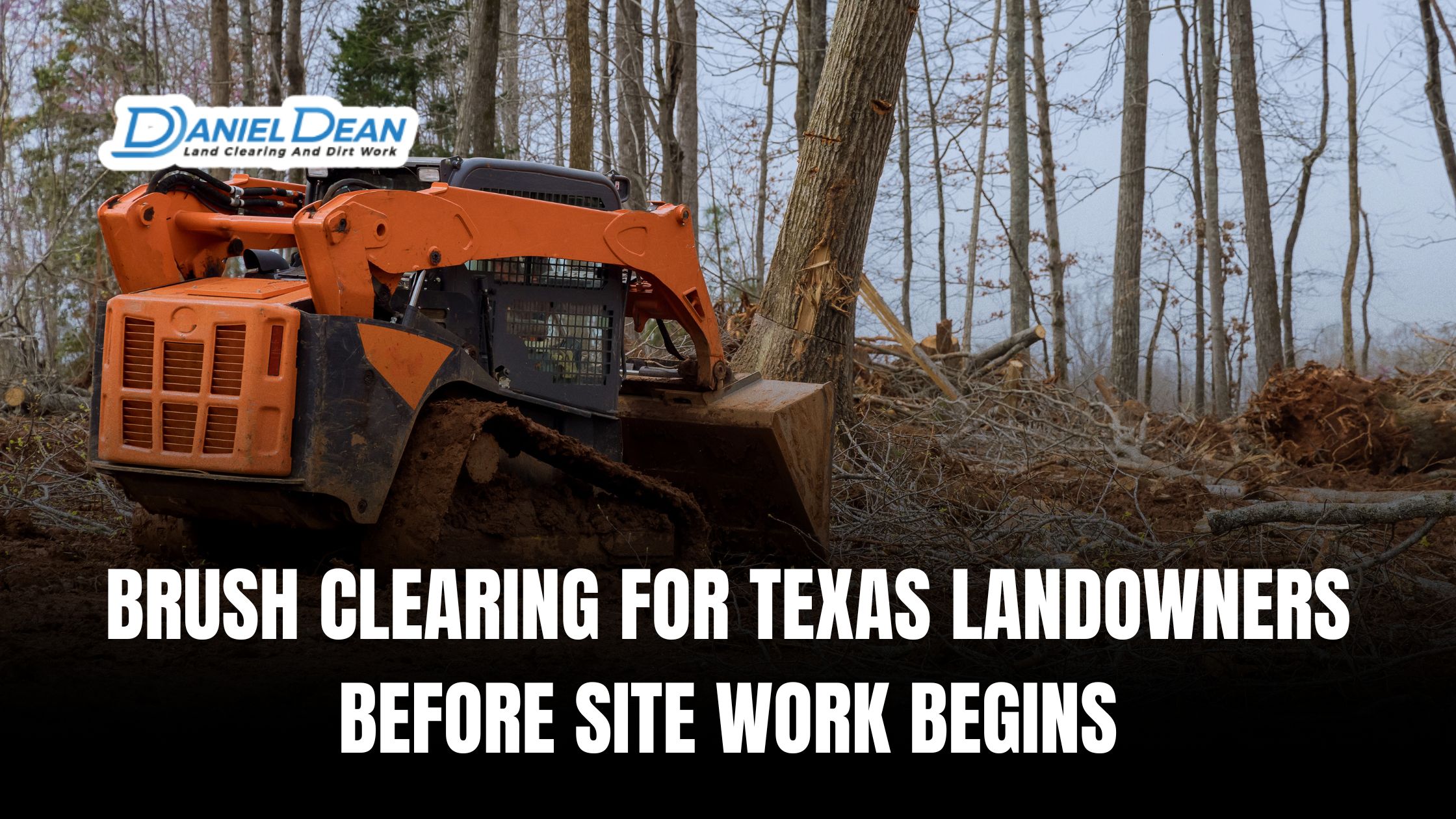
Are you confident your land is truly ready for construction, or could hidden overgrowth increase your costs? Brush clearing is often the first and most overlooked step before any site work begins. Many Texas landowners start brush clearing without understanding how it impacts grading, drainage, and foundation stability.
Thick vegetation, root systems, and uneven terrain create serious risks. Poor lot clearing can raise foundation and grading costs by as much as 20 percent due to unstable soil and buried debris. At the same time, properly cleared land can boost rural property value by up to 15 percent by improving usability and appearance. Choosing the best way to clear brush and using the right brush clearing tools makes a measurable difference.
In this blog post, we will talk about how brush clearing helps Texas landowners reduce costs, avoid delays, and prepare their property for smooth and efficient site work.
What Texas Landowners Must Know Before Clearing Any Brush (Permits, Burn Bans, and Local Rules)
Before starting any brush clearing project, Texas landowners must understand that land modification is regulated in many counties. Rules vary depending on location, zoning, and environmental conditions.
Key regulatory considerations include:
- Permits for land disturbance: Some counties require permits for grading or large-scale lot clearing, especially near waterways or protected land.
- Burn bans: Many Texas counties enforce seasonal burn bans due to wildfire risk. These restrictions directly impact whether brush can be burned or must be mulched or hauled away.
- Environmental restrictions: Certain areas limit tree removal to protect wildlife habitats and soil stability.
Landowners often underestimate how local rules affect scheduling. A project can stall if brush clearing begins without verifying county requirements first.
Contractors experienced in brush clearing typically handle compliance checks before work starts. This reduces legal risk and keeps the site work timeline predictable.
How to Assess Your Land and Choose the Right Brush Clearing Method for Texas Terrain
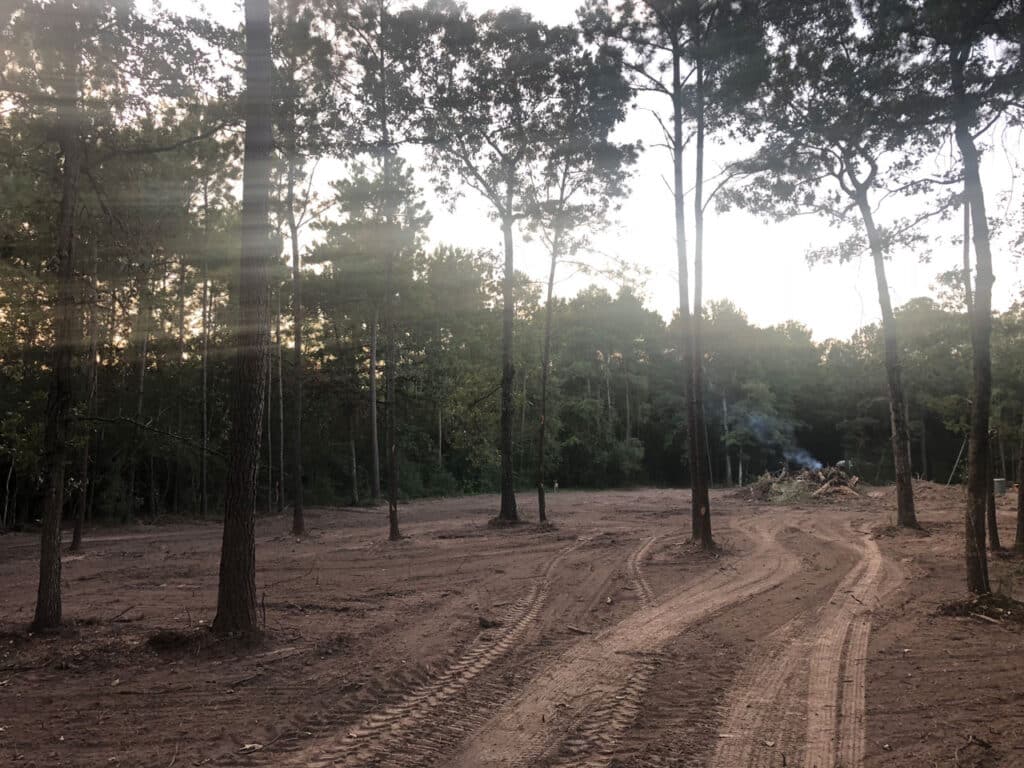
Texas presents diverse terrain requiring different clearing approaches. The best way to clear brush depends on your land’s specific characteristics and regional vegetation patterns. Understanding what land clearing actually involves helps you make informed decisions.
Start by walking your acreage systematically and noting:
- Vegetation density and type (cedar, mesquite, oak)
- Terrain slope and elevation changes
- Proximity to structures and utility lines
- Existing soil type and drainage patterns
- Road access and equipment entry points
Dense cedar thickets covering shallow rocky soil demand completely different equipment than heavy mesquite groves spreading across flatland. This property assessment determines which brush clearing tools make economic sense for your specific situation.
Common Clearing Methods and Best Use Cases:
| Method | Best For | Equipment | Cost per Acre |
| Mechanical removal | Dense multi-acre properties | Skid steers, tracked dozers | $200-$400 (light) |
| Cut-and-haul | Medium density with obstacles | Hand crews + dump trucks | $15-$35/hour labor |
| Mastication | Fire mitigation + erosion control | Grinding equipment | $400-$1,200 |
| Selective hand removal | Near buildings or utilities | Hand tools, small equipment | $15-$35/hour labor |
Mastication represents an increasingly popular approach across Central Texas, addressing fire hazard while creating erosion control material. Rocky terrain common in the Hill Country limits heavy machinery access. Properties with elevation changes often require hand crews rather than large dozers. Proximity to utilities narrows equipment options considerably.
Brush Clearing Costs in Texas: What Site Work Contractors Actually Charge Per Acre
Pricing for brush clearing varies dramatically based on vegetation density, terrain accessibility, and chosen removal method. Understanding typical cost ranges helps property owners budget accurately and evaluate contractor quotes effectively.
Brush Clearing Cost Breakdown in Texas
| Category | Details | Cost / Price Range |
| Standard cleared property | Light brush | $200 – $400 per acre |
| Moderate vegetation | Medium brush | $600 – $800 per acre |
| Dense cedar or mesquite | Heavy brush | $1,000 – $1,500 per acre |
| Hill Country with terrain | Rocky and dense | $1,000+ per acre |
| Mastication operations | Equipment-based clearing | $400 – $1,200 per acre |
| Rock removal and stump grinding | Site preparation work | $200 – $500 per acre |
| Debris hauling and disposal | Removal of cleared material | Included or separate quote |
| Site mobilization fees | Access and transport costs | $500 – $2,000 |
| Hand crew labor | Manual clearing work | $15 – $35 per hour |
Cost Evaluation Tips:
Ensure quotes include complete debris removal, site grading, rock clearing, and detailed itemization. Some contractors quote vegetation removal only, leaving additional expenses for property owners. Request detailed breakdowns to prevent surprise charges.
Timing Your Brush Removal Around Texas Seasons, Wildlife, and Soil Conditions
Timing affects both cost and performance of brush clearing projects. Texas weather patterns and soil conditions can either improve or complicate site work.
Seasonal considerations
- Dry season (late summer to fall): Easier access, reduced soil damage, and faster equipment movement
- Wet season (spring): Higher risk of rutting and soil compaction
- Peak heat months: Faster vegetation drying but harder working conditions for crews
Wildlife activity also impacts timing. Some areas require clearing adjustments during nesting or migration periods.
Soil moisture plays a major role. Wet clay soil can trap heavy machinery, increasing both time and cost. Contractors often delay work until conditions stabilize to prevent long-term ground damage.
Proper scheduling ensures brush clearing supports future construction instead of creating additional grading problems later.
How Proper Brush Clearing Sets Up a Smoother, Cheaper Site Work Process
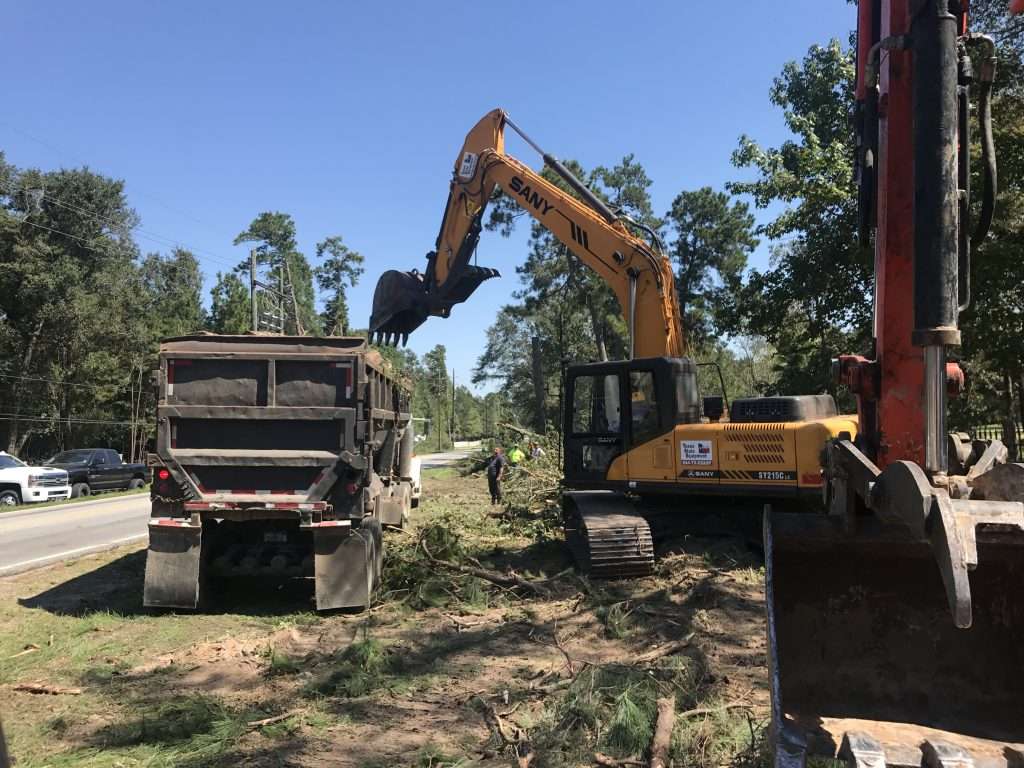
Well-executed brush clearing directly improves the efficiency of every step that follows. Property owners often notice fewer delays, lower equipment time, and more accurate construction planning when land is prepared correctly.
From the client’s experience, proper clearing creates three major benefits:
Faster Construction Start
When brush clearing is done correctly, crews can access the property without obstruction from overgrowth, roots, or uneven terrain. Surveyors can mark boundaries accurately, and builders can begin layout work immediately. This eliminates common delays caused by inaccessible areas or last-minute clearing adjustments. Many landowners find that early preparation shortens the gap between land purchase and actual construction, which helps keep the entire project on schedule.
Lower Grading and Foundation Costs
Incomplete clearing often leaves behind stumps, buried roots, and organic debris that interfere with excavation. These hidden issues can lead to unexpected equipment use, additional labor, and redesigns during grading. Proper brush clearing removes these obstacles early, allowing contractors to work on clean, stable ground. As a result, landowners avoid surprise costs and reduce the risk of structural problems caused by uneven or poorly prepared soil conditions.
Improved Drainage and Soil Stability
Strategic brush clearing helps shape how water moves across the property. By removing dense vegetation in key areas while preserving natural flow paths, contractors can prevent water pooling and erosion. This creates a more stable base for future construction and reduces long-term maintenance issues. Landowners benefit from fewer drainage corrections after building, which protects both the structure and the surrounding landscape.
In many Texas projects, landowners who invest in professional brush clearing report smoother coordination between excavation crews, builders, and engineers. It reduces change orders and prevents costly redesigns during construction. To better understand how to protect valuable vegetation during the process, read this guide on how to clear brush without damaging plants.
FAQs
What is the meaning of bush clearing?
Bush clearing, also known as brush clearing, refers to the removal of overgrown vegetation, small trees, and shrubs to prepare land for use. It improves access, safety, and readiness for construction or lot clearing.
How to clear a South Texas brush?
The best way to clear brush in South Texas depends on density and terrain, but it often involves mechanical mulching or excavators for efficiency. Using the right brush clearing tools ensures minimal soil damage and faster site preparation.
What is bush clearance?
Bush clearance is another term for removing unwanted vegetation to make land usable for development or agriculture. It focuses on clearing surface growth while preparing the area for grading or construction.
Final Thoughts on Brush Clearing for Texas Landowners Before Site Work Begins
Brush clearing sets the foundation for every successful construction project in Texas. When you understand local regulations, assess your land properly, choose the right methods, and time the work correctly, you reduce risks and control costs from the start. Proper preparation improves site access, protects soil stability, and prevents expensive delays during grading and foundation work.
If you are planning any type of lot clearing or site development, the next step is to evaluate your property and speak with experienced professionals who understand Texas terrain. A well-planned approach ensures your land is ready for efficient and cost-effective construction.
If you have questions or need help with brush clearing, land clearing, or site work, reach out to our team at Daniel Dean. You can easily contact our team here to get expert guidance and request a quote.