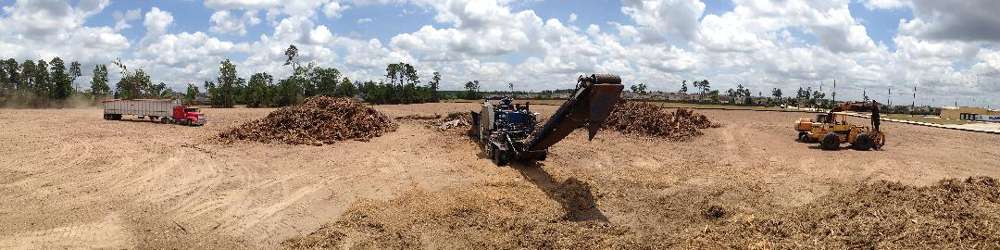
Texas Land Clearing Near Me: Key Facts for Property Owners
Are you searching for land clearing near me because you want to build, sell, or improve your Texas property? Many owners type land clearing near me into Google without realizing how quickly costs and complications can rise. In Texas, professional clearing typically runs from $2,700 to $11,000 per acre depending on the method and on what happens to the cleared debris, and strategic clearing can raise property value by 10 to 15% by improving access and curb appeal. These rates are for brush and small trees up to 5 inches across. Larger trees, and pulling stumps out with an excavator, are quoted separately after we walk the property.
The problem is that soil conditions, dense cedar, mesquite growth, and local regulations often turn simple projects into expensive setbacks. Choosing the wrong ground clearing company or method can lead to drainage issues, permit violations, or regrowth problems.
In this blog post, we’ll talk about what affects pricing, how residential land clearing differs from commercial land clearing, and how to make informed decisions that protect your investment and maximize your property’s potential.
Texas-Specific Clearing Challenges
Texas is not a one-size-fits-all state when it comes to land development. Soil composition, vegetation type, and regional climate conditions directly affect how land clearing should be performed.
1. Cedar and Ashe Juniper in Central Texas
In areas like Austin and the Hill Country, dense cedar, often called Ashe juniper, dominates many properties. This invasive tree competes for groundwater and spreads quickly. Cedar regrows from the root crown, so mulching it knocks the canopy back without stopping it coming again. Preventing regrowth means taking the root out — a dozer or an excavator with a root rake, not a mulcher.
2. Mesquite in North and West Texas
Mesquite trees develop deep root systems that make removal more complex. Simply cutting them at surface level often leads to regrowth. A professional ground clearing company may need to grub out root balls or apply targeted treatment to prevent future issues.
3. Clay Soil and Drainage Problems
North Texas and parts of Central Texas contain expansive clay soil. This soil type expands when wet and contracts during dry periods. Improper clearing can disturb soil stability and create future foundation problems. For residential land clearing projects, contractors often integrate grading and erosion control into the clearing process.
4. Flood Zones and Coastal Conditions
Houston and other Gulf Coast areas present floodplain challenges. Clearing land without proper drainage planning can increase runoff and cause compliance issues. Commercial land clearing projects near wetlands or waterways require additional environmental considerations.
Understanding these regional challenges allows property owners to choose the right equipment and strategy instead of relying on generic clearing solutions.
What Land Clearing Actually Costs in Texas
When property owners search for land clearing near me, cost is usually the first concern. However, pricing varies significantly depending on location, acreage, vegetation density, and project scope.
Average Land Clearing Costs in Texas
| Project Type | Estimated Cost Range Per Acre |
|---|---|
| Forestry mulching, standing brush | $2,700 to $3,500 |
| Forestry mulching with the DD Crusher | $4,700 to $6,000 |
| Dozer clearing, debris bladed off or ground on site | $4,250 to $8,200 |
| Dozer clearing, debris hauled off the property | $8,000 to $11,000 |
| Trees over 5 inches across, or stumps dug out | Quoted after a site visit, not off this table |
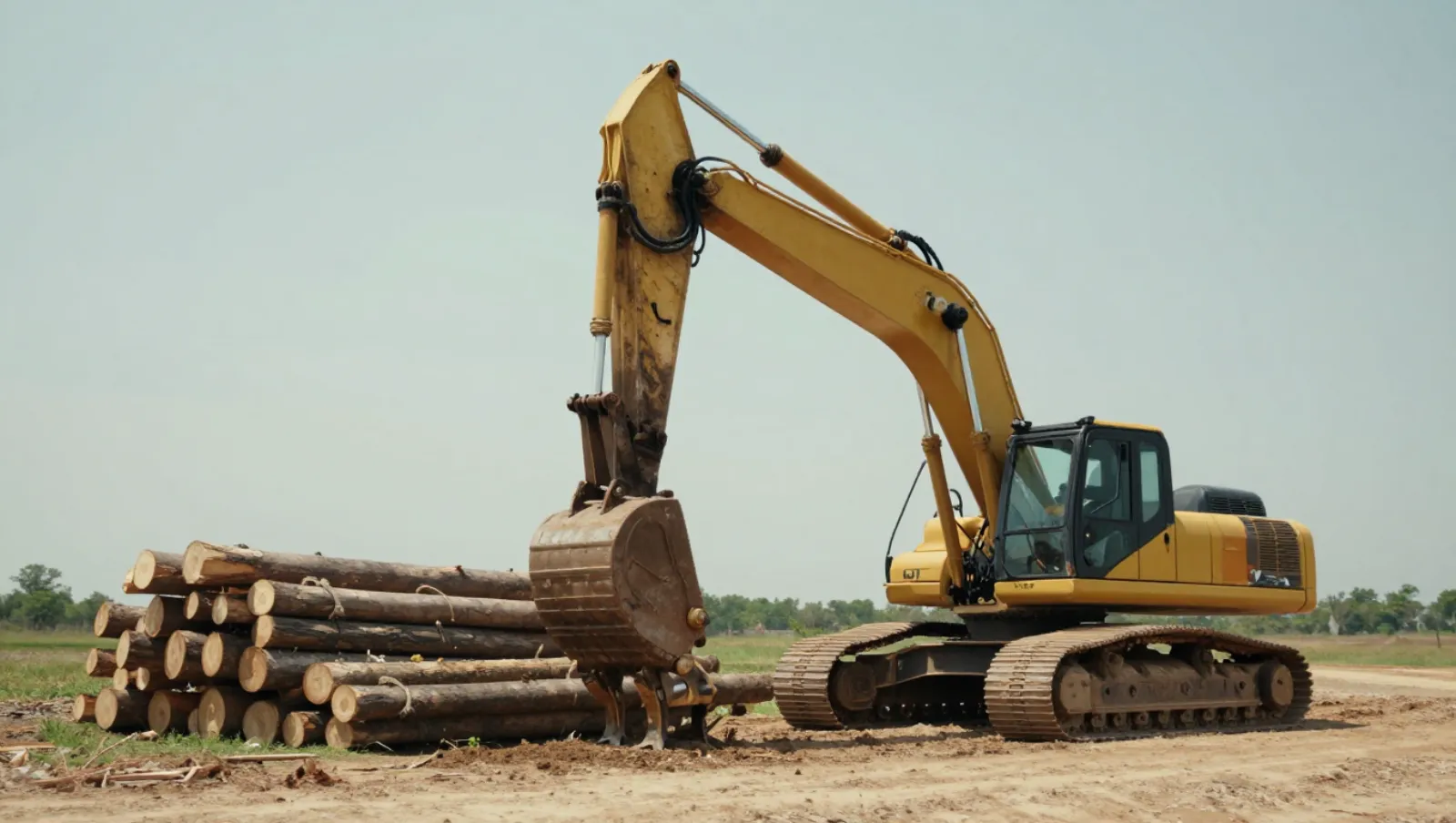
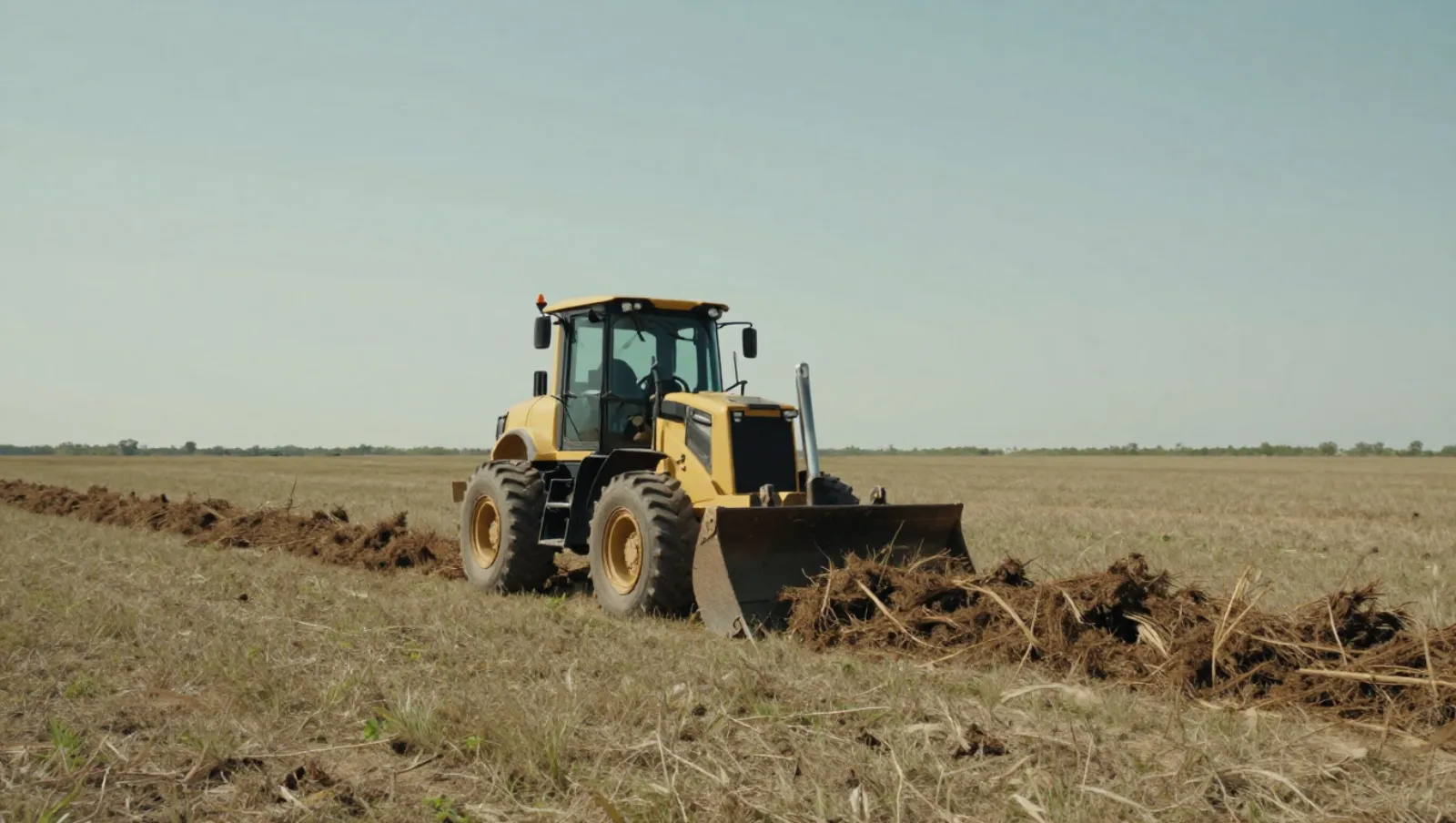
These are per-acre rates, and two things move them. First, job size: a one-acre job pays the top of each range because mobilization is spread over less ground, while a job of five acres or more pays about 22 to 27 percent less per acre depending on the method, and that is as low as it goes — the discount stops at five acres. Second, and more powerfully, debris handling. On a single acre, hauling the cleared material off the property runs about $5,200 more per acre than blading it off, roughly a 90 percent difference for the same clearing work. Figures also vary by region, since urban areas like Dallas and Austin often carry higher labor and disposal fees than rural counties.
Factors That Influence Pricing
• Vegetation thickness and tree diameter • Accessibility for heavy equipment • Stump removal requirements • Hauling and debris disposal • Grading and leveling needs • Permit or inspection costs
Residential land clearing projects typically focus on preparing home sites, driveways, and septic systems. Commercial land clearing often involves larger acreage, utility access, and compliance requirements, which increases overall cost.
Requesting a site visit from a local ground clearing company gives you a more accurate estimate because contractors evaluate slope, soil condition, and access limitations.
Permits, Protected Trees, and County Regulations Texas Owners Overlook
Texas land clearing often looks simple from the outside, but the regulatory landscape operates as a layered system of city, county, and state oversight. If you clear land for a home site, ranch upgrade, or commercial project without verifying requirements, you risk stop work orders, restoration mandates, and substantial fines. Local rules frequently depend on tree size, acreage disturbed, environmental sensitivity, and intended land use.
Heritage Tree Thresholds
Many cities regulate removal based on Diameter at Breast Height measured at 4.5 feet above ground. In Austin, protected trees begin at 19 inches DBH and certain species qualify as Heritage trees at 24 inches DBH, with penalties calculated per diameter inch removed. San Antonio often requires a Tree Preservation Plan and may mandate maintaining 35 to 40 percent canopy cover. Mitigation can include replacement planting or municipal tree fund payments.
Edwards Aquifer Protections
Properties located over recharge, transition, or contributing zones fall under Texas Commission on Environmental Quality oversight. Disturbing more than five acres may require a Water Pollution Abatement Plan, and geologic inspections may apply in sensitive areas.
Stormwater and TPDES Rules
Clearing one acre or more can trigger the Texas Pollutant Discharge Elimination System. You may need a written Stormwater Pollution Prevention Plan and on-site erosion controls such as silt fencing or rock barriers.
Endangered Species Windows
Central Texas landowners must consider protected habitats, including seasonal restrictions tied to nesting periods for species such as the Golden-cheeked Warbler. The discovery of karst features can halt development.
Debris Disposal Limits
The TCEQ Outdoor Burning Rule distinguishes between residential and commercial debris. Commercial clearing often prohibits open burning and may require trench burners or landfill disposal, which makes forestry mulching a practical alternative. Before anything is lit, check the TCEQ outdoor burning rules and your county’s current burn ban, which changes with drought conditions.
Before hiring a contractor, confirm which layer of regulation applies to your property. A knowledgeable clearing professional who understands municipal ordinances, aquifer protections, and erosion requirements can help you avoid costly enforcement actions and project delays.
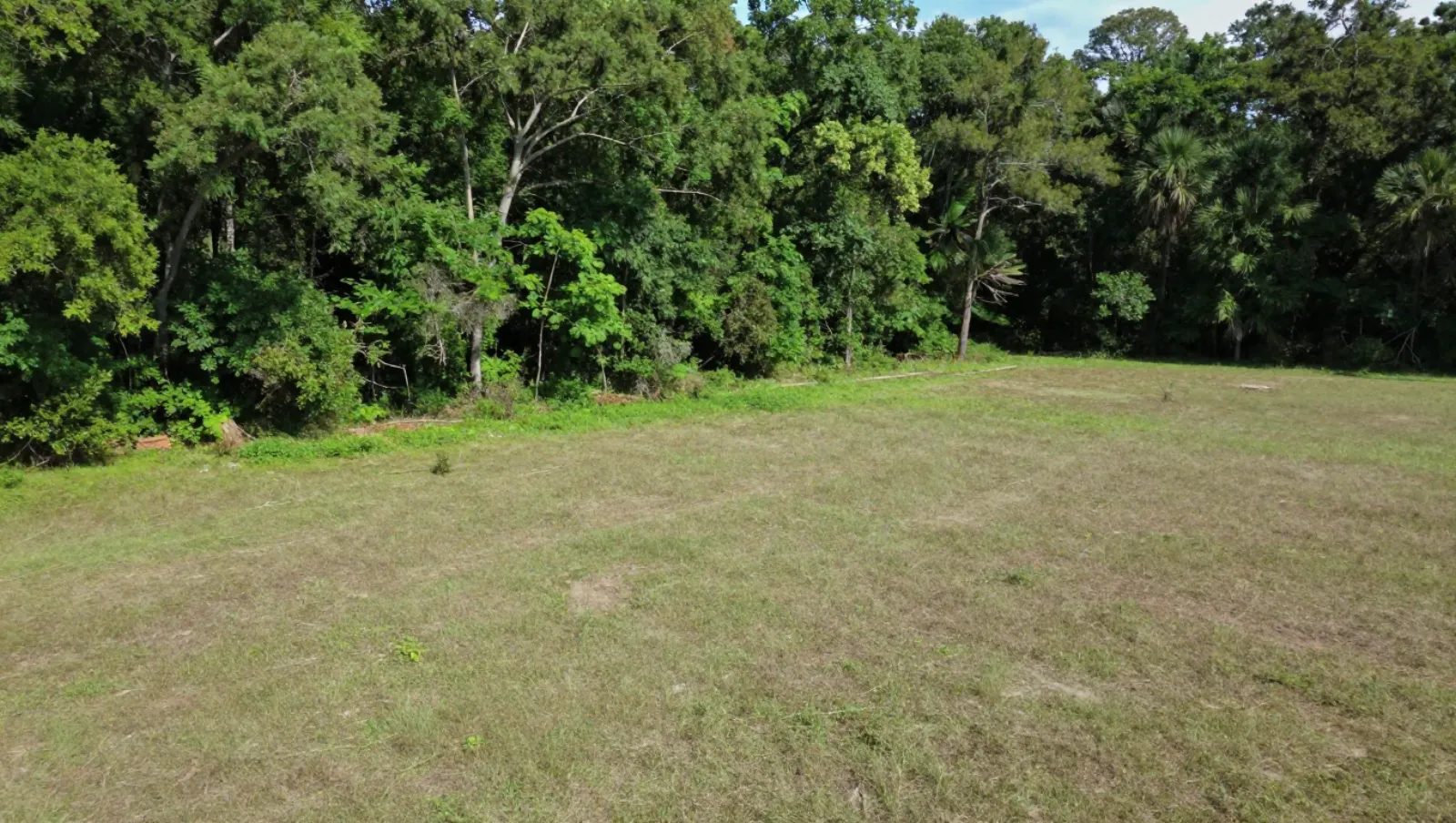
Learn more about common issues and how to protect your project by visiting Texas commercial builders site clearing risks.
Choosing the Right Clearing Method in Texas
When property owners search for land clearing near me, they often focus on price first. The clearing method you choose directly affects soil stability, drainage patterns, regrowth risk, and long term usability. Texas terrain varies from rocky Hill Country slopes to sandy East Texas soil and dense mesquite in North Texas.
The right solution depends on whether you need residential land clearing for a homesite or commercial land clearing for full scale development. A qualified ground clearing company evaluates vegetation density, root depth, acreage, and your final land use before recommending equipment and strategy.
| Method | Best For | Soil Impact | Cost Range | Key Advantage |
|---|---|---|---|---|
| Forestry Mulching | Residential land clearing, selective clearing | Low disturbance, mulch protects topsoil | $2,700 to $3,500 per acre for standing brush and small trees up to 5 inches across. Larger trees, and pulling stumps out with an excavator, are quoted separately after we walk the property | No hauling required, improves erosion control |
| Bulldozing | Large acreage, heavy timber | High disturbance | Higher due to equipment and fuel | Fast removal of dense trees |
| Grubbing | Construction prep, foundations | Moderate to high | Added cost per acre | Removes root systems to prevent regrowth |
| Selective Clearing | Property enhancement | Low | Varies by scope | Preserves mature trees |
| Hand Clearing | Tight residential lots | Minimal | Labor based | Precision in small areas |
Each approach serves a specific purpose. Forestry mulching works well when erosion control and soil preservation matter, especially for residential land clearing projects. Bulldozing and grubbing suit commercial land clearing where complete removal is necessary for foundations, utilities, or parking lots.
Selective and hand clearing fit properties that require precision and aesthetics. Consulting an experienced ground clearing company ensures your method aligns with Texas soil conditions, drainage requirements, and long term development plans.
For a deeper understanding of how proper site preparation impacts structural stability, review this guide on construction dirt work and foundation planning before moving into the next phase of development.
Final Thoughts on Texas Land Clearing Near Me: Key Facts for Property Owners
Choosing the right land clearing near me in Texas requires more than comparing bids. You need to understand soil composition, vegetation challenges, drainage control, and local regulations before starting any project. Residential land clearing and commercial land clearing each demand specific equipment, compliance planning, and long term site strategy. When you make informed decisions early, you reduce costly delays, avoid regulatory issues, and protect the overall value of your property.
The next step is to work with an experienced ground clearing company that understands Texas terrain and development standards. Daniel Dean delivers professional land clearing, dirt work, and full site preparation services across the state. If you are planning a project or need expert guidance, reach out through the Daniel Dean contact page to speak with our team and move forward with confidence.
Frequently Asked Questions
- How much does it cost to clear an acre of land in Texas?
- A single acre pays the top of every range, because mobilization is spread over less ground. Expect about $3,500 for forestry mulching of standing brush, about $6,000 if the DD Crusher comes along with it to grind the debris down, about $5,800 for dozer clearing with the debris knocked over, raked, and bladed off, about $8,200 if that debris has to be ground on site, and about $11,000 if it has to be hauled off the property. Larger jobs come down from there, with five acres or more running about 22 percent less per acre on mulching and about 27 percent less on dozer work — and that is the floor, because the volume discount stops at five acres. Residential land clearing tends to cost less than commercial land clearing when full site prep and compliance are not required. That covers brush and small trees up to 5 inches across. Mature timber, and digging stumps out with an excavator, are quoted after a site visit.
- What is the cheapest way to clear land?
- Forestry mulching is the budget method, at $2,700 to $3,500 per acre for standing brush, because the brush is mulched in place and there is no debris to stack, grind, or haul. The right method still depends on brush density and your long term land use goals. Those numbers buy brush and small trees up to 5 inches across. Anything bigger gets its own quote once we have walked the property.
- Do you need a permit to clear land in Texas?
- Permit requirements vary by city, county, and environmental zone, especially within city limits or floodplains. A qualified ground clearing company can confirm whether your project requires approval before work begins.