
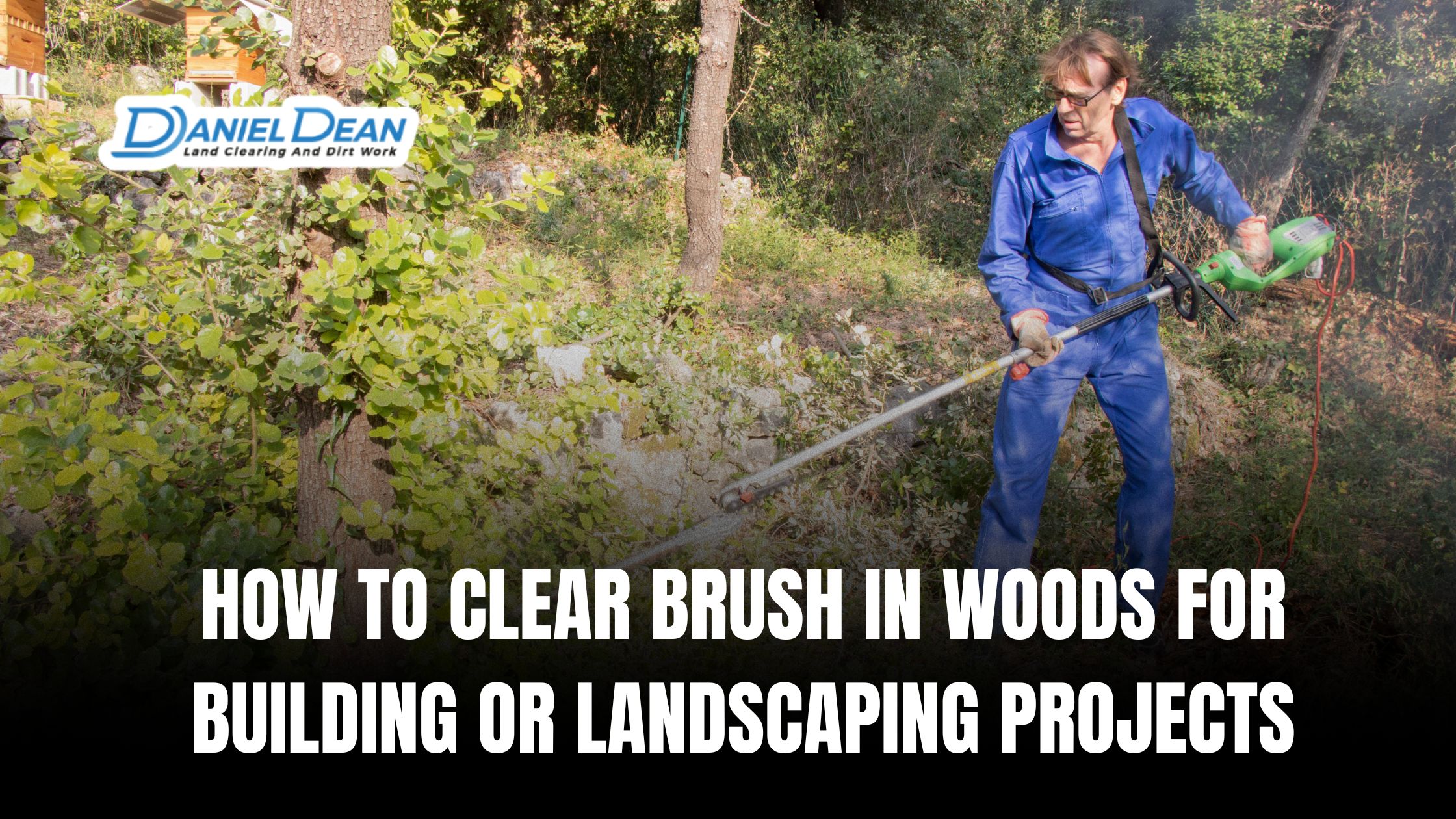
Have you ever wondered how to clear underbrush in woods efficiently without damaging the land or surrounding trees? Dense undergrowth can make building, landscaping, or creating trails challenging, while unmanaged brush increases wildfire risk and decreases property usability.
Studies show that well-maintained landscaping and cleared wooded lots can boost property value by five to seven percent, making proper underbrush removal both practical and financially beneficial.
Clearing at least 30 feet of brush around structures, known as the Home Ignition Zone, significantly reduces the chance of wildfire damage. Many landowners struggle with knowing how to clear land of trees and brush safely while preserving healthy trees and soil.
In this blog post, we will guide you through every step of the process, from evaluating your property to selecting tools and techniques, helping you turn overgrown woodland into functional, safe, and attractive land ready for building or landscaping projects.
1. Evaluate the Land and Define Project Goals
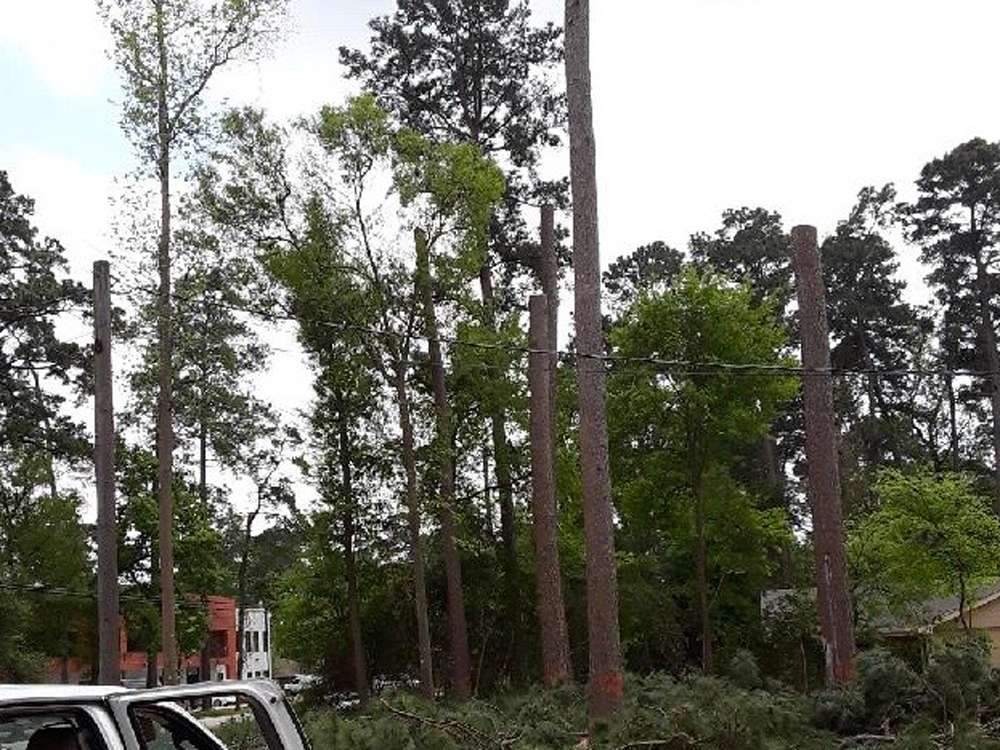
Understanding how to clear underbrush in woods begins with a careful assessment of the property. Rushing into cutting and clearing often leads to wasted effort, damaged trees, and uneven results. A clear evaluation allows underbrush removal to support long term building or landscaping plans while protecting soil, drainage, and existing vegetation.
A detailed walkthrough of the land helps reveal natural features and problem areas before any tools come out. Observing the terrain, plant growth patterns, and access points makes it easier to plan how to clear land of trees and brush efficiently. This planning stage also reduces the risk of over clearing and preserves elements that add value and visual appeal to the property.
- Topography and slope – Steep or uneven sections may need erosion control or lighter equipment to prevent soil disturbance
- Tree density and species – Healthy mature trees often add value, while crowded or weak trees may need removal
- Existing vegetation – Thick undergrowth, invasive plants, and aggressive vines usually require targeted clearing
- Desired outcome – Project goals may include building space, landscaped areas, walking paths, or fire safety zones
Clear project goals allow underbrush removal to stay focused and intentional. A well planned approach makes how to clear underbrush in woods more efficient while protecting the land for future use.
2. Choose the Right Brush Clearing Methods and Tools
Selecting the correct tools and clearing methods plays a major role in how efficiently you complete underbrush removal. The size of the property, vegetation density, soil condition, and overall project goals all influence your decision. When learning how to clear underbrush in woods, matching the equipment to the terrain prevents unnecessary soil disturbance and reduces labor costs.
Smaller projects may only require hand tools, while larger developments often demand powered equipment or heavy machinery. A thoughtful combination of tools allows you to clear land methodically while protecting desirable trees and minimizing environmental impact.
| Method | Best For | Tools Used | Advantages | Considerations |
| Manual Clearing | Small areas or selective thinning | Loppers, pruning saws, machetes, hand rakes | Precise control, low cost, minimal soil disturbance | Labor intensive, slower for large areas |
| Mechanical Tools | Moderate undergrowth and saplings | Brush cutters, string trimmers, chainsaws | Faster clearing, effective on dense vegetation | Requires safety gear and proper handling |
| Heavy Machinery | Large scale projects and dense brush | Skid steers, bulldozers, forestry mulchers | High efficiency, clears thick brush quickly | Higher cost, potential soil compaction |
Many projects benefit from combining methods. Mechanical tools can remove thicker brush and saplings efficiently, while manual tools refine areas near preserved trees or future building sites. For expansive lots, heavy machinery may handle primary clearing before smaller tools complete detail work. A strategic approach to how to clear land of trees and brush ensures safety, preserves soil structure, and creates a stable foundation for construction or landscaping.
3. Prepare the Site for Construction or Landscaping
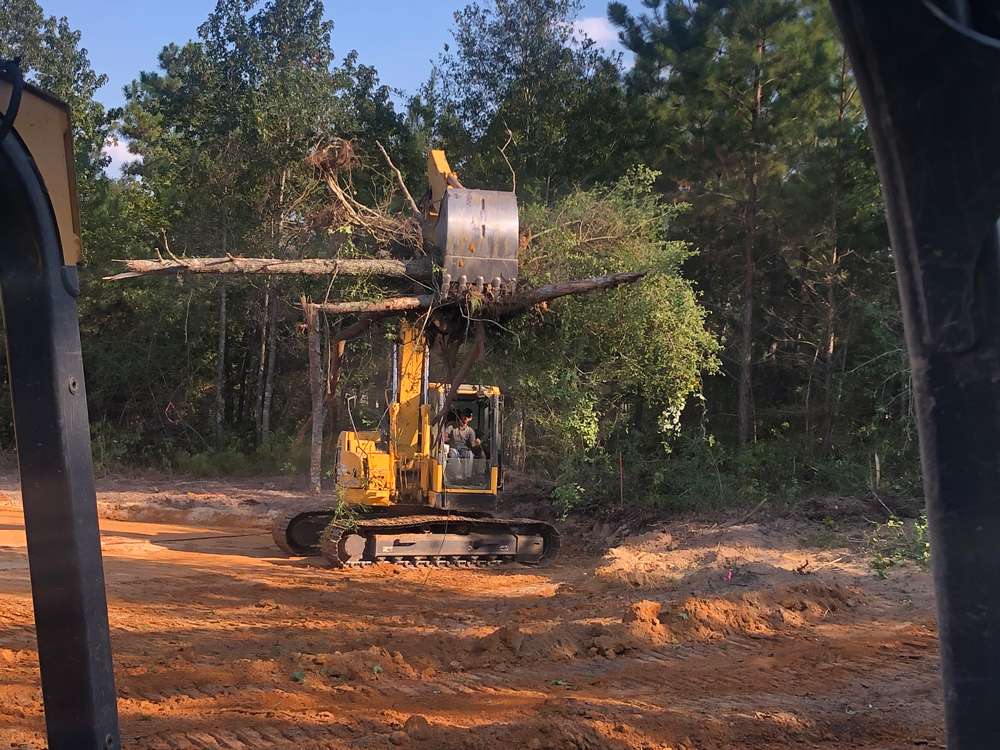
Preparing the site creates the structure needed for efficient and safe underbrush removal. Once you understand how to clear underbrush in woods and select the right tools, proper preparation reduces delays, prevents accidents, and protects the surrounding environment. Clear planning at this stage helps control the direction of work, limits unnecessary disturbance, and ensures the land supports future construction or landscaping without costly corrections.
Thorough preparation includes clearly defining clearing zones, identifying hazards, and planning how to handle debris before cutting begins. Marking boundaries with stakes or flags prevents accidental removal of valuable trees and keeps work within property lines. Checking for rocks, hidden stumps, or wildlife avoids equipment damage and safety risks. Planning debris disposal options such as mulching, composting, or hauling also improves efficiency when learning how to clear land of trees and brush. On sloped terrain, erosion control measures like mats or temporary barriers protect soil stability during clearing.
Proper site preparation supports safe clearing and long term land stability. A well organized approach makes how to clear underbrush in woods more effective and leaves the property ready for its next phase. For a detailed guide on organizing and setting up your work area before clearing, check out this laydown yard setup checklist.
4. Clear Brush Safely While Protecting Trees and Soil
Learning how to clear underbrush in woods requires equal focus on safety and environmental care. Brush clearing often involves sharp tools, uneven terrain, and dense vegetation that can hide hazards. A controlled approach reduces injury risk while preserving soil structure, root systems, and healthy trees that contribute to long term land stability. Thoughtful underbrush removal also prevents erosion and protects the natural balance of the wooded area during construction or landscaping preparation.
- Wear protective gear – Gloves, eye protection, long sleeves, sturdy boots, and helmets help prevent cuts, falls, and impact injuries
- Work in sections – Dividing the area into smaller zones limits fatigue and keeps progress organized
- Preserve desirable trees and plants – Avoid cutting near established trees to protect root systems and maintain shade and soil health
- Cut methodically – Start from the outer edges and move inward to avoid unstable footing and hidden obstacles
- Mind wildlife habitats – Clear carefully around nests, burrows, or natural shelters when possible
A balanced strategy that combines manual tools with mechanical equipment improves efficiency without damaging the land. When done correctly, how to clear land of trees and brush becomes safer, more sustainable, and better suited for long term development goals.
5. Manage Debris and Prevent Future Regrowth
Clearing underbrush does not end once the last branch falls. Long term success depends on how effectively you manage debris and prevent vegetation from returning. Many landowners learn how to clear underbrush in woods only to face rapid regrowth because debris management and follow up care get overlooked. A structured post clearing plan protects your investment of time and effort while keeping the land ready for construction or landscaping.
Brush disposal plays a major role in maintaining a clean and functional site. Chipping or mulching branches reduces waste and creates material that improves soil moisture retention and erosion control. Composting organic debris supports soil health, while hauling excess material to recycling centers keeps the site uncluttered. Addressing stumps also prevents future problems. Grinding stumps below ground level or using approved treatments stops new shoots that interfere with underbrush removal efforts.
Ongoing maintenance keeps cleared land under control. Regular inspections help identify new shoots, invasive species, or dense regrowth before they spread. Reinforcing cleared areas with grass, ground cover, or selected shrubs stabilizes soil and limits opportunities for brush to return.
Consistent debris management supports long term land usability. Preventive care ensures how to clear land of trees and brush delivers lasting results instead of repeated clearing cycles. For deeper insight into planning, safety, and common mistakes during land preparation, review this guide on site clearing risks for commercial and residential projects.
FAQs
What can I use to clear brush?
You can clear brush using hand tools like loppers, pruning saws, and machetes for small areas. For thicker undergrowth, brush cutters, string trimmers, and chainsaws work more efficiently. Large properties may require skid steers or forestry mulchers.
How do I permanently clear brush?
Permanent brush clearing requires removing vegetation and preventing regrowth. Cut brush at ground level, treat stumps to stop resprouting, and reinforce cleared areas with mulch, grass, or ground cover. Regular inspections and maintenance stop new growth before it spreads.
How do I clear trails in the woods?
Trail clearing starts with marking a clear path and removing underbrush selectively. Use hand tools or brush cutters to clear vegetation while preserving surrounding trees and roots. Consistent maintenance keeps trails open, safe, and easy to navigate.
Final Thoughts on How to Clear Brush in Woods
Learning how to clear underbrush in woods takes planning, the right tools, and a long term mindset. This guide covered how to evaluate your land, choose effective clearing methods, prepare the site, protect trees and soil, and manage debris to prevent regrowth. When you approach underbrush removal strategically, you protect your property, improve safety, and create a solid foundation for building or landscaping projects.
Your next step is to decide whether the scope of your project requires professional support. Large scale clearing, grading, or site preparation often demands experience, specialized equipment, and careful coordination to avoid costly mistakes. If you want reliable results and peace of mind, working with a trusted contractor makes a difference.
For questions, consultations, or professional land clearing services, contact Daniel Dean today through our contact page. Our team is ready to help you move forward with confidence and get your property ready for its next phase.