
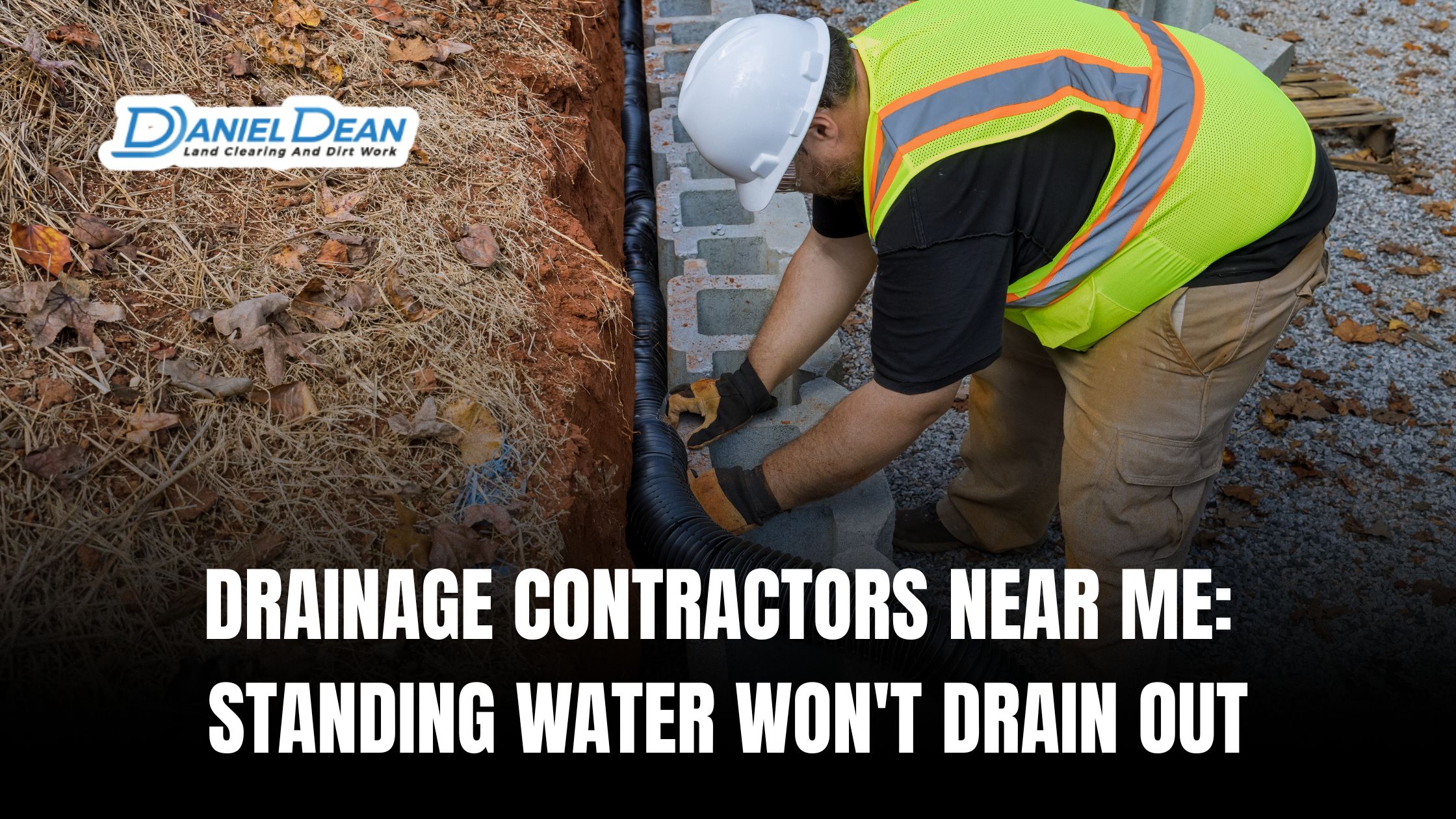
Have you searched for drainage contractors near me because standing water keeps collecting around your Texas property after every storm?
Many homeowners across Magnolia, Conroe, Tomball, The Woodlands, and nearby Southeast Texas communities deal with flooding yards, muddy areas, and water pooling that never fully dries out. A trusted drainage repair company or experienced yard drainage contractors can help stop these problems before they damage your property.
Poor drainage creates more than a messy yard. Foundation repairs across the United States often cost around $5,000, while major structural work can climb to $10,000 to $15,000 or more. Landscaping also takes a hit. Many Texas homeowners invest 10% to 20% of their home’s value into outdoor spaces, yet poor drainage can destroy that investment within a single season of heavy rain.
Standing water rarely goes away on its own, especially in Southeast Texas where clay soil and intense storms create constant drainage challenges. In this blog post, we will talk about why standing water happens, the warning signs to watch for, and the drainage repair solutions professionals use to protect Texas properties long term.
Why Standing Water Won’t Drain in Texas: 7 Common Root Causes
We have diagnosed drainage problems across hundreds of Texas properties, and the same patterns show up again and again. Texas soil, flat terrain in many areas, and heavy seasonal storms all combine to create stubborn drainage issues. Let’s walk through what we typically find on local properties.
- Compacted soil: Heavy equipment or foot traffic compresses the ground, making it nearly impossible for water to soak in. The soil gets hard, water sits on top, and pools form.
- Improper lot grading: If your yard slopes toward your house instead of away from it, or if there are low spots where water naturally collects, you’ve got a grading problem. We often see this with older homes or properties that have settled unevenly.
- Clogged or undersized gutters: When gutters overflow or downspouts dump water right at your foundation, the surrounding soil gets oversaturated. It can’t absorb any more water, so pools form nearby.
- High water table: Some properties just have groundwater sitting close to the surface. If you’re near a water source or in a flood zone, this is likely your culprit and requires different solutions.
- Blocked subsurface drains: Existing French drains or drain systems get clogged with silt and debris over time. They stop working, and the problem comes back.
- Clay-heavy soil composition: Clay doesn’t let water through. We see this constantly with older homes where topsoil was removed during construction. The native clay underneath just won’t drain.
- Broken or missing drainage infrastructure: Older homes sometimes don’t have proper drainage at all. Newer ones might have deteriorated pipes or drain fields that are shot.
We usually can’t tell you what’s causing the pooling without seeing it in person. Soil type, water table depth, grading, and existing systems all play a role. That’s why we start with a thorough evaluation before recommending anything.
What a Qualified Drainage Contractor Should Do
When we meet with a homeowner about drainage problems, we don’t just show up with a prepackaged solution. We treat every property differently because every property is different. Here’s what we do.
Step 1: Assessment and Observation
We walk your property and look at where water pools, how long it sits there, and where it goes when it finally drains. We test soil permeability, check any existing drainage systems, and compare your yard’s grading to your foundation and surrounding slopes. We ask questions about what happens after rain, whether it’s seasonal, and what you’ve already tried. These details matter because they tell us whether you’ve got a surface drainage issue or something deeper like groundwater.
Step 2: Site Plan and Written Proposal
Once we understand the problem, we map it out. We show you water flow patterns, the areas where we’d install drainage, and why we’re recommending the solutions we chose. We don’t ask you to make a decision based on a handshake and a verbal estimate. You get it in writing, with explanations that make sense.
If you’re dealing with large-scale property drainage or have acreage to manage, understanding the full scope is even more critical. We’ve worked on large acreage drainage projects where multiple systems need to work together, and the planning phase is where we set up for success.
We’ve found that clear communication upfront prevents surprises later. You know what we’re doing and why we’re doing it. That’s the kind of contractor you want on your side.
Proven Solutions: French Drains, Channel Drains, and Yard Grading
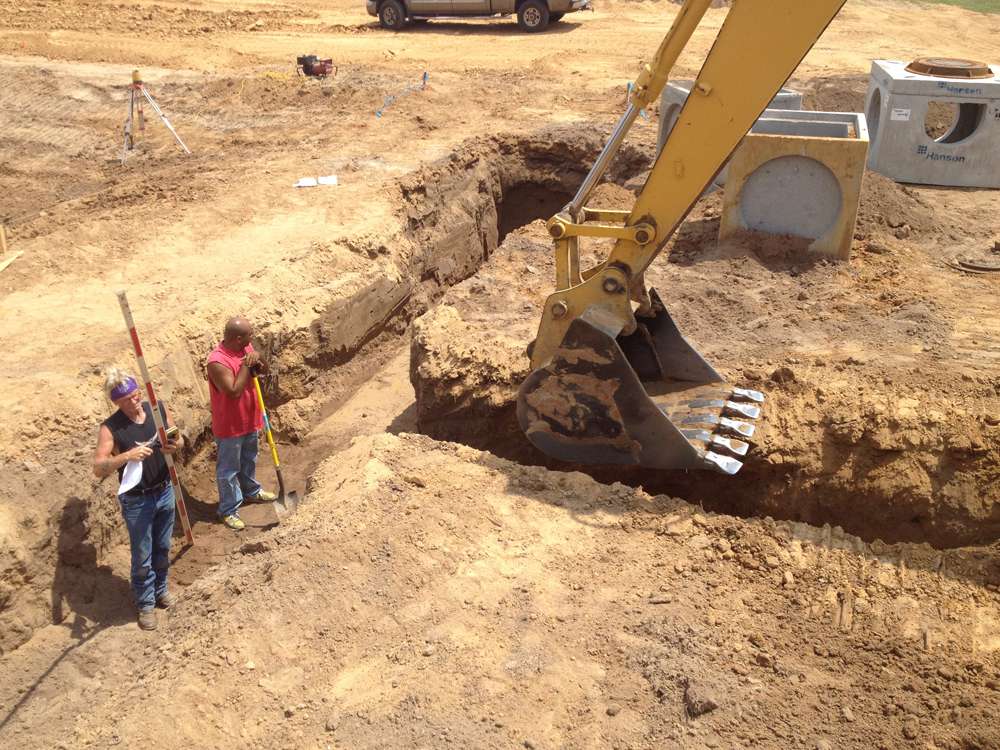
Once we’ve nailed down the problem, we have specific tools to fix it. Here’s what we typically deploy, depending on your situation.
French Drains
We dig a trench, lay a perforated pipe surrounded by gravel, and let it redirect water away from problem areas. It goes to a storm drain, daylight discharge point, or a lower slope. This is our go-to for basements and foundation saturation because it handles subsurface water really well.
Channel Drains (Trench Drains)
These are linear surface drains we install along problem areas to catch water before it pools. We use them around driveways, patios, or low spots where water sits immediately after rain. They work fast and are visible in action.
Yard Regrading
Sometimes the simplest fix is the best one. We adjust your yard’s slope so water naturally moves away from structures instead of toward them. When we pair this with other solutions or use it as a standalone fix, it prevents future problems and is fundamental to long-term drainage success. If you’re thinking about a bigger yard overhaul, check out our comprehensive yard setup checklist to plan the entire project.
Sump Pump Systems
For serious groundwater issues or high water tables, we install submersible pumps in sump pits. They actively pump water out to storm drains or daylight discharge points. It’s the backstop when Mother Nature’s throwing everything at you.
In reality, we often combine solutions. A home with both poor grading and groundwater problems might get regrading, a French drain around the foundation, and a sump pump as backup. We explain each piece and why it matters to your specific situation.
How to Choose a Reliable Drainage Contractor
We get it. You want to hire someone good, not regret it six months later when water’s back. Here’s how to separate contractors who know what they’re doing from those who don’t.
The Non-Negotiables
- Licenses and insurance: We always carry them, and any contractor worth your money will too. Ask for proof of general liability and workers’ compensation coverage. If they hedge or make excuses, walk away.
- References from recent projects: Ask for work they’ve done in your area, preferably in the last year or two. Call those references and ask specific questions: Did the water problem actually go away? Did they show up when they said they would? Would you hire them again?
- Experience with your specific problem: Not all drainage contractors are created equal. Ask how many projects like yours they’ve completed, whether they’ve dealt with your soil type, and if they’ve worked in your neighborhood. Someone who’s tackled clay soil and high water tables ten times over is more valuable than a general contractor dabbling in drainage.
During the Quote Phase
- Get at least three bids: Don’t go with the cheapest option automatically. Compare what each proposal includes, why they recommend what they do, and their timeline. The lowest price usually means they’re cutting corners or missing something important.
- Ask about warranties: Quality contractors back up their work. We guarantee our drainage solutions will resolve standing water problems. If they don’t, we fix it. Find out what the contractor guarantees and what happens if the problem persists. Get it in writing.
- Clarify the scope: Make sure you understand exactly what’s included. Are they removing old drainage systems? Disposing of materials? Restoring the yard afterward? Little things add up.
A good contractor isn’t offended by these questions. They expect them. If someone gets defensive about showing credentials or won’t answer your vetting questions, that’s a signal to look elsewhere.
Why Homeowners Choose Daniel Dean for Drainage Repair
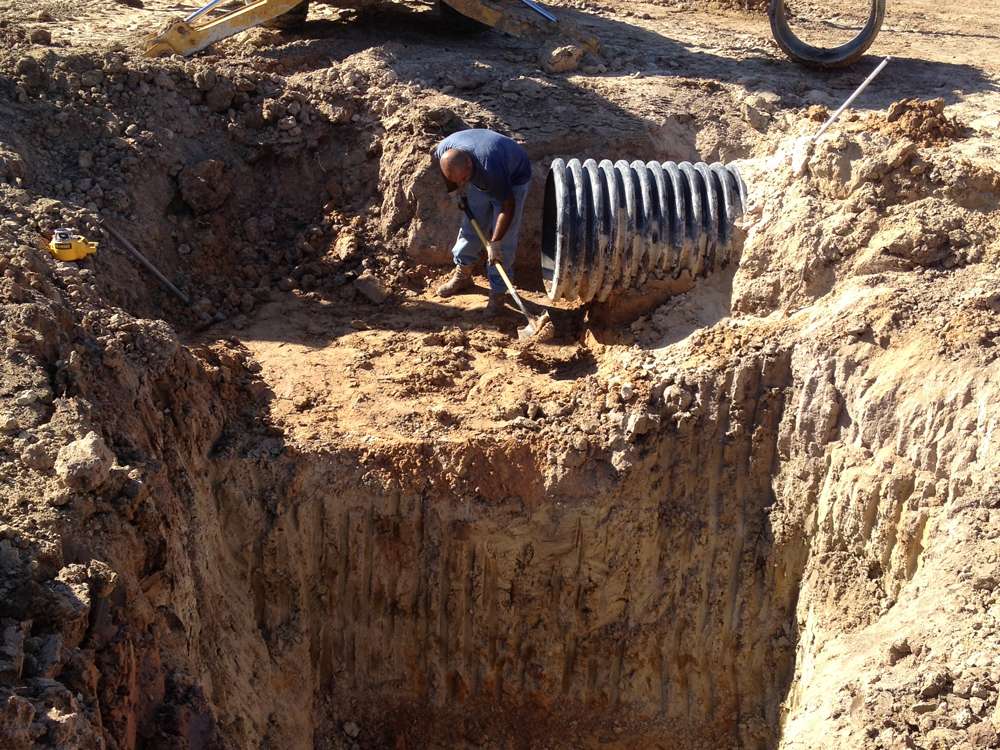
Homeowners searching for drainage repair often start by looking for a drainage company near me, but many discover that not every contractor delivers lasting results. Daniel Dean focuses on long-term solutions that fix the real cause of water problems instead of offering short-term patches. Our team of yard drainage contractors works across Southeast Texas to protect homes from ongoing water damage and poor runoff.
- Full property evaluation to identify drainage issues at the source
- Custom drainage repair solutions based on soil, slope, and water flow
- Installation of proven systems that improve long-term yard performance
- Experience handling complex Texas drainage conditions
Choosing the right team for drainage repair makes a major difference in how well your property handles heavy rain. Daniel Dean brings practical field experience, clear planning, and reliable execution to every project. If you need a drainage company near me that understands local conditions, our yard drainage contractors are ready to help protect your property year-round.
Drainage Repair Costs: What Local Homeowners Are Paying
Let’s talk money. We know budget matters, but it shouldn’t be the only thing driving your decision. The cost of drainage repair varies based on what you need, how big your property is, and what the soil’s like.
| Solution Type | Typical Cost Range | Best For |
| Regrading and Surface Drainage | $1,000 – $3,000 | Fixing slope and water flow issues |
| French Drains | $2,000 – $8,000 | Foundation saturation and subsurface water |
| Channel Drains | $1,500 – $5,000 | Driveways, patios, and surface pooling |
| Sump Pump Systems | $1,500 – $4,000 | High water tables and groundwater issues |
When we combine multiple solutions, costs go up, sometimes to $10,000 to $15,000 for a comprehensive drainage overhaul. But think of it this way: foundation damage runs $20,000 to $100,000+ to fix. Mold remediation costs thousands. Replacing dead landscaping adds up. Spending the money upfront on drainage is actually the smart move.
Many contractors, including us, offer payment plans. We also have seasonal pricing variations. Getting multiple bids shows you what the market actually looks like in your area and helps spot overcharging. The most expensive quote isn’t always the best, but the cheapest almost never is.
Think of your drainage investment as insurance against bigger, costlier problems down the road.
Frequently Asked Questions
How do you unclog an outside drain with standing water?
Standing water usually means a blockage is stopping normal flow. Start by removing visible debris like leaves, dirt, and grass from the drain opening. Flush the drain with a strong stream of water to help push smaller clogs through. If water still does not move, the blockage likely sits deeper in the pipe, which often requires professional equipment to clear it safely.
Why are my drains holding water?
Drains hold water when they cannot move runoff fast enough. This often happens because of clogs, compacted soil around the drainage system, poor slope, or undersized pipes. In many Texas properties, clay soil also slows absorption and makes drainage systems work harder than they should.
Why is the water not going down the drain?
Water stops draining when something blocks the system or disrupts proper flow. Common causes include sediment buildup, root intrusion, collapsed pipes, or improper grading around the drain. In some cases, heavy rain can overwhelm the system temporarily, but ongoing standing water usually points to a deeper drainage issue.
Final Thoughts on Resolving Drainage Problems Permanently
Standing water in Texas rarely improves without intervention. Most cases trace back to grading issues, heavy clay soil, blocked drainage systems, or groundwater pressure. Once you identify the real cause, the right combination of drainage solutions can protect your home, yard, and foundation for years.
If you notice pooling water, soggy soil, or slow-draining areas, schedule a professional evaluation before the damage spreads. Early action helps you avoid costly foundation repairs and long-term landscape loss.
At Daniel Dean, we help homeowners solve drainage issues with tailored solutions that address the root cause, not just the symptoms. We also provide land clearing and related property improvement services across Southeast Texas.
If you have questions or want to get started, reach out to our team here: Contact Daniel Dean.