Sediment Control and How to Stop Soil Loss Before It Gets Worse
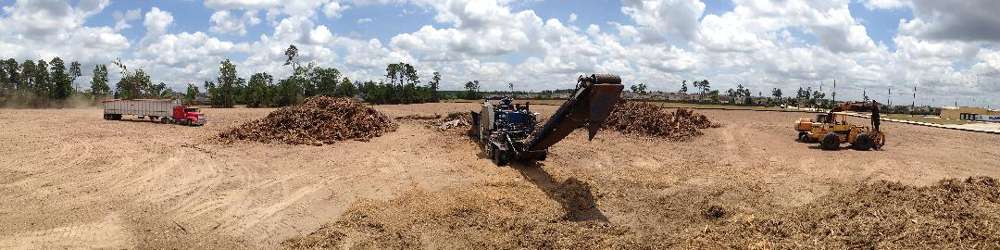
Soil doesn't disappear all at once. It goes a little at a time, a bare patch here, a muddy puddle there, until one day there's a gully where a lawn used to be or a pond that's half the depth it was five years ago. Sediment control is what stops that slow slide before it turns into a real repair bill. This guide covers how to spot the early warning signs, what it actually costs to ignore them, and the techniques that hold soil in place on Texas properties, residential and rural alike.
The short version, the earlier you catch it, the cheaper it is to fix.
A couple of numbers worth knowing first.
- U.S. cropland loses an average of 4.63 tons of soil per acre every year to erosion, according to the USDA's most recent National Resources Inventory (farmdoc daily, University of Illinois).
- Excessive sediment was identified as the leading cause of impairment in the nation's rivers, streams, lakes, and ponds, according to the EPA's National Water Quality Inventory (EPA).
Early Warning Signs of Soil Erosion
Most soil erosion problems are visible well before they become expensive. The trick is knowing what to look for during a normal walk around the property.
- Small channels or rills cutting across a slope after rain, even shallow ones
- Cloudy or muddy runoff collecting at the bottom of a hill or along a fence line after an ordinary storm, not just a major one
- Exposed roots at the base of trees where soil used to sit
- Bare patches on a slope where grass keeps failing to establish
- Small sediment deltas building up against fences, culverts, or at the edge of a pond
- Undercut banks along a pond or creek where the ground has started to overhang the water
Any one of these on its own might not mean much. Two or three showing up in the same area is usually the property telling you it's time to act.
The Real Cost of Ignoring Sediment Control
Skipping sediment control doesn't make the problem go away. It just moves the cost down the road, and usually multiplies it.
| Ignored Long Enough | Typical Result |
|---|---|
| Bare, eroding slope | Full regrading and reseeding instead of a simple reseed |
| Sediment entering a pond | Dredging costs that run into the thousands per acre |
| Runoff crossing a property line | Neighbor disputes or drainage complaints |
| Eroded building pad or driveway base | Structural repair instead of routine maintenance |
| Ongoing sediment in waterways | Habitat and water quality decline for fish and aquatic plants |
There's an environmental cost to unchecked soil erosion too, not just a financial one. Sediment that reaches a pond or stream reduces oxygen levels, smothers vegetation, and clouds water that was clear a season earlier. None of that repairs itself once the sediment settles in.
How Stormwater Runoff Accelerates Erosion
Stormwater runoff is the delivery system behind almost every erosion problem on a property. Rain that would normally soak into healthy ground instead runs across bare or compacted soil, picking up speed and carrying dirt with it.
A few things make stormwater runoff worse than it needs to be.
- Compacted soil from construction or heavy equipment traffic, which absorbs less water than it used to
- Concentrated flow paths, where multiple smaller runoff channels merge into one fast moving stream
- Cleared land without ground cover reestablished yet
- Steep grading without any breaks to slow the water down
The faster water moves across a bare slope, the more soil it's capable of carrying with it downhill.
Proven Techniques for Holding Soil in Place
The right method depends on the site, but a few approaches cover most situations we run into across Texas.
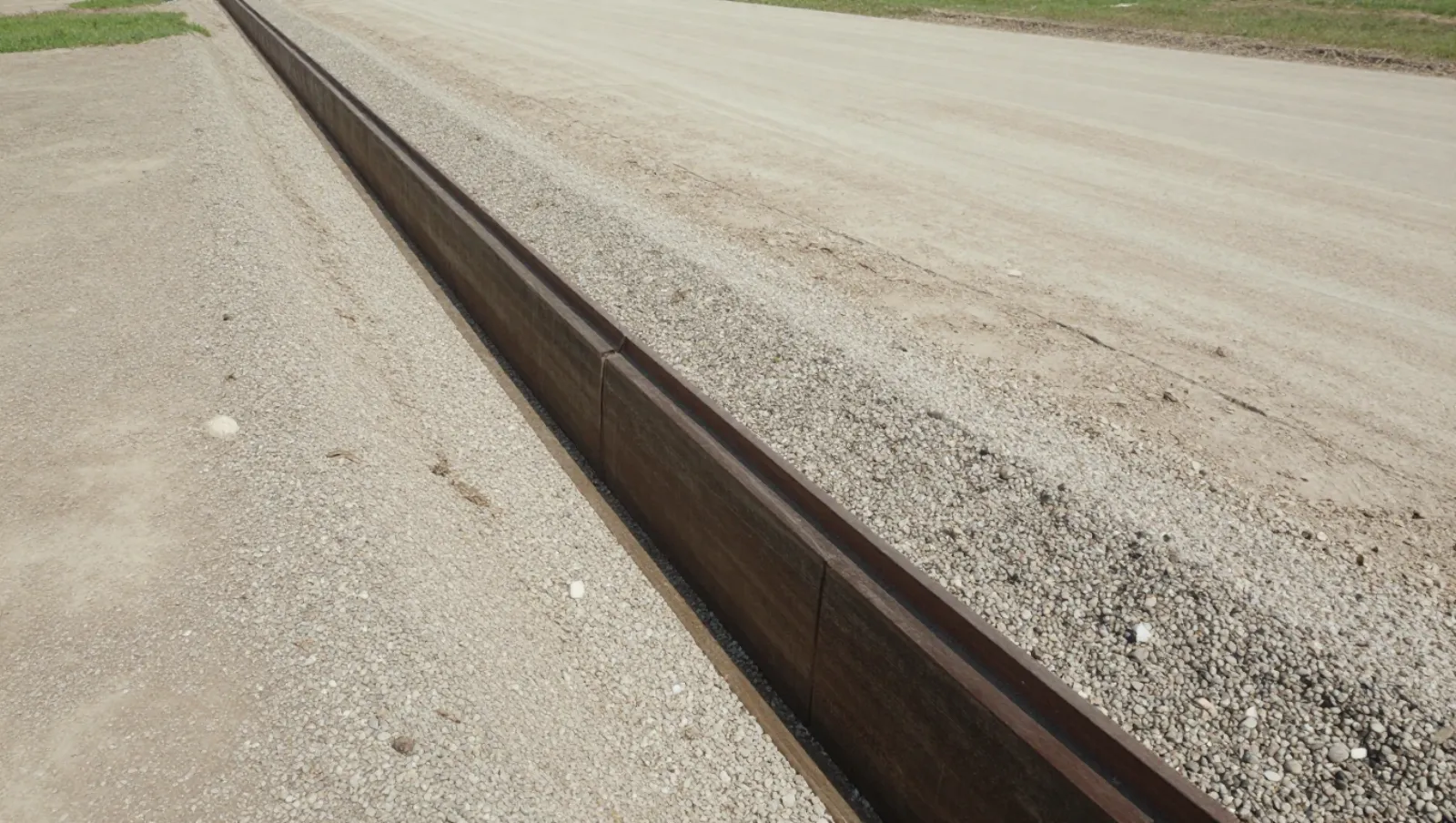
- Silt fencing. A temporary barrier that catches sediment on active construction or excavation sites before it reaches a storm drain, pond, or neighboring property.
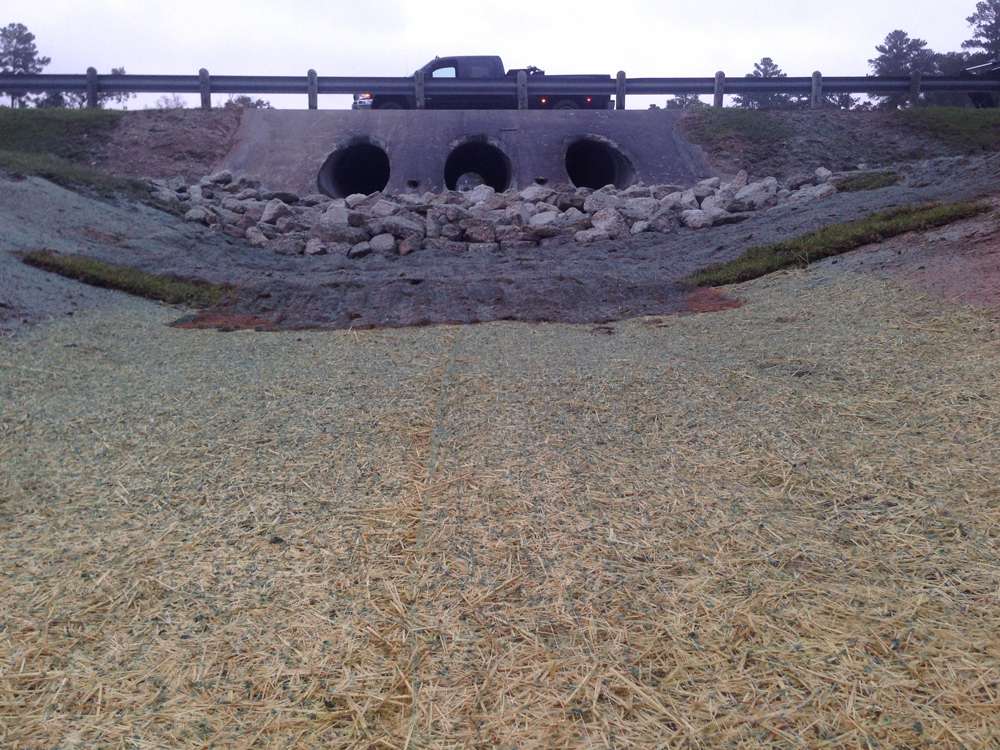
- Erosion matting and blankets. Biodegradable material laid over freshly graded or reseeded slopes to hold soil in place until grass roots take over.
- Terracing and check dams. Small structures placed across a slope or drainage path that slow water down and let sediment drop out before it travels further.
- Riprap and rock armor. Placed at pipe outlets, pond inlets, and other high flow points where water moves fast enough to strip bare soil.
- Revegetation. Grass, native plants, or ground cover reestablished as soon as grading finishes, since roots do more long term good than any temporary barrier.
Most properties need a combination of these rather than just one. A construction site might use silt fencing during the work and revegetation once it's done, while a pond bank might rely on riprap at the inlet and matting along the rest of the shoreline.
Inspection and Maintenance That Actually Prevents Problems
This kind of maintenance isn't a one time installation. It needs a regular check, especially after heavy weather.
- Walk the property after any significant rain, not just once a season
- Check silt fencing and matting for tears, undermining, or spots where water has cut around the edges
- Look at low points and drainage paths for new sediment buildup since the last check
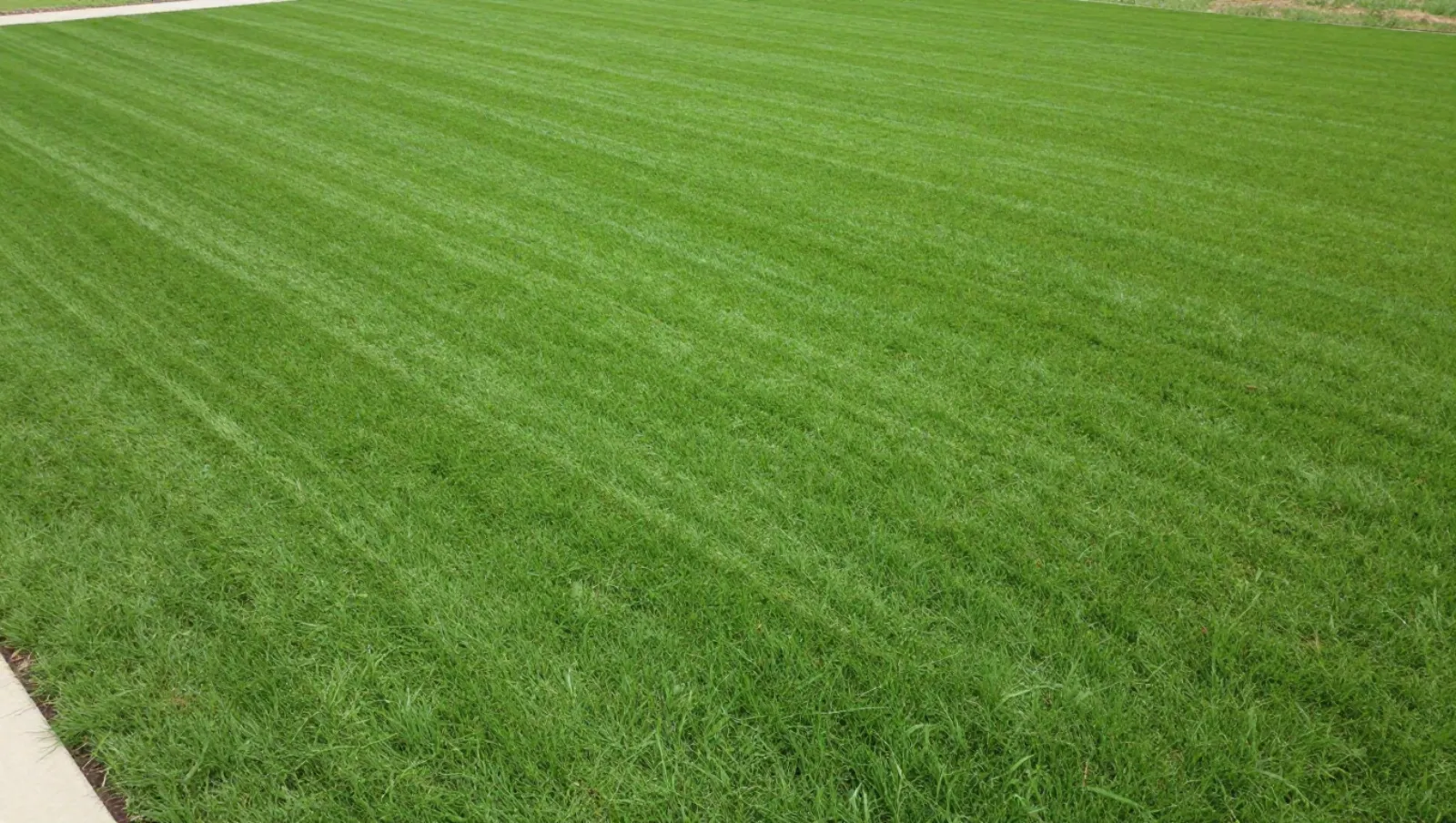
- Reseed bare patches as soon as they appear, before the next storm has a chance to widen them
- Clear debris from pond inlets and outlets so water keeps moving the way it's designed to
Catching a small tear in a silt fence or a thin patch of grass early is a five minute fix. Catching it after a season of neglect usually isn't.
How We Handle Sediment Control on Texas Properties
We've been grading, excavating, and managing erosion on Texas properties for more than 30 years, and most sediment problems we get called out for started small and just never got addressed.
Our approach usually involves reading the site's slope and soil before recommending a fix, since a technique that works on a construction pad doesn't always work on a pond bank. We've written in more detail about some of the specific situations we handle most, includingpond erosion control best practices, our broadererosion control services across Texas, and practical approaches tobuilding durable, erosion resistant pond edges. Construction that disturbs an acre or more is covered by the TCEQ construction stormwater permit, so the erosion controls are a legal requirement on those sites, not just good practice.
Final Thoughts on Sediment Control
Soil loss rarely announces itself with a single dramatic event. It shows up as a thin patch of grass, a little cloudy runoff, a slightly deeper channel each time it rains, and by the time it's obvious, it's usually expensive. Sediment control works best as routine maintenance, not emergency repair, catching small problems while they're still small. If you're noticing bare slopes, muddy runoff, or a pond that's slowly filling with sediment,contact Daniel Dean and we'll take a look before it turns into a bigger project.
About the Author
Daniel Dean has spent more than 30 years grading, excavating, and managing erosion and sediment issues across Texas properties, from residential slopes to full ranch and pond projects. What started as hands on dirt work has grown into a full service land clearing, grading, and site preparation company trusted by homeowners, builders, and developers throughout the Houston region and beyond. The Daniel Dean team writes from firsthand experience walking properties, spotting erosion before it spreads, and fixing it the right way the first time.
Frequently Asked Questions
- What is sediment control?
- Sediment control refers to the methods used to keep loose soil from leaving a site once it's already been disturbed, using tools like silt fencing, matting, and check dams to catch sediment before it reaches a drain, pond, or neighboring property.
- What's the difference between erosion control and sediment control?
- Erosion control focuses on keeping soil from loosening in the first place, through grading, ground cover, and slope management. Sediment control catches soil that's already moving before it causes downstream damage. Most properties need both working together.
- How much does erosion control cost in Texas?
- It varies widely based on the size of the area, the slope, and which techniques are needed, from a few hundred dollars for silt fencing on a small residential slope to several thousand for terracing, matting, or riprap on a larger property.
- How do I stop erosion on a slope?
- Start with ground cover, since grass or native vegetation does more long term work than any temporary barrier. On steeper slopes, terracing or check dams slow water down enough to let it soak in rather than run off and carry soil with it.