Riprap for Erosion Control: Land Clearing & Site Prep Basics
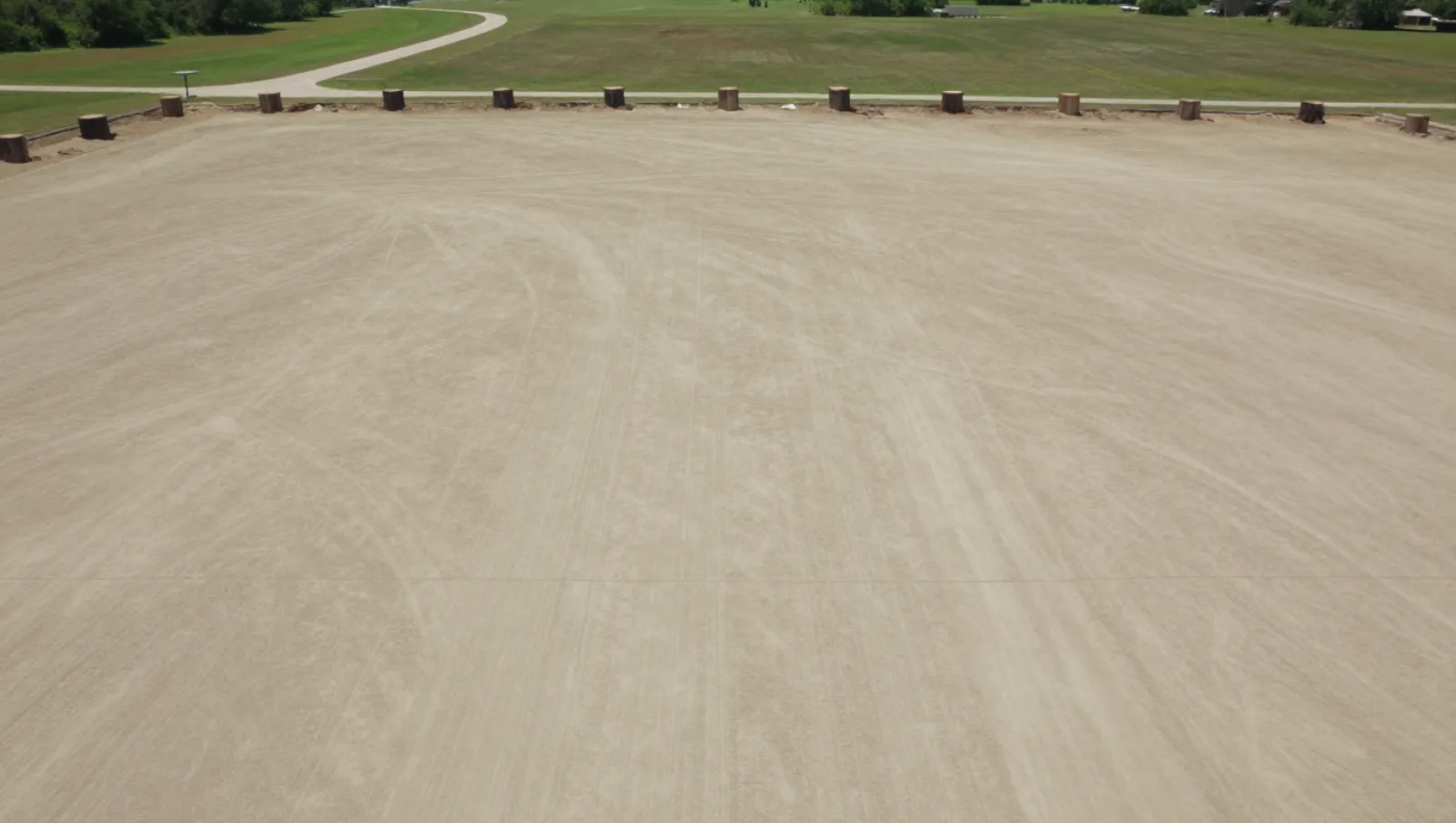
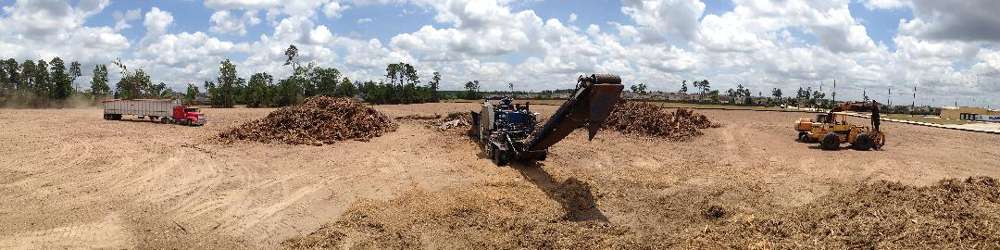
Every new development starts the same way. Trees come down, brush gets cleared, and the ground gets reshaped to make room for a foundation. What most people don't think about is where all that rainwater goes once the natural cover is stripped away. That's where riprap for erosion control stops being an afterthought and becomes part of the plan from day one. At Daniel Dean, we've spent over 30 years clearing land and grading sites across Texas, and we've learned the hard way that skipping this step almost always costs clients more later, usually right after the first big storm. Construction that disturbs an acre or more is covered by the TCEQ construction stormwater permit, so the erosion controls are a legal requirement on those sites, not just good practice.
Simple truth. Planning for erosion during grading is cheaper than fixing erosion after a storm.
A couple of numbers back that up.
- Unmanaged construction sites can lose up to 100 tons of sediment per acre every year once the ground cover is disturbed, according to EPA data cited in theMinnesota Stormwater Manual.
- Sediment pollution from sources like construction runoff causes an estimated$16 billion in environmental damage every year nationwide, according to the EPA.
What Is Riprap for Erosion Control
Riprap is a layer of large, angular stone placed over bare soil to protect it from moving water. It sounds simple, and it mostly is, but the reason it works comes down to friction. Water hitting a smooth dirt slope picks up speed and carries soil along with it. Water hitting a bed of rough, interlocking rock loses energy with every bounce, and that drop in velocity is what keeps the ground underneath from washing away.
We use rock armor like this on slopes, ditch banks, culvert outlets, and anywhere concentrated runoff would otherwise cut a channel into bare ground. It isn't decorative. It's functional protection for the parts of a site where grass and mulch alone won't hold up, especially in that first year before vegetation has a chance to establish itself.
How Land Clearing Changes the Way Water Moves Across a Site
Before a lot gets cleared, tree canopy and underbrush do a lot of quiet work. Leaves and branches break up rainfall before it ever hits the ground, roots hold soil in place, and thick vegetation slows down anything that does start to run downhill.
Onceland clearing removes that cover, sheet flow behaves differently. Rain that used to soak in or trickle slowly now moves fast and in a straighter line, especially after the site has been graded and slopes have been cut into the natural topography. Low points that never saw much water before can suddenly become the path of least resistance for an entire lot's runoff.
Here's a quick look at what actually changes on site.
| Site Condition | Before Land Clearing | After Land Clearing |
|---|---|---|
| Rainfall impact | Softened by canopy and leaf litter | Hits bare soil directly |
| Water absorption | Roots and topsoil soak up runoff | Compacted, cleared ground sheds water fast |
| Flow speed | Slowed by brush and ground cover | Moves quickly across smooth, graded surfaces |
| Flow path | Scattered, absorbed close to where it falls | Concentrated into new low points and cut slopes |
| Erosion risk | Low, soil stays anchored by roots | High, especially on slopes and drainage paths |
This is usually when we start talking with clients about where riprap needs to go, and we'd rather have that conversation before the first slab gets poured than after a slope has already washed out.
Why We Build Riprap Into Our Land Grading Services
A lot of contractors treat grading and erosion control as two separate jobs. Grade the site, hand it off, let someone else worry about drainage later. We don't work that way.
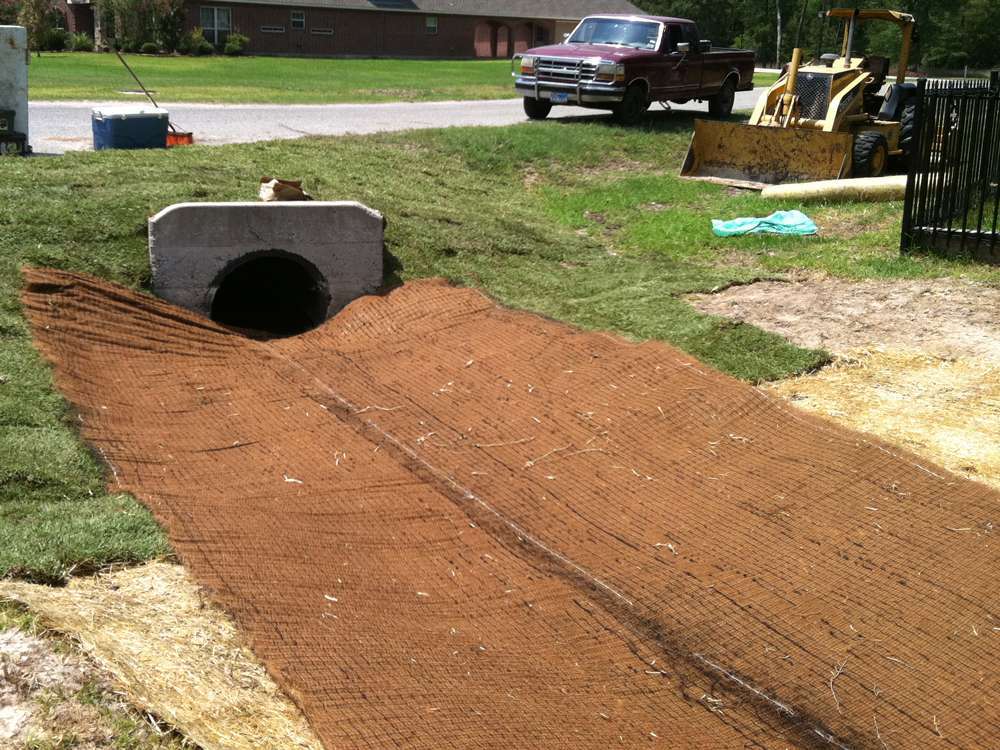
When our crew is out running equipment for site grading, we're already looking at where water will collect once the slopes are cut and the pad is set. If a swale, culvert outlet, or steep cut slope is going to see concentrated flow, we place the rock as part of the same mobilization instead of scheduling a second trip out. It's faster, it's usually cheaper for the client, and nothing gets forgotten between phases.
That's the whole idea behind how we structure our land grading services from day one on site. Clearing, grading, and erosion control aren't three separate line items to us. They're one continuous process, because that's genuinely how water behaves on a real job site.
You can see how this fits into the bigger picture on ourdirt work and site grading services page, where drainage and erosion control are built in rather than tacked on.
Rock Slope Protection in a Grading Plan
Rock slope protection isn't limited to riverbanks and dams, even though that's where a lot of people picture it first. On a construction site, the same principle applies anywhere runoff picks up speed.
We typically recommend it in spots like these.
- Cut and fill slopes steeper than what vegetation can hold on its own
- Culvert and storm drain inlets and outlets
- Roadside ditches and drainage channels
- Detention and retention pond banks
- Areas below slope drains where water exits at high velocity
Not every slope needs this level of protection. If the grade is gentle and the flow is light, seed and mulch will usually do the job for a lot less money. We'd rather tell a client that upfront than sell rock they don't actually need.
Sizing, Slope, and Installation Basics
Riprap isn't just dumped rock. A few details make the difference between a section that lasts decades and one that fails in the first big storm.
Slope matters most. Once a bank is steeper than a 2 to 1 ratio, loose rock tends to slide instead of interlock, so steeper grades usually call for a different approach, like gabions or grouted rock, instead.
Stone size matters too. Faster, higher-volume water needs bigger rock. A slow drainage ditch might only need stones a few inches across, while a high-velocity culvert outlet could call for rock over a foot in diameter.
A few other basics we always follow on site grading jobs.
- Use a well-graded mix of stone sizes instead of one uniform size, so the layer locks together tightly
- Install a geotextile fabric or a gravel bed underneath to keep soil from washing out through the gaps
- Place stone starting at the bottom of the slope and work upward for a stable, interlocked layer
- Avoid dropping stone from too great a height during placement, since it can tear the fabric underneath
Where Riprap Fits Alongside Detention and Retention Ponds
A lot of commercial grading projects include a detention or retention pond, since most counties and municipalities require somewhere for runoff to go before it reaches a natural waterway. Riprap gets used at the pond's inlet and outlet points and along the banks, because that's where water enters and exits fastest and where erosion is most likely to start.
Even with good rock protection in place, ponds still collect sediment over time, especially in the first year or two after a site is developed. If a pond starts silting in faster than expected, it helps to understandwhat actually causes pond sludge buildup and how to fix it before it turns into a bigger maintenance problem.
Some residential clients ask us about adding a pond as a feature rather than a drainage requirement. If that's the direction you're headed, it's worth knowingwhat a pond actually costs to dig and whether DIY or professional excavation makes more sense for your budget. And if the goal is a softer, more natural look around the water's edge instead of exposed rock everywhere, pairing riprap with plantings is a real option. We've coveredaquatic vegetation choices for DIY ponds and thepros and cons of artificial pond plants in past posts, and either one can soften the edge of a riprap installation without giving up the erosion protection.
Final Thoughts on Riprap for Erosion Control
Erosion control isn't something to figure out after storm damage shows up on a new site. It's a decision that should get made while the excavator is still on the property, right alongside every other grading call. Land clearing and grading change how water moves across a property, and riprap is one of the most reliable ways to keep that change from turning into a drainage problem or a fine from the county down the road.
If you're planning a new build and want land grading services that treat drainage and erosion control as part of the same process instead of an afterthought,reach out to our team and we'll walk the site with you. We've been doing this work for over 30 years, and we'd genuinely rather answer your questions now than help you fix a washed-out slope later.
About the Author
This article comes from the team at Daniel Dean, a Texas-based land clearing and dirt work company with more than 20 years of hands-on experience in land clearing, grading, drainage, and erosion control across the Houston and Conroe area. We write from what we've actually built in the field, not from a desk.
Frequently Asked Questions
- What is riprap used for in erosion control?
- Riprap for erosion control is used to armor soil in spots where water moves too fast for grass or mulch to hold it in place, including slopes, ditches, channel banks, and culvert outlets.
- How long does riprap last?
- When it's installed correctly, with proper stone gradation and a geotextile layer underneath, riprap can last for decades with very little maintenance. Most failures come from poor installation rather than the rock itself wearing out.
- How much does riprap cost per cubic yard?
- Pricing varies a lot by stone size, type, and placement method, and it is quoted by the linear foot or square foot of bank once we know which of those you need. Larger stone and hand-placed installations sit at the higher end; machine-placed smaller stone is the cheapest way to armor a bank.
- Can riprap be used on steep slopes?
- Up to about a 2 to 1 slope, yes. Beyond that, loose stone tends to slide out of place, and it's usually better to look at gabions, grouted riprap, or mechanical soil stabilization instead.