How to Dredge a Pond: Complete Guide
How to dredge a pond is essential knowledge for property owners dealing with sediment buildup and shallow water issues. Pond dredging removes accumulated debris, restores depth, and improves water quality. This guide covers dredging methods, costs, and professional services to help you make the right decision for your pond restoration project.
How to Dredge a Pond: Understanding the Process
How to dredge a pond involves removing accumulated sediment, debris, and organic matter from the bottom to restore proper depth and water quality. Over time, ponds naturally fill with leaves, soil runoff, and decomposed material that reduces water depth and creates poor conditions for fish and wildlife.
The dredging process varies based on pond size, sediment type, and access. Small ponds may need simple equipment while larger water features require professional machinery. Understanding your specific situation helps determine the best approach.
Proper pond dredging improves water circulation, reduces algae growth, and creates better habitat for aquatic life. It also prevents complete pond filling that would eventually turn your water feature into a wetland or dry area.
How Do You Dredge a Pond: Methods and Techniques
Manual Dredging for Small Ponds
How do you dredge a pond manually? Small ponds under half an acre can often be dredged using basic equipment. For Lake Conroe residents and property owners throughout Montgomery County, understanding manual methods helps determine project feasibility.
Manual dredging works best for ponds with 1-3 feet of sediment buildup and good equipment access around the perimeter. Daniel Dean serves Lake Conroe, Willis, Montgomery, and surrounding areas with both manual and mechanical dredging solutions.
Mechanical Pond Dredging
Larger ponds require professional mechanical dredging throughout Southeast Texas:
| Equipment Type | Best For |
|---|---|
| Long-reach excavator | Medium ponds, good access |
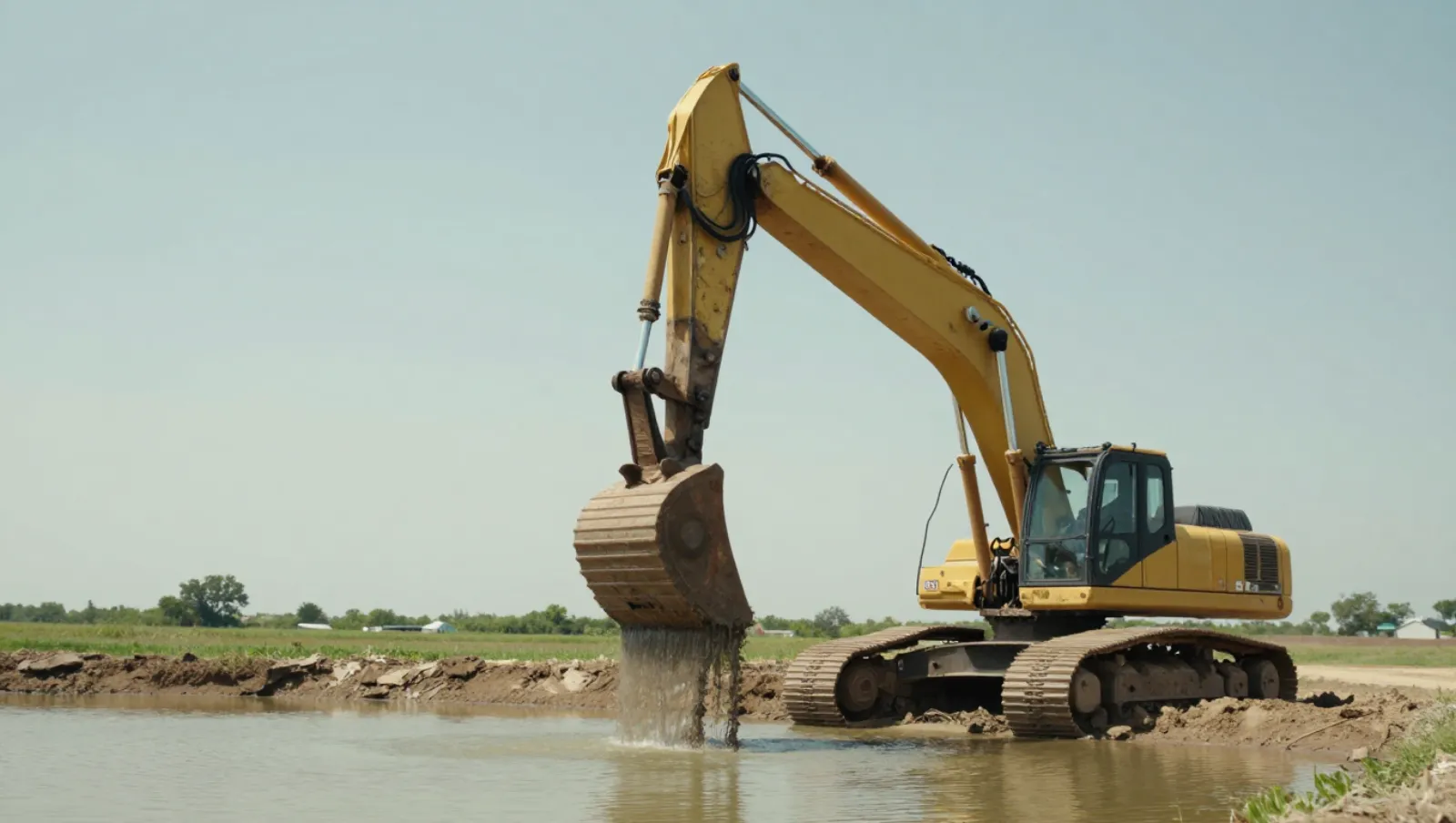
| Amphibious excavator | Any size, marsh access |
| Hydraulic dredge | Large ponds, wet dredging |
Professional contractors like Daniel Dean use specialized pond dredging equipment designed for aquatic environments throughout Houston, Katy, Sugar Land, The Woodlands, Lake Conroe, Willis, Montgomery, Huntsville, and surrounding Southeast Texas communities. His land clearing and excavation services provide comprehensive site preparation and pond restoration solutions. Whether a permit applies depends on if the water body is isolated or connects to a stream or wetland — the EPA explains the distinction in its Section 404 permit program.
Hydraulic Dredging Process
Hydraulic dredging pumps sediment and water mixture through pipes to disposal areas. This method works well for soft sediments common in Lake Conroe area properties and allows continuous operation without completely draining the pond.
Can You Dredge a Pond Without Draining It?
Can you dredge a pond without draining it? Yes, several methods allow dredging while maintaining water levels. This approach is particularly valuable for Lake Conroe residents who want to preserve fish populations and maintain pond ecosystems.
Wet Dredging Advantages
Benefits of dredging without draining:
- Fish survival: Aquatic life remains in natural habitat
- Time savings: No waiting for pond to refill
- Environmental protection: Maintains ecosystem balance
- Cost efficiency: Eliminates pumping and refilling expenses
Wet Dredging Methods
Hydraulic dredging is the most common wet method throughout Southeast Texas. The process works best with soft sediments common in Montgomery County, Harris County, and surrounding areas. Amphibious excavators can work directly in water using specialized equipment.
Daniel Dean’s pond dredging services include both wet and dry dredging methods for Lake Conroe, Willis, Montgomery, Huntsville, Livingston, Cleveland, and throughout Southeast Texas depending on specific pond conditions. His professional excavation and land clearing expertise ensures optimal results for every project.
How Much Does It Cost to Dredge a Pond
How much does it cost to dredge a pond depends on multiple factors including size, depth, access, and sediment type. No two ponds have built up the same amount of muck, and you cannot tell how much is down there from the bank, so we quote it after we look at the water.
Pond Dredging Cost Factors
| Cost Factor | Why It Moves the Price |
|---|---|
| Pond size | More surface area means more passes and more material to move |
| Sediment depth | How much muck is down there changes the scope more than the acreage does |
| Access difficulty | Getting equipment to the bank drives mobilization and setup |
| Disposal method | Spreading spoil on site costs far less than loading and hauling it off |
How Long Dredging Takes by Pond Size
How Much to Dredge a Pond by Size
Small ponds (under 1 acre):
- Timeline: 2-5 days depending on sediment
Medium ponds (1-3 acres):
- Timeline: 1-2 weeks for complete dredging
Large ponds (3+ acres):
- Timeline: 2-6 weeks depending on complexity
Getting a Number for Your Pond
We do not quote pond dredging from a price list, because the four factors above land differently on every pond. In Lake Conroe, Willis, Montgomery, Huntsville, Livingston, Cleveland, Houston, Katy, Sugar Land, The Woodlands, Cypress, Spring, Tomball, Conroe, and Magnolia, we come look at the water, check how deep the sediment actually runs, and quote the job. The estimate is free.
Daniel Dean’s extensive excavation experience throughout Montgomery County, Harris County, Walker County, and surrounding Southeast Texas areas ensures competitive pricing and efficient project completion for all pond sizes. His comprehensive land services include pond dredging, site preparation, and ongoing maintenance.
Regional cost considerations specific to Southeast Texas:
- Clay soil: Common throughout Lake Conroe area, increases dredging difficulty
- Access challenges: Rural properties in Montgomery County may have limited equipment access
- Disposal options: On-site use vs. off-site hauling affects total cost in Southeast Texas
- Seasonal factors: Weather and equipment availability impact scheduling
Professional Pond Dredging Services in Southeast Texas
Why Choose Daniel Dean for Lake Conroe Area Pond Dredging
Daniel Dean brings 30+ years of pond dredging experience to projects throughout Southeast Texas. His professional land clearing and excavation services extend throughout Lake Conroe, Willis, Montgomery, Huntsville, Livingston, Cleveland, and all surrounding communities.
Specialized services for Southeast Texas residents:
- Lake Conroe pond dredging: Deep understanding of local soil conditions and regulations
- Montgomery County excavation: Proven track record in rural and residential properties
- Harris County compliance: Knowledge of environmental regulations and permit requirements
- Walker County pond services: Serving Huntsville and surrounding rural areas
- Liberty County coverage: Including Cleveland, Livingston, and lake communities
Equipment and Expertise
Daniel Dean uses professional pond dredging equipment designed specifically for Southeast Texas pond conditions:
- Long-reach excavators for medium ponds with good access
- Amphibious excavators for direct water work in any size pond
- Hydraulic dredges for large-scale sediment removal
- Sediment containment systems for environmental protection
Comprehensive Pond Services
Beyond pond dredging, Daniel Dean provides complete pond and lake services throughout Southeast Texas:
- Pond construction: New pond creation and design
- Drainage solutions: Preventing future sediment problems
- Site preparation and dirt work: Complete excavation services
- Ongoing maintenance: Regular sediment monitoring and management
Environmental Considerations for Southeast Texas
Regulatory Requirements
Pond dredging in Southeast Texas may require permits from various agencies. Daniel Dean ensures all projects comply with EPA Clean Water Act regulations and local requirements throughout Lake Conroe, Montgomery County, Harris County, and surrounding areas.
Key permitting authorities include:

- U.S. Army Corps of Engineers: Required for Section 404 permits when dredging waters of the United States
- Texas Commission on Environmental Quality (TCEQ): State-level water quality permits
- Local authorities: Municipal permits for sediment disposal and site access
Farm Pond Exemptions
Many Southeast Texas pond dredging projects qualify for Section 404 exemptions under federal regulations. Farm or stock ponds used for agricultural purposes often require no federal permits for maintenance dredging, making projects more cost-effective for rural Lake Conroe area properties.
Best Practices for Southeast Texas Ponds
Environmental protection specific to the region:
- Sediment testing: Checking for contamination before disposal
- Fish protection: Timing work to avoid spawning seasons in Southeast Texas
- Water quality: Maintaining ecosystem health during dredging
- Erosion control: Preventing sediment runoff common to the area
When to Call Professional Services
Lake Conroe and Southeast Texas Considerations
Consider professional pond dredging services when:
- Pond exceeds 1 acre in size throughout Southeast Texas
- Sediment depth greater than 3 feet in Lake Conroe area
- Limited equipment access on rural Montgomery County properties
- Environmental permits required in Harris County or surrounding areas
- Hard clay sediments common to Southeast Texas present
Choosing Daniel Dean for Your Project
Why Lake Conroe residents choose Daniel Dean for pond dredging:
- Local expertise: Born and raised in Montgomery County with deep regional knowledge
- Proven results: Verified testimonials from Southeast Texas pond dredging clients
- Complete service: From assessment through final restoration and ongoing maintenance
- Environmental compliance: Understanding of federal dredging regulations and local requirements
- Competitive pricing: Fair rates for pond dredging in Lake Conroe and surrounding areas
Bottom Line: Expert Pond Dredging for Southeast Texas
How to dredge a pond successfully in Southeast Texas requires understanding regional conditions and choosing experienced contractors. Lake Conroe residents and property owners throughout Montgomery County, Harris County, and surrounding areas benefit from Daniel Dean’s local expertise.
Key Benefits for Southeast Texas Residents:
- Local pond dredging knowledge: Understanding of Lake Conroe area soil and environmental conditions
- Complete excavation service: From initial assessment through final restoration
- Regulatory compliance: Proper permitting and environmental protection
- Proven pond dredging results: 30+ years serving Southeast Texas pond owners
Investment Protection:
- Professional assessment determines optimal approach for Southeast Texas conditions
- Quality equipment ensures efficient completion in Lake Conroe area
- Environmental compliance prevents violations throughout Southeast Texas
- Long-term value maintains property investment and pond function
Don’t let sediment buildup destroy your pond’s beauty and function. Lake Conroe residents and Southeast Texas property owners trust Daniel Dean’s expertise for comprehensive pond dredging services that restore depth, improve water quality, and enhance property value.
Contact Daniel Dean today for your pond dredging consultation throughout Lake Conroe, Willis, Montgomery, Huntsville, Houston, and all Southeast Texas communities. Transform your sediment-filled pond into a beautiful, functional water feature that provides years of enjoyment.
Frequently Asked Questions
- How often should you dredge a pond in Southeast Texas?
- Most ponds in the Lake Conroe area need dredging every 10-20 years depending on sediment accumulation rates. Southeast Texas clay soil and organic debris affect timing, making professional assessment valuable.
- What happens to sediment after dredging in Montgomery County?
- Dredged sediment can often be used beneficially as fill material throughout Southeast Texas properties if uncontaminated. Daniel Dean helps determine best disposal options for Lake Conroe area projects.
- How much does it cost to dredge a pond near Lake Conroe?
- Pond dredging in the Lake Conroe area is priced by the cubic yard of material removed, not from a published price list. Sediment depth, access difficulty, and where the spoil goes are what move the number, and the only way to know them is to look at the pond. The estimate is free.
- Will dredging harm fish in Southeast Texas ponds?
- Proper dredging techniques minimize fish stress through careful timing and methods appropriate for Southeast Texas conditions. Daniel Dean’s wet dredging methods protect aquatic life while restoring pond depth.