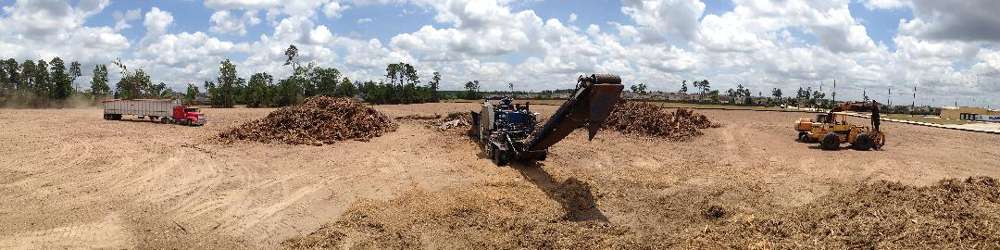
What Is Land Clearing? How It Prepares Land for Development
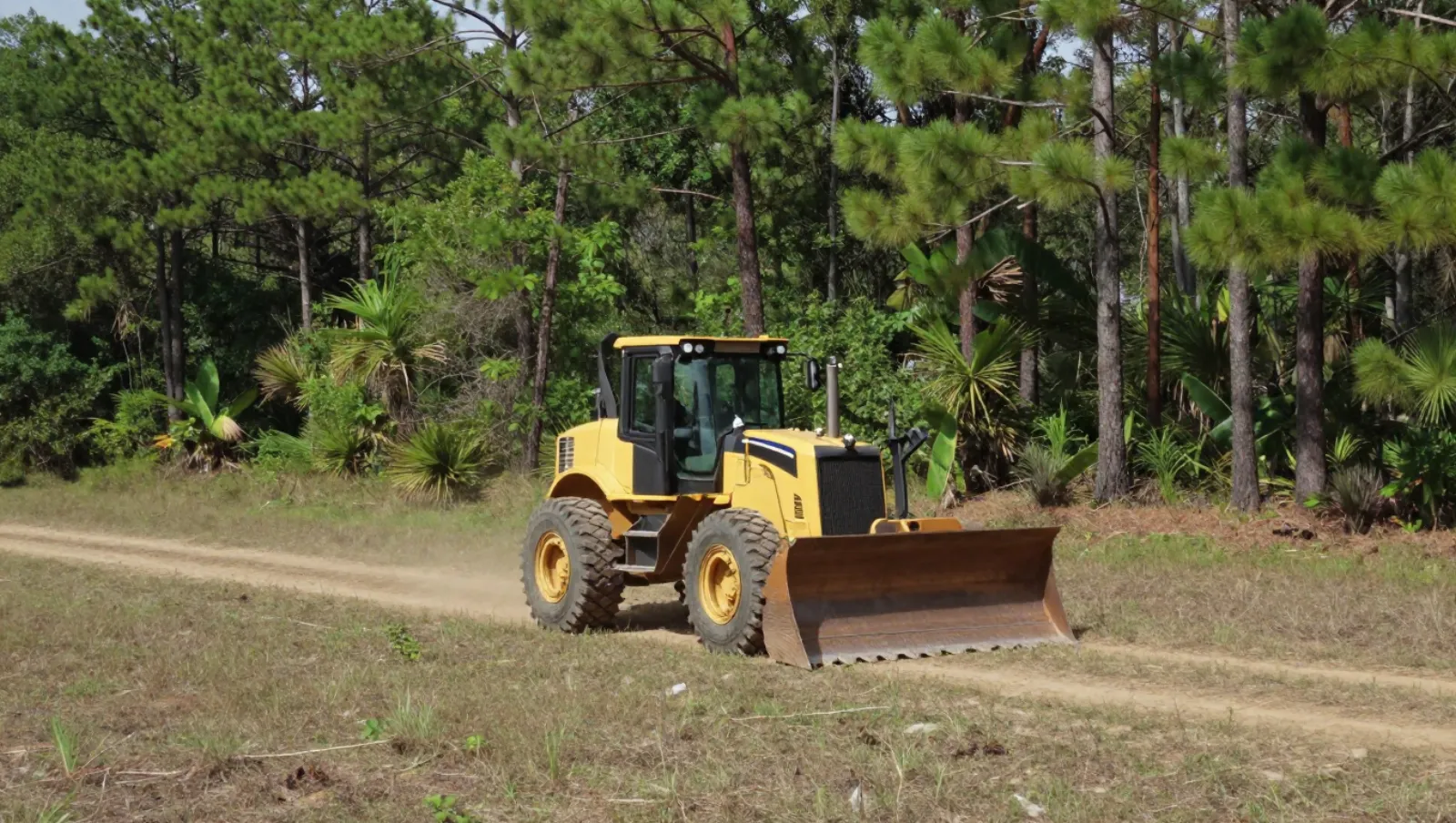
Have you ever looked at an overgrown piece of land and wondered what it takes to transform it into a buildable site? Land clearing is the first crucial step in land development, ensuring a property is free from trees, rocks, and debris before construction begins.
Cost depends far more on the method and on what happens to the debris than on the size of the lot. Forestry mulching, which grinds standing brush in place and leaves nothing to haul, runs about $2,700 to $3,500 per acre. Dozer clearing runs $4,250 to $5,800 per acre when the debris is bladed off to the side, $6,000 to $8,200 per acre when it is ground up in one spot on site, and $8,000 to $11,000 per acre when it has to be hauled off the property. Larger tracts pay the low end of each range. Without proper site preparation, unexpected obstacles can lead to delays and increased expenses. These rates are for brush and small trees up to 5 inches across. Larger trees, and pulling stumps out with an excavator, are quoted separately after we walk the property.
In this blog post, we’ll explore what is land clearing, the different methods used, key environmental considerations, and how this process sets the foundation for successful land development.
What Is Land Clearing?
Land clearing is the process of removing trees, shrubs, rocks, and other obstructions from a piece of land to prepare it for land development. Whether for residential, commercial, or agricultural purposes, this step is essential for ensuring a stable foundation and preventing future construction challenges. Without proper site preparation, uneven terrain, excessive vegetation, and hidden hazards can cause costly delays.
When clearing land for development, professionals use various techniques to remove debris while minimizing environmental disruption. The process can involve selective clearing, which retains specific trees and vegetation to preserve the ecosystem, or complete clearing, which removes all obstacles to create an open space for construction.
For those wondering, what is the process of land clearing for construction?, the answer depends on factors such as land size, soil condition, and environmental regulations. Understanding the different methods of land clearing and the environmental considerations for land clearing ensures the project is efficient, compliant, and cost-effective.
Why Land Clearing Is Crucial for Development
Successful land development begins with proper site preparation, and land clearing is a critical step in ensuring a property is ready for construction. Failing to clear a site properly can result in unstable soil, drainage issues, and hidden obstacles that delay projects and increase costs. Developers and property owners must understand why clearing land is essential for a smooth and efficient building process.
1. Creates a Buildable Surface
A construction project is only as strong as its foundation. Land clearing removes obstructions like trees, boulders, and undergrowth, creating a smooth and stable surface for infrastructure. If a site is not adequately prepared, soil shifting can occur, leading to foundation cracks, structural instability, and expensive repairs.
In addition to clearing debris, proper grading is crucial. Grading ensures the land is level, which prevents uneven settling and improves the long-term integrity of buildings, roads, and utility systems. Without this step, developers risk costly rework that could set a project back by weeks or even months.
2. Reduces Safety Risks
Uncleared land presents numerous hazards that can pose risks to workers, equipment, and future residents. Hidden tree stumps, unstable soil, and underground obstructions can cause construction delays and accidents. Dead or diseased trees can also collapse unexpectedly, damaging machinery and putting crews in danger.
By removing these hazards before construction begins, developers can ensure a safer work environment and reduce the likelihood of project setbacks. This proactive approach not only minimizes liabilities but also enhances overall efficiency.
3. Improves Drainage
Poor drainage is a significant concern in land development. If water is not properly managed, it can lead to erosion, soil instability, and flooding. Without land clearing, dense vegetation and uneven terrain can trap water, causing long-term damage to structures and foundations.
By strategically clearing vegetation and grading the land, water can be directed away from key areas, preventing excessive moisture buildup. This helps maintain soil integrity and reduces the risk of erosion, ensuring that roads, foundations, and landscaping remain structurally sound for years to come.
4. Enhances Accessibility
A construction site needs to be easily accessible for heavy machinery, trucks, and workers. Overgrown vegetation and rocky terrain can make it difficult to transport materials and operate equipment efficiently. Clearing land for development ensures that roads, staging areas, and workspaces are open and navigable, preventing costly delays caused by logistical challenges.
Efficient accessibility also means that projects can progress smoothly, with materials being delivered on schedule and work being completed without unnecessary obstacles. This ultimately translates to lower labor costs and improved project timelines.
5. Ensures Compliance with Environmental Regulations
Developers must consider environmental considerations for land clearing to avoid legal issues and fines. Many regions have strict regulations on tree removal, erosion control, and habitat preservation. Failing to comply with these regulations can result in penalties, delays, and costly remediation efforts.
Before starting any land clearing project, it’s essential to understand what is the process of land clearing for construction and how local regulations impact site preparation. Developers should work with professionals who understand permit requirements, erosion control best practices, and sustainable clearing methods to minimize environmental impact.
Common Land Clearing Methods
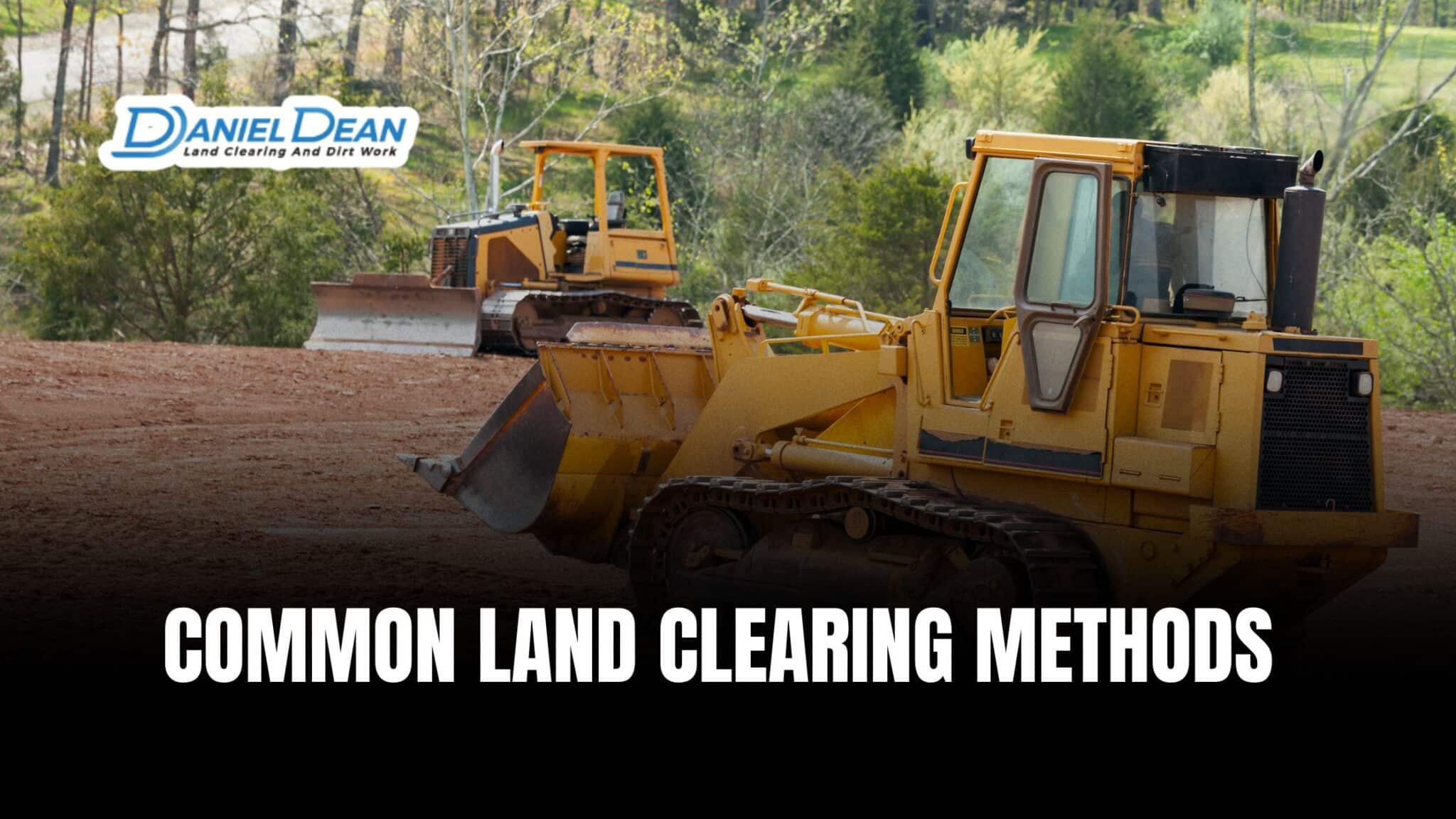
What Is Land Clearing? When preparing a site for land development, selecting the right land clearing method is crucial. The most effective technique depends on factors such as the site’s size, terrain, vegetation density, and intended use. Whether clearing land for development on a small residential lot or a large commercial property, different methods offer unique advantages in terms of cost, efficiency, and environmental impact.
Understanding these techniques is essential for proper site preparation, ensuring the land is ready for construction while maintaining sustainability. Below are some of the most commonly used land clearing methods.
1. Cut and Grind
The cut and grind method is a two-step process that involves cutting down trees and brush, followed by grinding the debris into mulch. This method is commonly used for clearing land for development when selective removal of vegetation is required. The resulting mulch can be repurposed for erosion control or landscaping, making this an environmentally friendly option.
This method is ideal for areas with moderate vegetation density, but it may not be suitable for land with large, deeply rooted trees. It also requires specialized grinding equipment, which can add to the overall cost.
2. Pushover (Bulldozing)
Pushover clearing, also known as bulldozing, is one of the most aggressive methods of land clearing. Using heavy machinery such as bulldozers and excavators, trees, brush, and rocks are pushed out of the ground, completely clearing the site. This method is effective for large-scale site preparation, especially when a completely bare surface is needed for construction.
However, bulldozing can lead to soil compaction and increased erosion if not managed properly. In some cases, additional grading and soil stabilization efforts are required after the clearing process.
3. Burning
Controlled burning is a fast and cost-effective way to remove unwanted vegetation. This method involves intentionally setting fire to brush and trees, reducing them to ash. It is particularly useful in rural areas with large amounts of dry vegetation that need to be cleared quickly.
However, burning is heavily regulated due to environmental and safety concerns. Property owners must obtain permits and follow strict guidelines to prevent wildfires. Additionally, environmental considerations for land clearing make this method less desirable in areas with high air pollution concerns.
4. Chemical Clearing
Chemical clearing uses herbicides to kill unwanted vegetation over a large area. This method is commonly used in agriculture or for long-term vegetation management in areas where mechanical clearing is impractical. Herbicides prevent regrowth, making this method particularly effective for invasive species control.
While chemical clearing is effective, it raises concerns about soil contamination and groundwater pollution. Landowners must ensure that herbicides used are environmentally safe and comply with local regulations.
5. Mulching
Mulching is a sustainable land clearing technique that uses a forestry mulcher to grind trees, shrubs, and undergrowth into fine mulch. This mulch is then left on-site to act as a natural ground cover, helping to prevent soil erosion and retain moisture.
This method is highly effective for site preparation in areas with moderate vegetation, as it clears land without disturbing the soil structure. It also eliminates the need for burning or hauling away debris, reducing disposal costs. However, mulching is not ideal for sites that require deep-rooted tree removal, as stumps and large roots remain in place.
Choosing the Right Land Clearing Method
What Is Land Clearing, and which method is best for your project? The answer depends on several factors, including cost, environmental impact, and the specific needs of the site. Selecting the right technique is essential for efficient site preparation and successful land development.
When deciding on a land clearing method, consider the following:
- Project Scope: Clearing land for development on a small residential lot may require different techniques than clearing acres for commercial or agricultural use.
- Cost Factors: How much does land clearing cost for a residential property? The price varies based on the method, with mulching being a more affordable option, while bulldozing and excavation tend to be more expensive.
- Environmental Impact: Some techniques, like controlled burning and chemical clearing, require regulatory approval due to potential environmental concerns. Mulching, on the other hand, helps retain soil nutrients.
- Site Conditions: Terrain, soil type, and the presence of large trees or rocks influence the choice of clearing method.
By carefully evaluating these factors, property owners can ensure that what is the process of land clearing for construction aligns with their budget and sustainability goals, setting the stage for a smooth land development process.
Key Considerations Before Clearing Land
Before beginning any land clearing project, careful planning is essential to ensure compliance, cost-effectiveness, and environmental responsibility. Overlooking key factors can lead to unexpected expenses, project delays, or even legal issues.
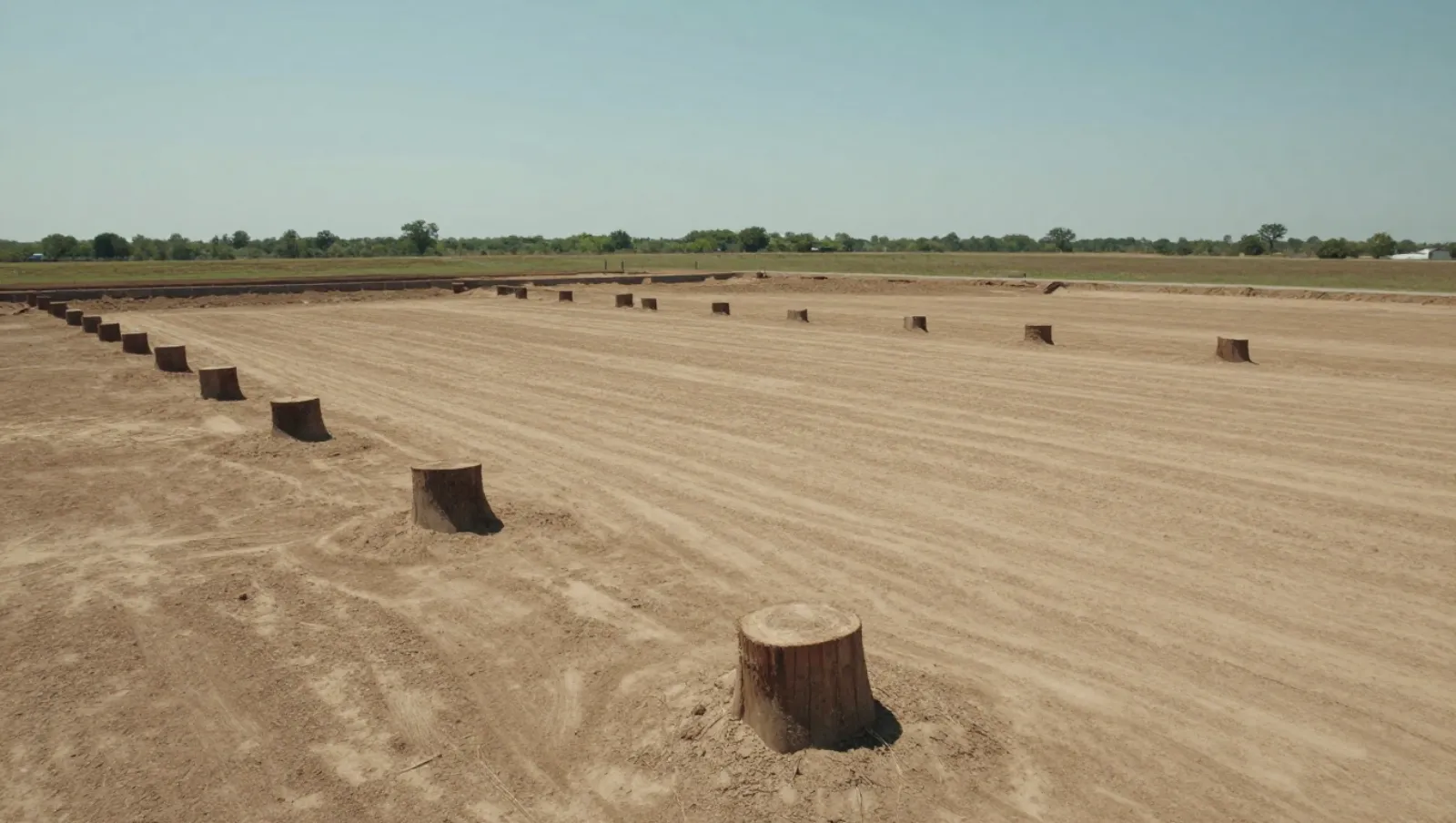
Here are the most important considerations to address before clearing land for development.
1. Environmental Impact and Regulations
What are the environmental considerations for land clearing? Landowners must evaluate how their project affects local ecosystems, soil stability, and water quality. Many areas have regulations protecting certain tree species, wetlands, and wildlife habitats. Failing to comply with these laws can result in hefty fines or delays in the site preparation process.
2. Cost Estimation and Budget Planning
One of the most common questions is: How much does land clearing cost for a residential property? Costs vary significantly based on factors such as:
- Size of the land – Larger plots require more labor and equipment.
- Terrain and vegetation density – Heavily wooded areas or rocky terrain increase costs.
- Permits and disposal fees – Some local governments require permits for land clearing, adding to the overall expenses.
On average, land clearing costs can range from a few thousand dollars for small residential lots to tens of thousands for large, heavily forested areas.
3. Permits and Legal Compliance
Before starting, check with local authorities regarding necessary permits. Some municipalities have strict rules on tree removal, grading, and erosion control. Non-compliance can lead to costly fines or mandatory reforestation efforts. Ensuring your project aligns with zoning laws is crucial for smooth land development.
4. Soil and Drainage Assessment
Understanding the soil composition and natural drainage patterns is vital for site preparation. Improper land clearing can lead to erosion, flooding, or foundation instability. A soil test and grading plan can help prevent these issues by ensuring proper water flow and structural support.
5. Future Land Use and Development Goals
The method of land clearing should align with the intended purpose of the land. Whether it’s for construction, farming, or conservation, different techniques will be more appropriate:
- For construction – Full-scale clearing with grading ensures a stable foundation.
- For agriculture – Selective clearing may be preferred to maintain soil fertility.
- For conservation or recreation – Mulching methods help preserve the natural ecosystem.
Expert Land Clearing and Site Preparation with DanielDean.com
When it comes to professional land clearing, dirt work, and tree removal, DanielDean.com is a trusted name in the industry. With years of expertise in clearing land for development, we provide comprehensive solutions tailored to your specific project needs. Whether you’re preparing a site for construction, agriculture, or commercial use, our team ensures the job is done efficiently, safely, and in compliance with local regulations.
Why Choose DanielDean.com?
- Full-Service Land Clearing – From removing trees and stumps to grading and dirt work, we handle everything to make your site construction-ready.
- Experienced Timber Specialists – Our team understands the importance of selective clearing and sustainable practices to minimize environmental impact.
- Advanced Equipment & Techniques – We use industry-leading machinery and proven methods to complete projects on time and within budget.
- Regulatory Compliance – We ensure all land clearing activities meet local guidelines, including erosion control and environmental protection measures.
If you’re looking for a reliable land clearing company to prepare your property for development, DanielDean.com is your go-to expert. Contact us today to discuss your project and get a customized solution for your land preparation needs.
Final Thoughts on What Is Land Clearing
Land clearing is a fundamental step in preparing a site for development, ensuring a stable foundation, proper drainage, and compliance with environmental regulations. Whether you’re clearing land for residential, commercial, or agricultural use, selecting the right method is essential to maintaining efficiency and sustainability. By understanding the different land clearing techniques and key considerations, property owners can avoid costly delays and unexpected challenges.
For expert land clearing and site preparation, DanielDean.com offers professional solutions tailored to your project’s needs. Contact us today to ensure your land is cleared efficiently, safely, and in full compliance with local regulations.
Frequently Asked Questions
- What is the difference between land clearing, ground clearing and lot clearing?
- They describe the same work at different scales, and which phrase someone uses usually tells you the size of their job. Lot clearing and property clearing point at a single parcel — a build site, a yard, a lot that was just bought. Land clearing is the same work described by the acre. Ground clearing and landscape clearing get used interchangeably with both. Site clearing is the one with a slightly narrower meaning: it implies clearing specifically so construction can begin, which usually means the stumps and root systems come out rather than just the growth above them. What changes the price is never the label — it is the volume of material, whether the roots have to go, and what happens to the debris.
- What are the main methods of land clearing?
- Three, and they are genuinely different products rather than cheaper versions of each other. Forestry mulching grinds standing brush and small trees where they stand and leaves the material on the ground, so there is no pile to burn or haul — the cheapest option, and the usual choice for underbrushing or opening pasture. Dozer clearing pushes everything out including root balls, which is what you need under a pad, a barn or a road, but it produces a pile that then has to be bladed off, ground down or trucked away. Cut and grind sits between them: trees are felled and the debris chipped. Environmental land clearing is not a fourth method — it is any of these done selectively, keeping specified trees and minimising soil disturbance.
- What is land clearing?
- Land clearing is the removal of trees, shrubs, stumps, rocks and other obstructions so a property can be built on, farmed, or improved. It covers everything from selective clearing that keeps mature trees standing to a full clear-and-grade that leaves a buildable pad.
- How much does land clearing cost per acre?
- Cost is driven by the method and by what happens to the debris far more than by the size of the lot. Forestry mulching, which grinds standing brush in place and leaves nothing to haul, runs about $2,700 to $3,500 per acre. Knocking material over with a dozer and hauling it off costs more because the debris has to go somewhere. That covers brush and small trees up to 5 inches across. Mature timber, and digging stumps out with an excavator, are quoted after a site visit.
- Do I need a permit to burn brush after clearing land in Texas?
- Often yes, and always check before you light anything. Outdoor burning is regulated statewide and further restricted by county burn bans, which change with drought conditions — the TCEQ publishes the current rules and exceptions on its outdoor burning page. Forestry mulching sidesteps the question entirely, because there is no pile to burn.
- What is the difference between land clearing and grading?
- Clearing removes what is on top of the ground; grading shapes the ground itself. A site is not construction-ready until both are done, which is why we usually quote them together — see land clearing and dirt work.