Brush Removal Prices: Cost Factors That Impact Your Quote
Getting a quote for brush removal is one of those things that seems straightforward until the numbers start coming in. One contractor quotes you $2,700 per acre. Another says $8,000. Both are looking at the same property. So what gives? The truth is, brush removal prices are not pulled from thin air. They reflect a set of real variables that every experienced contractor evaluates before they can give you a number that actually means something. These rates are for brush and small trees up to 5 inches across. Larger trees, and pulling stumps out with an excavator, are quoted separately after we walk the property.
Published national averages are a starting point, but they are national figures from third-party sources, not a Daniel Dean quote:
- Brush removal costs $800 to $3,000 per acre on average, with heavily vegetated or hard-to-access properties reaching $5,000 or more (HomeGuide).
- The national average land clearing cost sits around $2,900, with most landowners paying between $2,565 and $4,520 depending on conditions (LawnLove).
Vegetation Density and Type Drive the Biggest Cost Swings
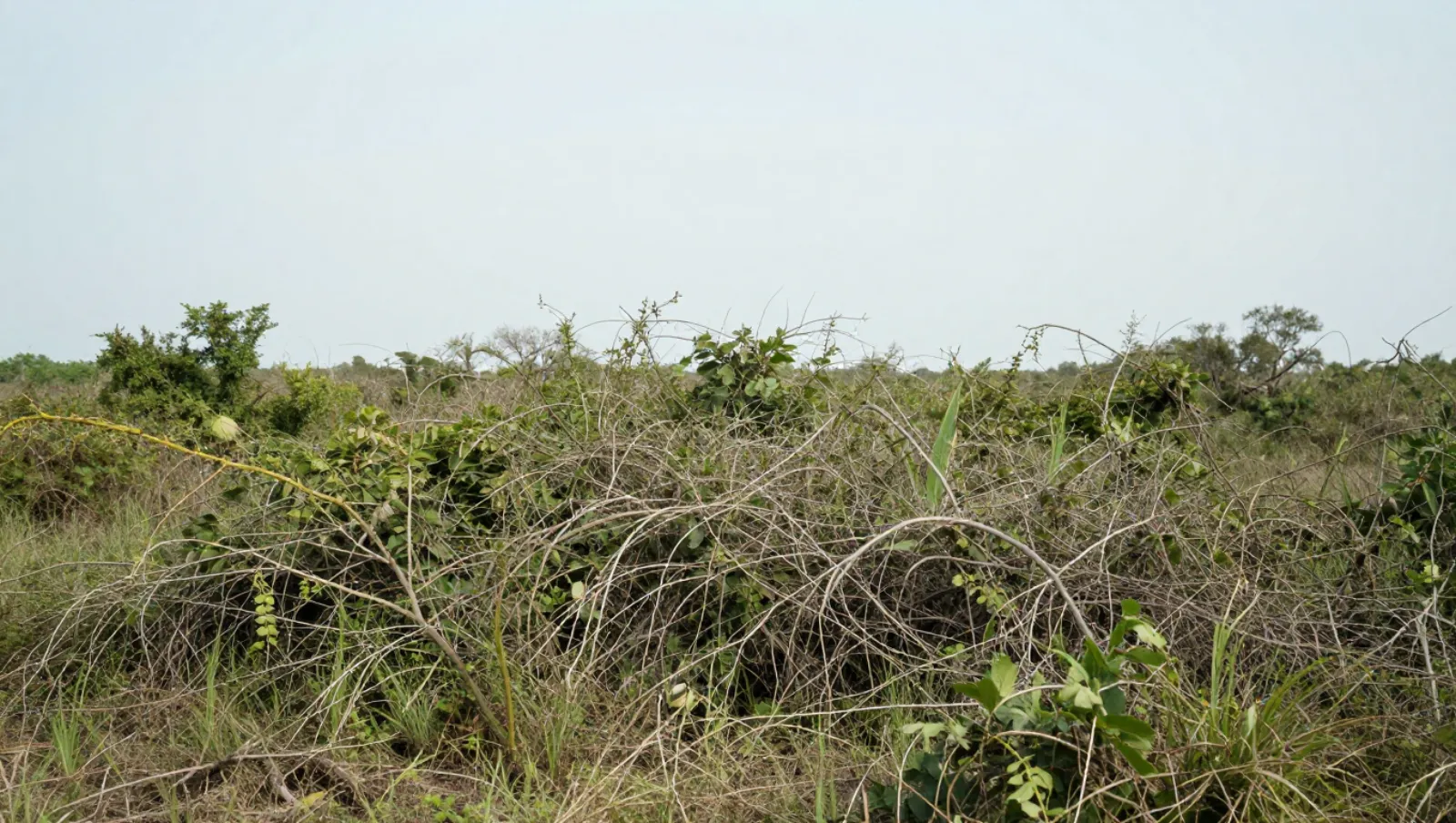
This is the first thing we look at on any job. Light brush moves fast and does not require heavy iron. Dense thickets with mature shrubs, invasive species, and tangled root systems are a completely different situation.
On a two-acre lot we cleared outside of Houston with overgrown cedar and yaupon, equipment had to work around root systems that had been spreading for over a decade. That same two acres with scattered brush on open pasture would have taken a fraction of the time. When brush removal prices vary this much between quotes, vegetation type is usually the reason.
Things that add the most complexity:
- Vines that wrap around equipment if not managed carefully
- Chinese tallow and other invasives that re-sprout aggressively without full root removal
- Mixed lots combining dense underbrush with mature hardwoods that need different handling at each stage
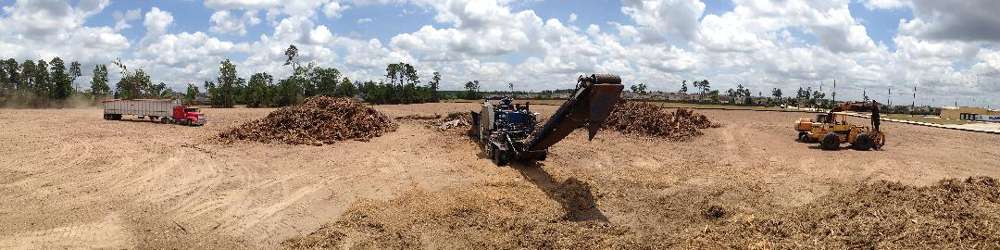
We use a bulldozer to knock over and uproot underbrush with the root system intact, so the stump comes out and the growth does not come back. Grinding everything into fragments and leaving the stumps in place — forestry mulching — costs less upfront and is the right buy for pasture or underbrush. On ground you intend to build on it costs you again in six months when the brush has regrown, which is why we price the two as different jobs rather than the same job done cheaply.
If you want to understand how different vegetation types affect the clearing process, we break it down in our post onbrush clearing tools vs. professional land clearing.
Tree Size and Stump Removal Add to the Scope
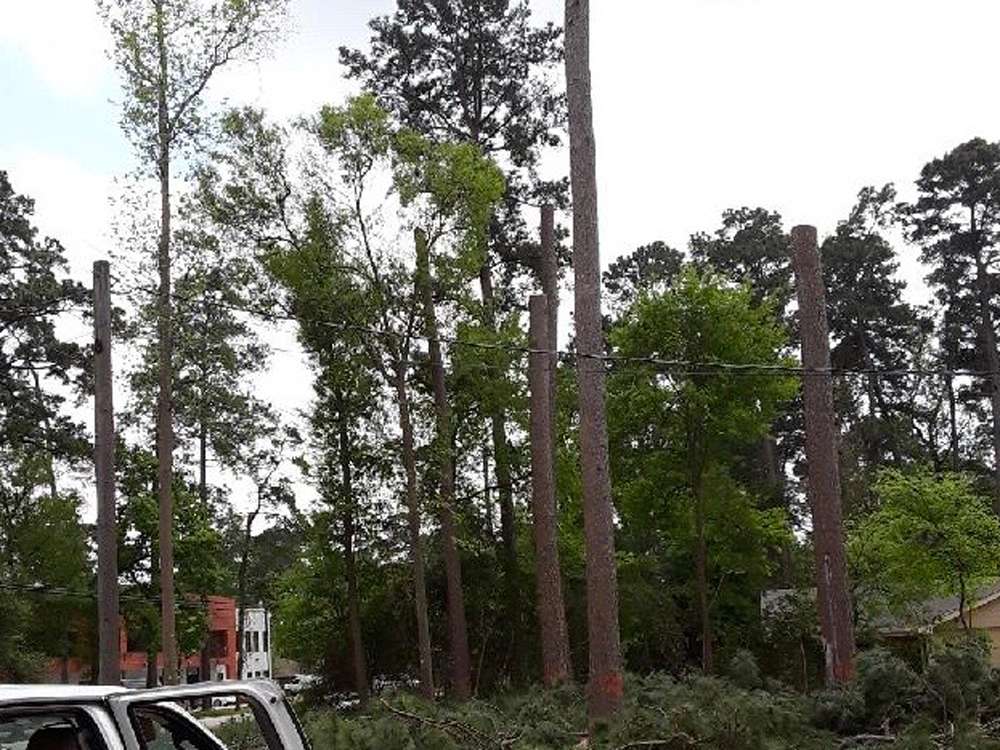
Not all brush removal jobs are just shrubs and undergrowth. When larger trees are involved, land clearing cost climbs because the work shifts from brush clearing services to full tree handling.
The stump is a separate decision from the tree itself:
| Situation | Recommended Approach |
|---|---|
| Trees near others you want to keep | Stump grinding; preserves surrounding root systems |
| Building a house pad on that area | Full stump excavation; rotting roots underground cause foundation voids |
| Pasture or fence line clearing | Lighter approach often sufficient |
| Near utility lines | Cut and grind only, no heavy digging |
Timber with merchantable value can sometimes offset costs, so it is worth asking about before everything goes to the burn pile.
Site Accessibility Changes What Equipment We Can Use
A lot with easy gate access and flat terrain is simple to mobilize on. A property at the end of a narrow ranch road with a creek cutting through the middle is not. Smaller equipment on a job that needs heavy iron takes longer and costs more.
We have cleared fence lines where the only access was a 10-foot gap between trees, which meant running a smaller bulldozer. The same job on an open lot with road access would have taken half the time.
Accessibility factors that regularly affect brush removal prices:
- Seasonal soft ground from clay soils or recent rain that limits where heavy equipment can go
- Overhead power lines near the clearing area that restrict how we can work
- Sloped terrain that slows pace and increases fuel and operator time
- Narrow entry points that limit machine size
Mention these during your estimate walk so we can price accurately from the start.
Debris Hauling Is Often Where People Get Surprised
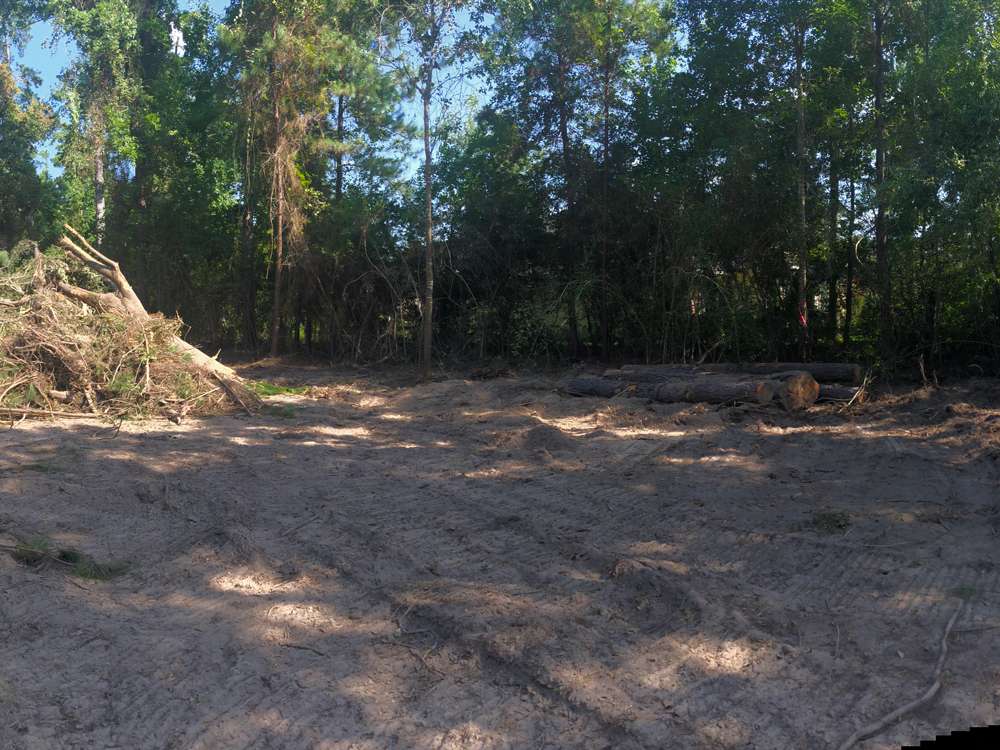
Clearing the brush is one part of the job. Getting it off your property, or managing it on-site, is another conversation entirely, and it has a direct impact on brush removal prices.
| Method | Cost Level | Best For |
|---|---|---|
| Burn on-site | Lowest | Rural properties where burn bans are not in effect |
| Leave debris at back of property | Low | Owners who want to manage it themselves later |
| Grind into mulch chips and haul | Moderate | Mid-size jobs, cleaner finish |
| Load into roll-off containers and haul | Highest | Smaller jobs under 2 to 4 acres, urban lots |
In Texas, burn bans vary by county and shift seasonally. When burning is off the table, hauling and grinding costs go up. We cover debris handling as part of every project conversation so it is never a surprise line item. Before anything is lit, check the TCEQ outdoor burning rules and your county’s current burn ban, which changes with drought conditions.
Local Regulations and Permit Requirements in Texas
Texas does not have a statewide permit requirement for land clearing on private rural property, but local rules vary and skipping this step can be expensive.
Key things to know before you clear:
- Unincorporated rural counties: Clearing brush without removing protected trees generally does not require a permit
- Inside city limits: Tree ordinances kick in. Austin often requires permits for trees over six inches in diameter, and Dallas violations for unpermitted removal can reach $2,000 per tree
- Near waterways or FEMA floodplains: Additional state and federal rules govern vegetation removal near the water's edge
- HOA properties: Separate rules may apply on top of local ordinances
We check permit requirements as part of project planning so clients are not caught off guard.
How Daniel Dean Approaches Transparent Pricing
One of the most frustrating parts of getting brush removal quotes is that numbers rarely tell the same story. One contractor prices low because debris hauling is excluded. Another is higher because they use a grinding crew. Without a site visit and a clear breakdown, you are comparing apples and something that is not even a fruit.
AtDaniel Dean, we do on-site estimates. We walk your property, assess what we are dealing with, and give you a clear picture of the work before any commitment, including what equipment we plan to use, how debris will be handled, and what the cleared property will look like when we are done.
With over 30 years working Texas land, we bring our own equipment to every job, which keeps the process under our control from start to finish. Ourland clearing anddirt work services cover everything from initial brush clearing through grading, drainage, and full site prep.
For the full picture on clearing wooded Texas property, see our post onTexas brush clearing for landowners and site work. And for wooded lots specifically,how to clear brush in woods covers the practical approach for that terrain.
Final Thoughts on Brush Removal Prices
Brush removal prices vary because no two properties are the same. Tree density, accessibility, debris hauling, stump treatment, and local regulations all feed into your final number. Understanding these factors helps you ask better questions and evaluate quotes more accurately.
If you are ready to find out what your property actually needs,contact us and we will walk it with you. We are happy to answer any questions about our land clearing and related services.
About the Author
Daniel Dean has spent over 30 years clearing, grading, and developing land across the Houston area and surrounding Texas counties. He founded Daniel Dean Land Clearing and Dirt Work on one principle: use the right equipment, do the job right, and leave the property better than you found it. He works directly with residential and commercial clients on everything from single-lot brush removal to multi-acre site preparation.
Frequently Asked Questions
- How much does it cost to clear one acre of brush?
- On one acre, the method decides the number. Forestry mulching standing brush runs about $3,500, because the brush is mulched in place and there is no debris left to stack or haul. Bulldozer clearing on that same acre runs about $5,800 when we knock the brush over, rake it, stack it and blade the debris off, about $8,200 when the debris is ground up in one spot on site, and about $11,000 when it has to be hauled off the property. Per-acre pricing drops as the job gets bigger, by roughly a quarter once you are at five acres or more. That covers brush and small trees up to 5 inches across. Mature timber, and digging stumps out with an excavator, are quoted after a site visit.
- What factors make brush removal more expensive?
- Debris handling is the single biggest lever, ahead of acreage. On one acre, hauling the debris off the property instead of blading it off adds roughly $5,200 per acre, and grinding it into one spot on site lands between the two. After that come vegetation density and tree size, then site accessibility and location. Working in tight or soft-ground conditions adds time. Full stump excavation adds to the total as well. The per-acre rates cover brush and small trees up to 5 inches across; mature timber is quoted after a site visit.
- Do I need a permit to remove brush in Texas?
- In unincorporated Texas counties, clearing brush without removing protected trees generally does not require a permit. Inside city limits, tree ordinances apply and size thresholds vary by municipality. Properties near waterways or in floodplains face additional requirements. Always verify with your local jurisdiction before work begins. Is it cheaper to clear brush myself or hire a professional? On small lots with light brush, DIY can reduce costs. On anything with thick vegetation, large stumps, or more than a quarter acre, professional brush clearing services are typically more cost-effective once you factor in equipment rental, disposal, and labor. Professional clearing also removes root systems, which prevents regrowth.