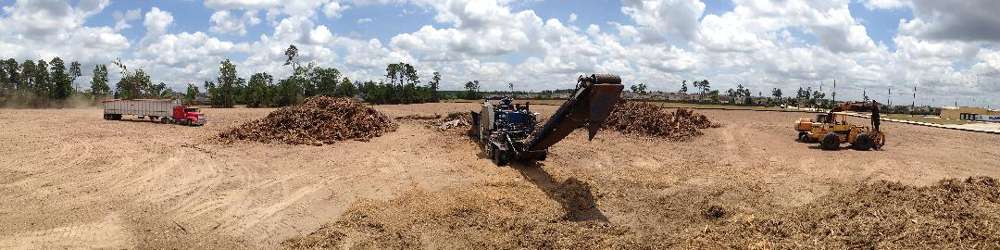
Clear Land Cost vs. DIY Land Clearing: Which Saves More Money
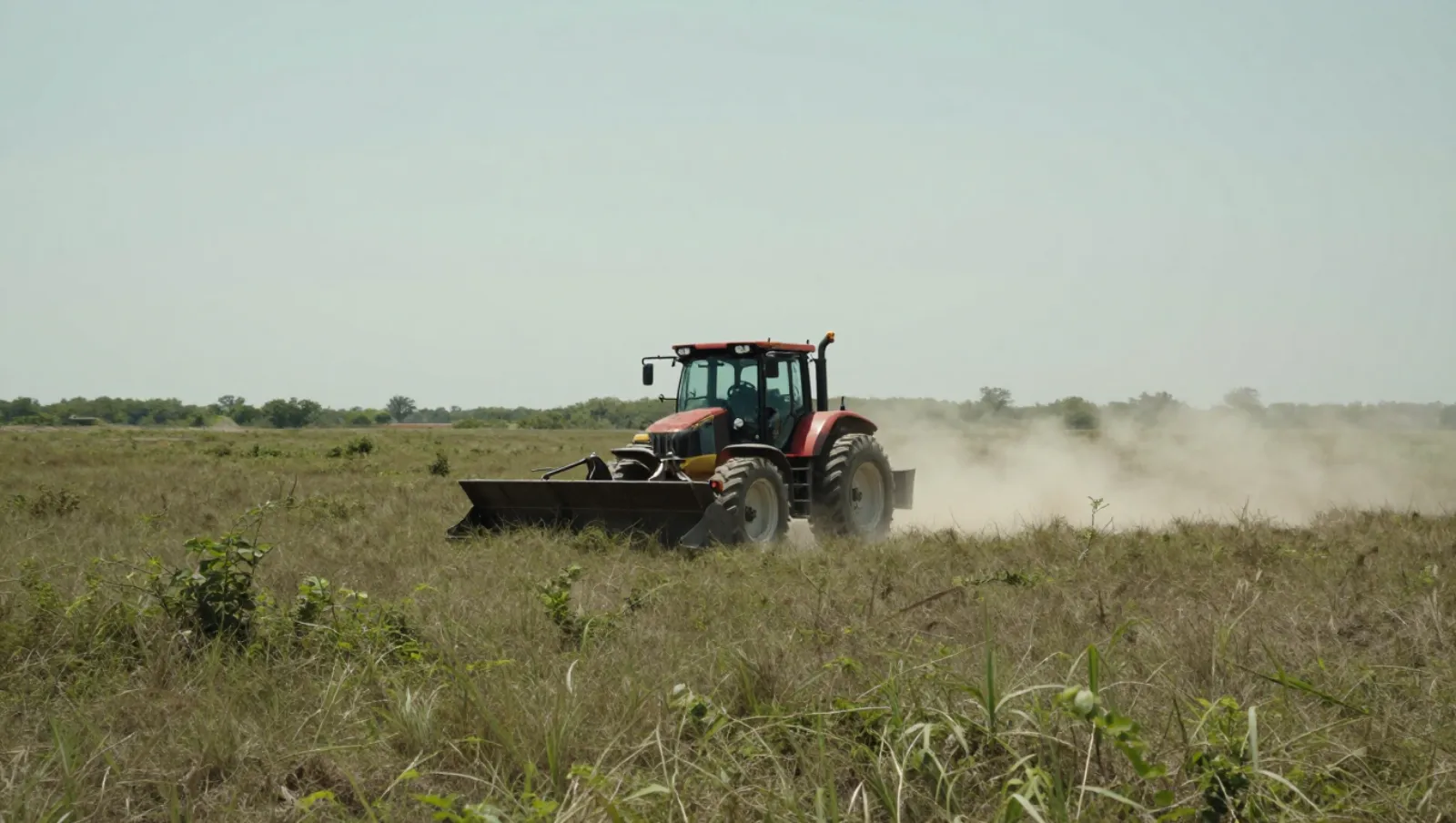
If you're staring at an overgrown lot wondering whether to grab a chainsaw or call a pro, you're not alone. That question comes up constantly, and it's one of the more important decisions a property owner can make before starting a project. The idea of saving money by doing it yourself sounds smart on the surface, but the real numbers often tell a different story. Equipment, debris, time, and a few common mistakes have a way of closing the gap fast. Before you commit to either path, it helps to understand what drives the clear land cost on both sides.
Here's what the data actually shows:
- According toAngi, the national average cost to clear land is around $3,779, with most homeowners paying between $1,395 and $6,174 per acre depending on vegetation density and terrain.
- On our own Texas jobs, the number tracks the method more than the tree count. Forestry mulching standing brush runs $2,700 to $3,500 per acre. Bulldozer clearing runs $4,250 to $5,800 per acre with the debris bladed off, and $8,000 to $11,000 per acre when it has to be hauled off the property. These rates are for brush and small trees up to 5 inches across. Larger trees, and pulling stumps out with an excavator, are quoted separately after we walk the property.
What Actually Goes Into the Clear Land Cost
Understanding what you're paying for, or taking on yourself, starts with knowing the full scope of a clearing job. It is not just cutting trees. A proper clearing project includes all of these steps, and each one carries a cost whether you hire someone or do it yourself:
- Brush removal
- Tree felling
- Stump removal or grinding
- Debris disposal
- Raking and surface smoothing
- Rough grading to level the land
When we break down clearing land cost per acre for our customers at Daniel Dean, the biggest variable is always what's on the ground. The total clear land cost can shift dramatically based on just one or two site conditions. A half-acre lot with young cedar and scrub brush is a completely different project than one with mature hardwoods, thick root systems, and low-lying wet spots.
Terrain, access, and how you plan to dispose of the debris are the next biggest factors. Property that requires hauling off material in roll-off containers is always more expensive than a job where debris can be burned on-site or mulched and spread. Before anything is lit, check the TCEQ outdoor burning rules and your county’s current burn ban, which changes with drought conditions.
For residential clearing in Texas, the method sets the number more than anything else. Forestry mulching standing brush runs $2,700 to $3,500 per acre, because the brush is mulched where it stands and there is no debris left to stack or haul. Bulldozer clearing, where we knock the brush over, rake it, stack it, and blade the debris off, runs $4,250 to $5,800 per acre. If that debris has to be ground up in one spot on site, it becomes $6,000 to $8,200 per acre. If it has to be hauled off the property entirely, $8,000 to $11,000 per acre. In every one of those ranges, a single acre pays the top and five acres or more pays the bottom. That covers brush and small trees up to 5 inches across. Mature timber, and digging stumps out with an excavator, are quoted after a site visit.
What Does DIY Equipment Actually Cost?
This is where a lot of property owners get surprised. The assumption is that renting equipment is cheap, and the savings add up fast. In reality, equipment rentals for meaningful land clearing are not an afternoon expense.
A skid steer with a brush cutter attachment typically rents for around $400 to $600 per day. Once you factor in delivery fees, fuel, and required damage waivers, you are often looking at $600 to $900 per day of actual use. An excavator for stump removal runs higher. Chainsaws, personal protective gear, and stump grinders add to the tab. If you rent for a week, because most properties take longer than a weekend, the bill from equipment alone can hit $3,000 to $6,000 or more depending on the machines needed.
Common rental options property owners consider include:
- Skid steer with brush cutter: $400 to $600 per day
- Mini excavator: $300 to $500 per day
- Chainsaw rental: $50 to $100 per day
- Stump grinder: $150 to $300 per day
- Roll-off dumpster for debris: $400 to $800 per haul depending on size
Add it up across multiple days, and DIY stops looking like the bargain it seemed.
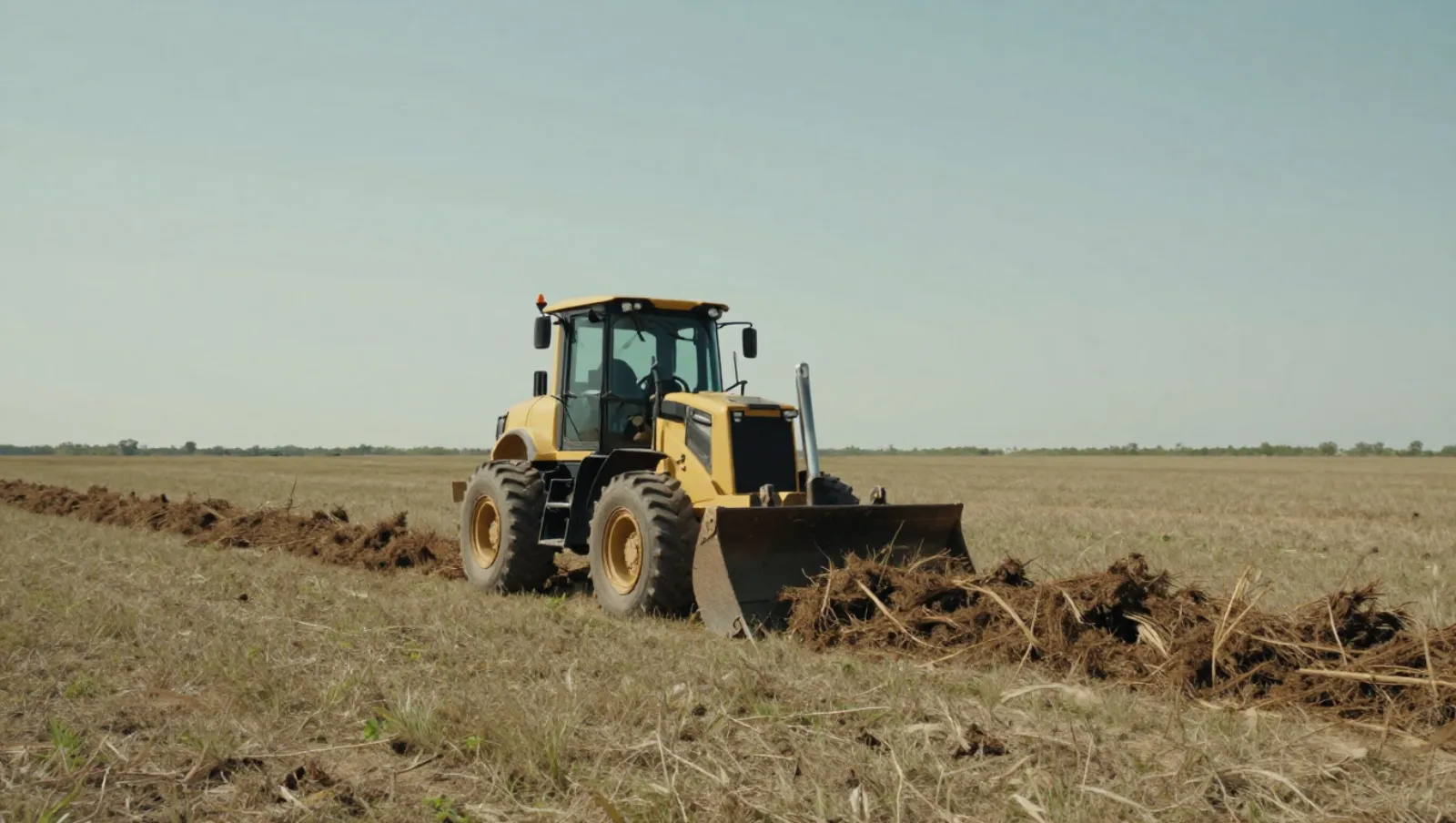
There is also speed to consider. What takes a professional crew with proper equipment six to eight hours, an experienced operator working a property they know, often takes a first-time renter three to five days. Slower progress means more rental days, more fuel, and more wear on equipment you are responsible for if something goes wrong.
The Hidden Costs Most DIYers Do Not Budget For
We see this pattern regularly. Someone calls us after starting a clearing project on their own, and by the time they explain where things went sideways, the story sounds familiar. There are a handful of costly mistakes that show up on DIY projects more often than people expect.
| Hidden Cost | What Happens | Potential Impact |
|---|---|---|
| Debris disposal | Cutting is only half the job. Burning is not always allowed depending on the county and time of year. Hauling requires roll-off containers or additional equipment. On two to three acres, disposal can rival the cost of the clearing itself. See ourland clearing page for how we handle this. | $800 to $2,500+ depending on acreage and method |
| Equipment damage | Hidden stumps, root systems, and soft spots on unfamiliar terrain cause rollover incidents and machine damage more often than rental companies advertise. If you damage a rented machine, repairs come out of your pocket. | Repair bills of $1,000 to $5,000+ |
| The rented-skid-steer trap | A rented skid steer that mows brush into chips leaves stumps behind to trip over, keeps root systems intact so the brush grows right back, and leaves an uneven surface. Done properly by a purpose-built machine that is forestry mulching, and it is a real product we sell at $2,700 to $3,500 an acre — the right call for pasture, fence lines and underbrushing, where you want the growth knocked back and do not care that the roots stay. The trap is not the method. The trap is buying it when what you actually needed was a buildable surface, which takes a dozer to uproot the brush and blade the area smooth. Read more in our piece onwhy DIY clearing is best left to experts. | Cost of re-clearing the same ground |
| Permits | In Texas, machinery use with grading requirements typically requires a clearing permit. Fees range from $50 to $500. Operating without one can result in stop-work orders and fines that exceed the permit cost. | $50 to $500+ in fines on top of permit fees |
When DIY Might Actually Make Sense
To be fair about this, there are situations where doing some of the work yourself is reasonable. Very small areas, say under half an acre, with light brush, no significant trees, and easy debris disposal may be manageable for someone with time, physical capability, and some familiarity with the equipment. If you already own a tractor or have experience with a skid steer, that changes the math.
But as soon as trees come into the picture, stumps need full removal, or the property has drainage or grading needs, the complexity grows fast. Most property owners who have been through a clearing project once will tell you they wished they had just called someone.
Our guide on how to clear land fast covers what the actual process looks like when done with the right equipment, which gives a clearer picture of what DIY would actually require.
Using a Land Clearing Cost Calculator
If you want a starting estimate before reaching out to a contractor, a land clearing cost calculator can help you understand the general range for your project. These tools typically ask for your acreage, the level of vegetation, your region, and your intended use for the property. They are useful for ballpark budgeting, but they have limits.
A land clearing cost calculator cannot account for property access, the specific trees present, how debris will be handled, whether grading is needed, or what unexpected site conditions might show up once work begins. For Texas properties especially, the variable cost of vegetation types, from hardwood to mesquite to thick pine stands, means online estimates can be off by a significant margin. Use a land clearing cost calculator as a starting point, then request an on-site estimate before committing to any budget.
At Daniel Dean, we provide on-site estimates at no charge. Walking the property before pricing is the only way to give an accurate number, and any contractor who quotes a firm price over the phone without seeing the land is either padding the estimate to cover surprises or has not done enough of this work to know what they are looking at.
Cost Clear Land: Professional vs. DIY Side by Side
Here is a practical comparison for a typical 2-acre residential lot in the Houston and Southeast Texas area with moderate brush and scattered trees:
| Cost Factor | DIY | Professional |
|---|---|---|
| Equipment rental (5 days) | $3,000 to $5,500 | Included in service |
| Fuel | $200 to $400 | Included in service |
| Debris disposal | $800 to $1,600 | Quoted in the price, but which option you pick moves it |
| Permit fees | $50 to $500 | Handled by contractor |
| Your time (5+ days) | Unpaid labor | No personal time required |
| Risk of re-clearing brush regrowth | High (skid steer method) | Low (bulldozer uproots stumps) |
| Estimated total | $4,000 to $7,500+ | For brush and small trees up to 5 inches across: $11,000 dozer-cleared with the debris bladed to the edge and the pile left on your property; $15,600 with it ground into one spot on site; $21,000 with it hauled off. Larger trees, and pulling stumps out with an excavator, are quoted separately after we walk the property |
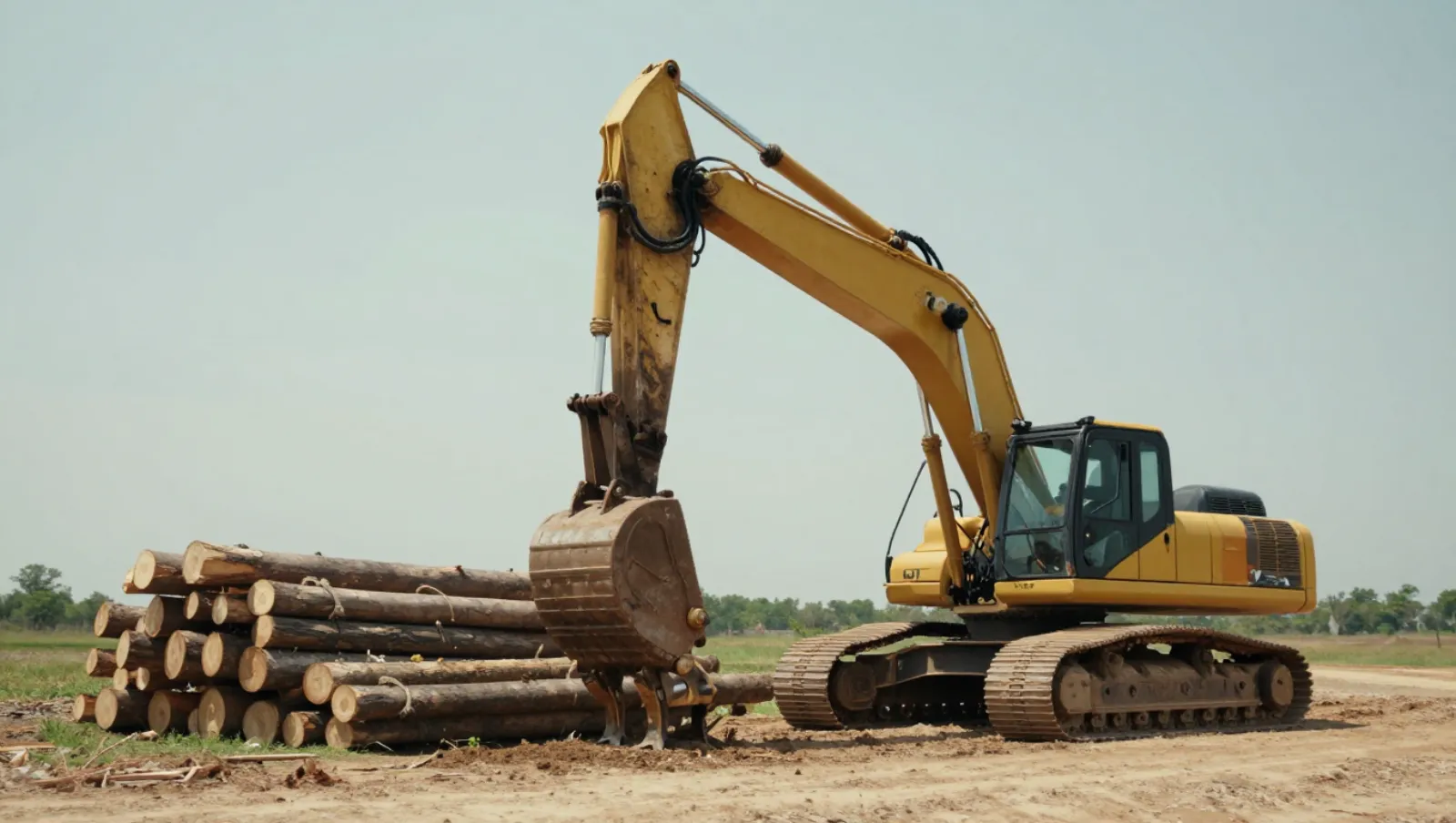
Professional clearing is usually not the cheaper line item in raw dollars, and we are not going to pretend otherwise. What the professional number buys is brush uprooted rather than mowed off, a surface you can build on, and a debris plan you actually chose. Read that bottom row carefully, because it is the honest part: at the low end the material is still on your property, raked into a pile at the edge. Grinding it into one spot or trucking it away are the two ways to make it gone, and they are what the rest of the spread pays for. That spread is the debris decision, not the acreage. Where DIY gets expensive is the second attempt.
What Professional Land Clearing Costs in Texas
For Texas-specific budgeting, our work in Southeast Texas and the Houston metro spans $2,700 to $11,000 per acre, and where a property lands in that span comes down to the method and to what happens to the debris. Forestry mulching standing brush is the budget end at $2,700 to $3,500 per acre. Adding our DD Crusher — a smaller mulching head that grinds the debris down — runs $4,700 to $6,000 per acre. Bulldozer work starts at $4,250 to $5,800 per acre with the debris raked, stacked and bladed off, rises to $6,000 to $8,200 per acre if it is ground up in one spot on site, and reaches $8,000 to $11,000 per acre if it is hauled off the property. On a single acre, choosing haul-off over blade-off adds about $5,200 per acre, roughly a 90 percent premium, which is a bigger swing than acreage produces. The clear land cost in this region runs higher than the national averages published online. Those numbers buy brush and small trees up to 5 inches across. Anything bigger gets its own quote once we have walked the property.
The clearing land cost per acre in Texas is influenced by a few regional factors that differ from national averages. Texas-specific vegetation like mesquite, cedar, and fast-growing hardwoods can add difficulty. Soil conditions in areas like Montgomery County and Harris County vary widely, affecting how equipment performs and how root systems need to be handled. And the Texas heat and humidity mean debris management has to be factored carefully, since mulched material in wet conditions breaks down differently than in drier climates.
If your property involves a pond or water feature that also needs attention after clearing, our team handles pond and lake services as part of a full property development plan, which can save significantly on mobilization when both are scoped together. Our pond cleaning tips for Texas homeowners covers what to watch for when a property water feature is part of your improvement plans.
Final Thoughts on Clear Land Cost and Dirt Work by Daniel Dean
The appeal of DIY is real. There is nothing wrong with wanting to control your own project and keep money in your pocket. But when it comes to land clearing, the gap between what people expect to spend and what it actually costs to do the job right is wider than most properties will forgive. Equipment rentals add up, debris surprises people every time, and doing it the cheap way often means doing it twice.
If you are weighing your options and want a straight answer about what your specific property would cost to clear properly,reach out to us at Daniel Dean for an on-site estimate. We have been doing this in Texas for over 30 years, and we are not in the habit of giving people numbers that do not hold up once we show up to work.
Frequently Asked Questions
- How much does 1 acre of land cost in TX?
- The price of 1 acre in Texas varies widely based on location, access, zoning, utilities, and intended use. Rural land may cost only a few thousand dollars per acre, while land near major metros can cost significantly more. If you are budgeting for development, remember that purchase price is only one part of the equation. Site preparation and clear land cost can add another layer of investment before construction begins.
- How much is 500 acres worth in Texas?
- There is no single average because large acreage values depend heavily on region, water access, road frontage, terrain, and land use potential. Agricultural land, recreational property, and development-ready parcels can differ dramatically in value. For larger properties, land clearing costs should also be evaluated early since clearing hundreds of acres creates economies of scale but still represents a major project expense.
- How much is 2 acres of land worth in Texas?
- Two acres in Texas can range from affordable rural lots to premium suburban property depending on location and available infrastructure. If your goal is to build or improve the land, include preparation costs in your budget. On a two-acre property in Southeast Texas, clearing runs about $3,300 per acre if the brush can be mulched in place, and $5,500 to $10,500 per acre for bulldozer clearing depending on whether the debris is bladed off, ground up in one spot on site, or hauled away. Those figures are for brush and small trees up to 5 inches across; larger trees and stump excavation are quoted separately.