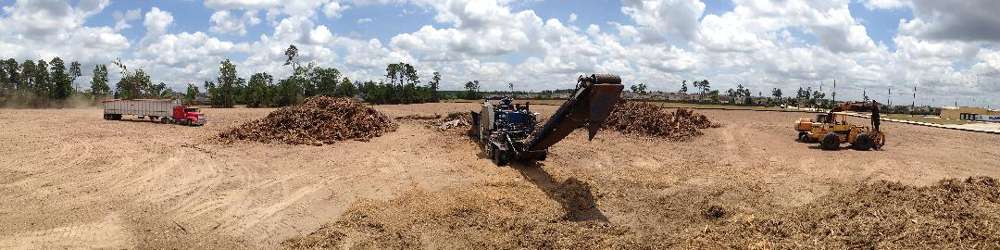
Pond Sealing in Conroe for Farm and Ranch Landowners
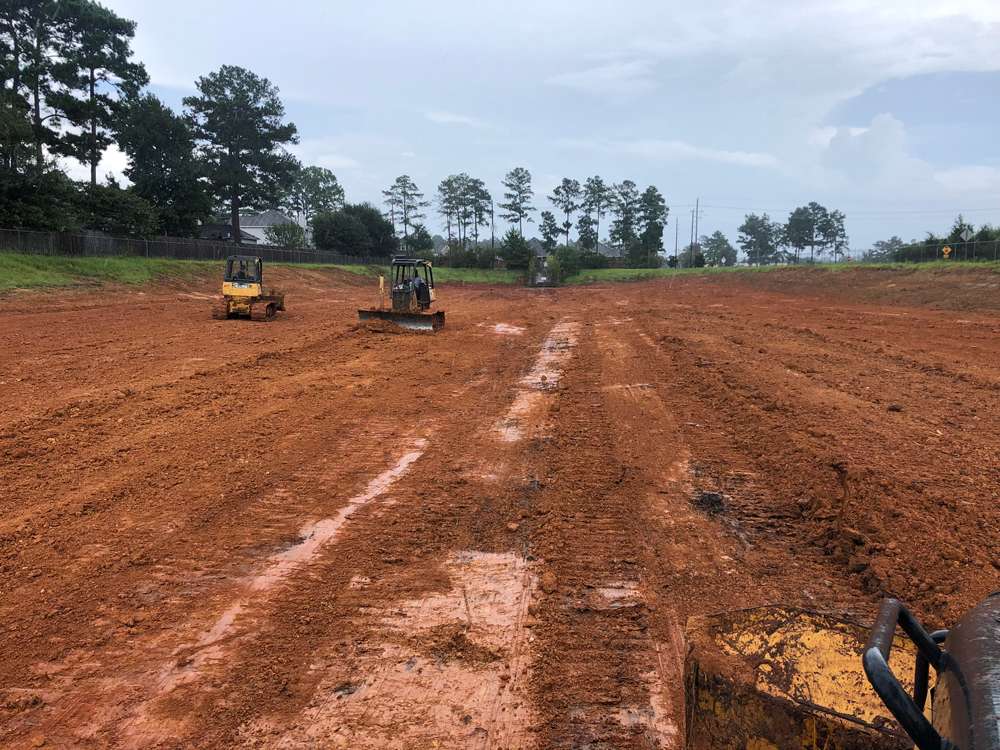
Is your pond losing water faster than it should, even after heavy rain? Pond sealing becomes critical when water loss exceeds normal levels, and many landowners in Conroe face this issue without knowing the real cause. If your pond drops more than half an inch per day outside of drought conditions, the problem is not evaporation. A quarter inch daily loss in a one acre pond can mean nearly 7,000 gallons disappearing every day, which quickly impacts livestock and irrigation. Texas Parks and Wildlife publishes free guidance on managing private lakes and ponds that is worth reading before you commit to a plan.
Many turn to the best pond sealer or products like seek leak pond sealer, but these often fail when the issue comes from soil conditions or poor construction. Without proper pond maintenance services and structural work, water loss continues and reduces property value, even though a well maintained pond can increase land value by up to 15 percent.
In this blog post, we will talk about how pond sealing works in Conroe and what it takes to fix the problem correctly.
Understanding Soil Challenges Specific to Montgomery County
Pond sealing in Conroe starts with one critical factor: soil composition. Montgomery County features a mix of clay, sandy loam, and high-permeability zones that directly impact water retention.
Clay soils often expand when wet and shrink when dry. This shrink-swell cycle creates cracks that allow water to escape over time. On the other hand, sandy patches drain quickly and prevent ponds from ever sealing naturally. Many properties contain a combination of both, which makes sealing more complex than a single-solution approach.
Key soil-related challenges include:
- Hidden sand veins that act as drainage channels
- Organic material in the pond base that prevents proper compaction
- Inconsistent soil layers that create weak sealing zones
- Seasonal drying that leads to cracking and seepage
Without addressing these issues, even the best pond sealer will fail. Effective pond sealing requires soil testing, proper material selection, and preparation of the pond bottom to create a stable and uniform base.
Professional Pond Sealing vs Temporary DIY Fixes
Many landowners search for quick solutions such as the best pond sealer or products like seek leak pond sealer. While these options may reduce minor seepage, they rarely solve structural problems.
DIY sealing methods typically focus on surface-level fixes. These include spreading bentonite without proper mixing, applying liquid sealers, or installing thin liners. These approaches often fail because they do not address the underlying cause of water loss.
Here is how professional pond sealing compares to common DIY fixes:
| Approach | Result | Long-Term Reliability |
|---|---|---|
| Surface sealers (liquid or granular) | Temporary reduction in leaks | Low |
| Thin liners | Vulnerable to punctures and shifting | Low to moderate |
| Bentonite without compaction | Uneven sealing and washout | Low |
| Professional pond sealing | Full soil integration and structural repair | High |
Professional pond sealing focuses on rebuilding the pond structure when needed. This includes removing unsuitable material, conditioning soil moisture, and applying sealing layers correctly. It also integrates with broader pond maintenance services to ensure long-term performance.
To see how erosion impacts long-term results, review these pond erosion control best practices and how they support a more durable seal
The Role of Precision Compaction in Lasting Water Retention
Compaction is one of the most important factors in successful pond sealing. Without proper compaction, even high-quality materials cannot form an effective barrier.
Precision compaction involves placing soil in controlled layers, often called lifts, and compacting each layer to a specific density. This process eliminates air pockets and creates a tight seal that resists water movement.
Key elements of effective compaction include:
- Moisture conditioning to achieve optimal soil density
- Use of heavy equipment designed for soil compaction
- Layered placement to prevent weak spots
- Consistent coverage across the entire pond bottom and walls
When compaction is done correctly, it creates a uniform barrier that prevents seepage. When done poorly, it leads to uneven settling, cracks, and recurring leaks. This is why professional pond sealing focuses heavily on this step rather than relying solely on additives. For a deeper look at long-term care, explore these pond cleaning tips for Texas homeowners to help maintain water retention and overall pond performance.
How Integrated Drainage Design Protects Your Pond Seal
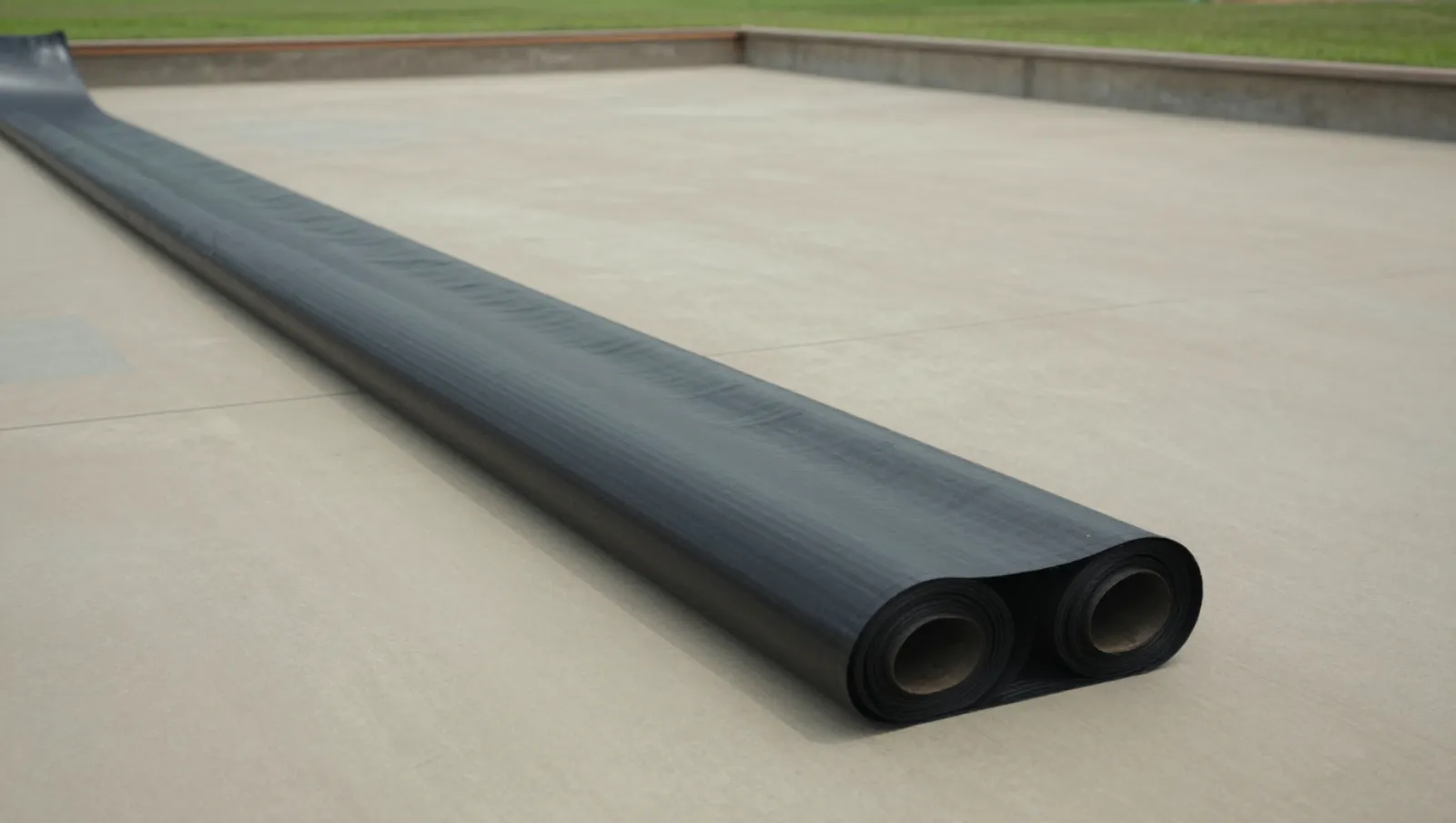
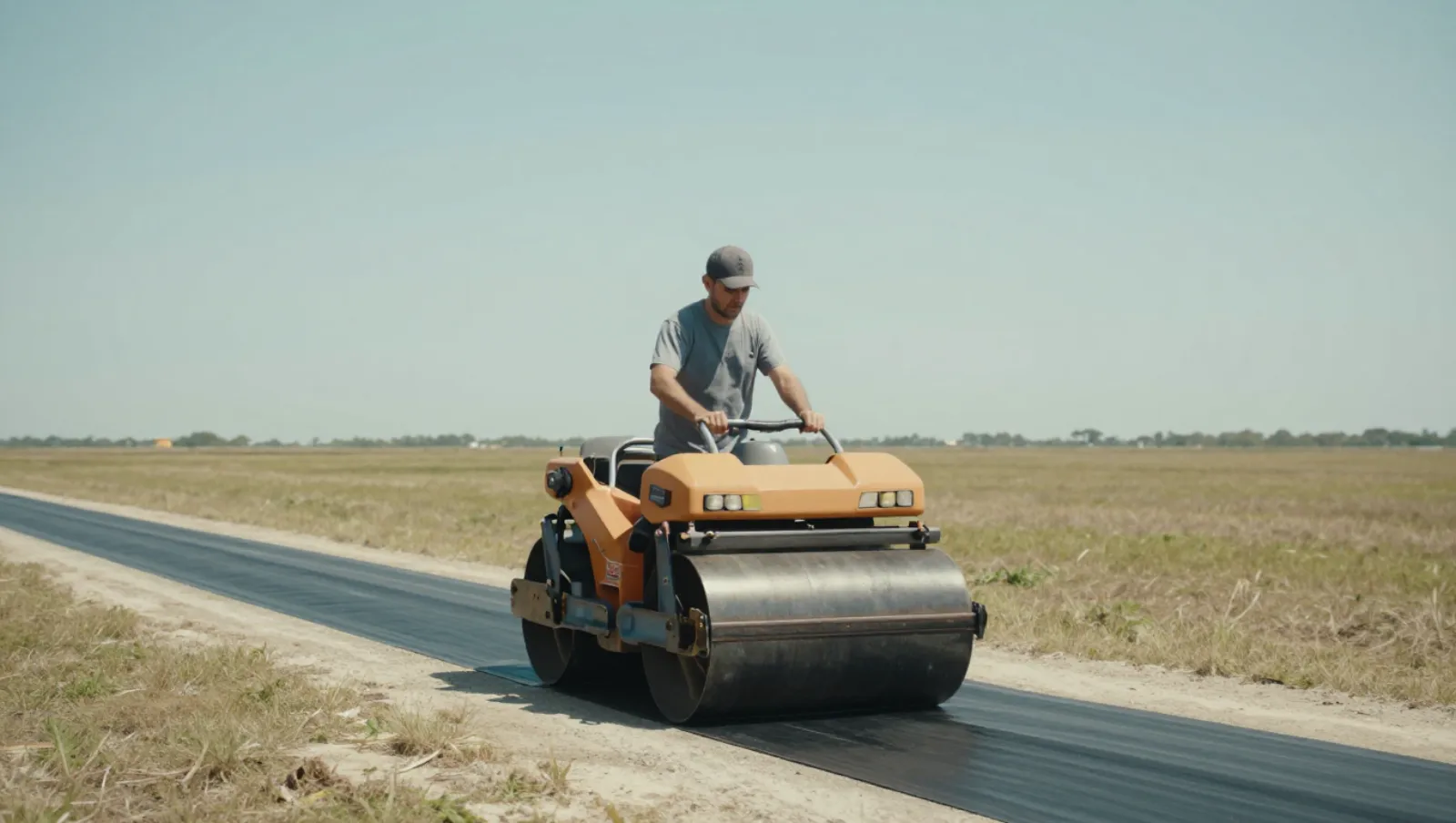
Pond sealing does not stop at the pond itself. You need to control how water moves across your entire property to protect the seal. Without proper drainage, even the best pond sealer or products like seek leak pond sealer will fail over time. A complete approach focuses on directing water, stabilizing soil, and preventing conditions that lead to erosion or pressure buildup.
1. Control Runoff Before It Reaches the Pond
You need to manage how rainwater flows toward your pond to prevent excessive force on the sealed areas. Uncontrolled runoff can carry debris, increase water velocity, and create weak points along the pond edges. Proper grading and diversion channels guide water safely into the pond without damaging the structure. This step reduces stress on the pond bottom and walls, which helps pond sealing last longer and reduces the need for frequent pond maintenance services.
2. Stabilize Pond Banks to Prevent Erosion
You must protect the pond banks to keep soil from breaking down and exposing sealed layers. Erosion often starts at the edges where water movement and livestock activity disturb the soil. Stabilization methods such as proper slope design and soil compaction keep the banks intact. When banks remain stable, sediment does not wash into the pond, and the sealed base stays protected. This step supports long-term pond sealing and minimizes repair costs.
3. Manage Overflow to Avoid Structural Damage
You need a controlled overflow system to handle heavy rain events. Without it, excess water can overtop the pond and wash away compacted soil. This creates new leak paths and damages the seal. Installing spillways or overflow outlets allows water to exit safely without disturbing the pond structure. This approach prevents sudden failures and keeps the pond functioning even during extreme weather conditions.
4. Prevent Sediment Buildup That Weakens the Seal
You must stop silt and debris from accumulating at the bottom of the pond. Over time, sediment reduces depth and creates uneven pressure across the sealed surface. This can lead to cracking and seepage. Proper drainage design limits the amount of sediment entering the pond and keeps the base consistent. Combined with regular pond maintenance services, this step helps preserve the integrity of the pond sealing work.
Work with Professionals Who Integrate Sealing and Site Design
You get the best results when pond sealing is handled alongside full site work. Daniel Dean focuses on complete solutions that include grading, drainage planning, compaction, and long-term land management. Our approach goes beyond applying the best pond sealer or quick fixes like seek leak pond sealer. We build ponds that hold water by addressing the root cause of failure. This ensures your pond performs reliably for livestock, irrigation, and long-term property value.
Final Thoughts on Pond Sealing in Conroe for Farm and Ranch Landowners
Pond sealing in Conroe requires more than quick fixes or surface treatments. Lasting results come from understanding local soil conditions, correcting structural issues, applying proper compaction, and managing drainage across the entire property. When these elements work together, your pond can hold water consistently, support livestock, and increase overall land value.
If your pond continues to lose water, the next step is to identify the root cause and avoid temporary solutions that lead to repeated repairs. A professional approach ensures the problem gets fixed correctly the first time, saving time and long-term costs.
Daniel Dean provides complete pond sealing, land clearing, and site preparation services designed for farm and ranch landowners. If you need help evaluating your pond or planning improvements, reach out through the contact page to get expert guidance and reliable solutions tailored to your property.
Frequently Asked Questions
- What is the best way to seal a pond?
- The most effective pond sealing method involves proper soil preparation, moisture conditioning, and precision compaction rather than relying only on surface products. Professional work combined with pond maintenance services ensures long-term water retention.
- What is pond sealant?
- Pond sealant refers to materials like bentonite clay or liquid additives used to reduce water seepage in ponds. Products like seek leak pond sealer can help minor leaks but do not fix structural issues.
- How long does pond sealer last?
- A properly installed pond sealing system can last for decades when supported by good drainage and maintenance. Surface-applied sealers typically last only a short time without proper soil compaction.