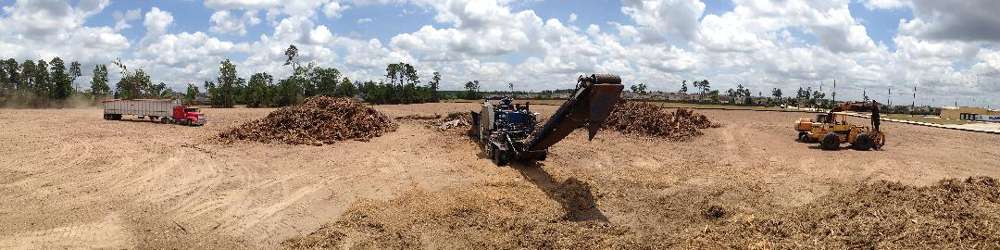
An arena is a drainage project with a riding surface on top. That is the part most people discover late — the footing everyone focuses on only performs if the base beneath it is built and sloped correctly, and in Houston clay the base is the entire job.
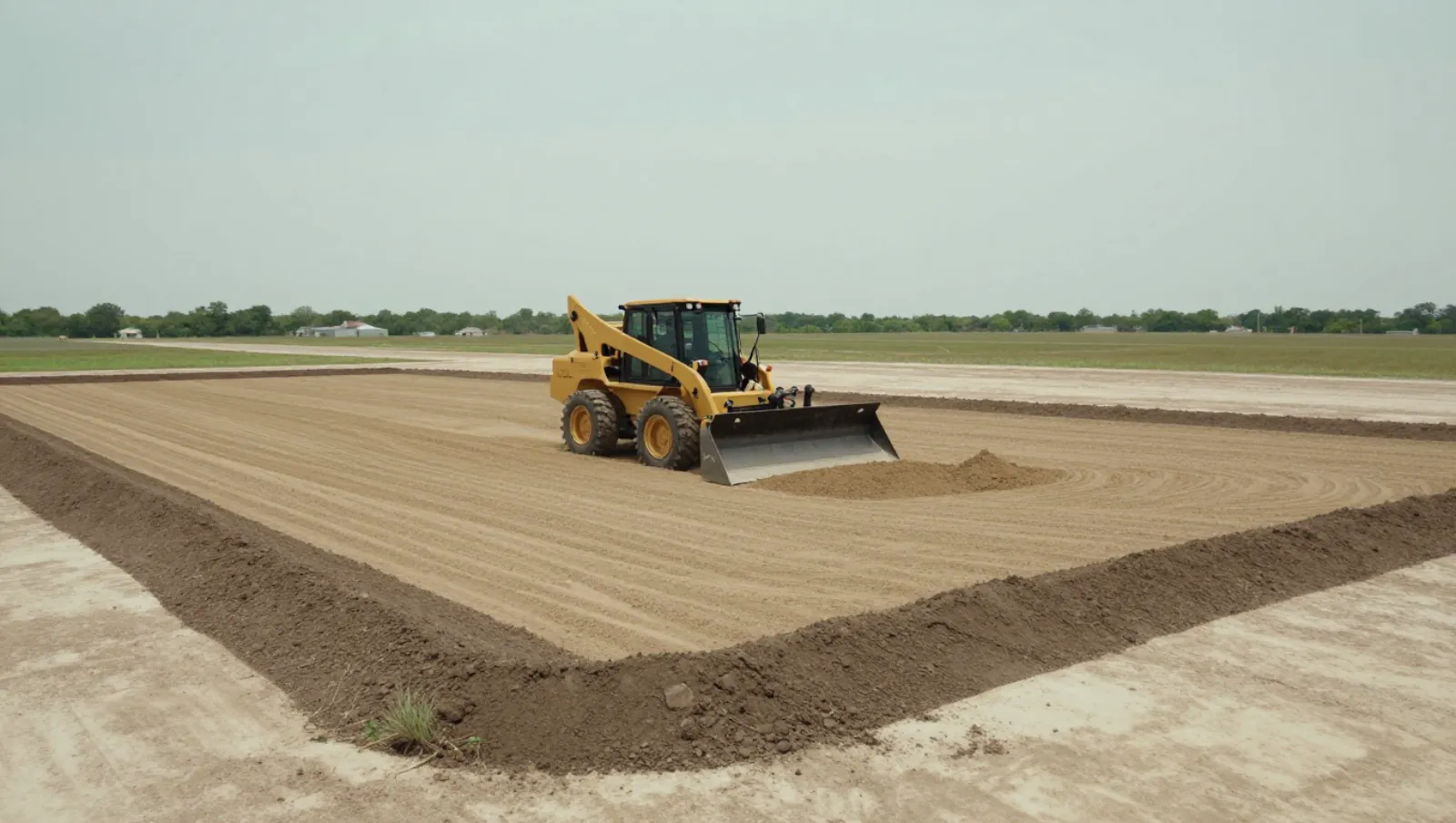
We build the pad, establish the crown or fall so water leaves rather than ponds, compact the base, and then place footing. Skipping the base and putting sand on native clay produces an arena that is unusable for a week after every rain.
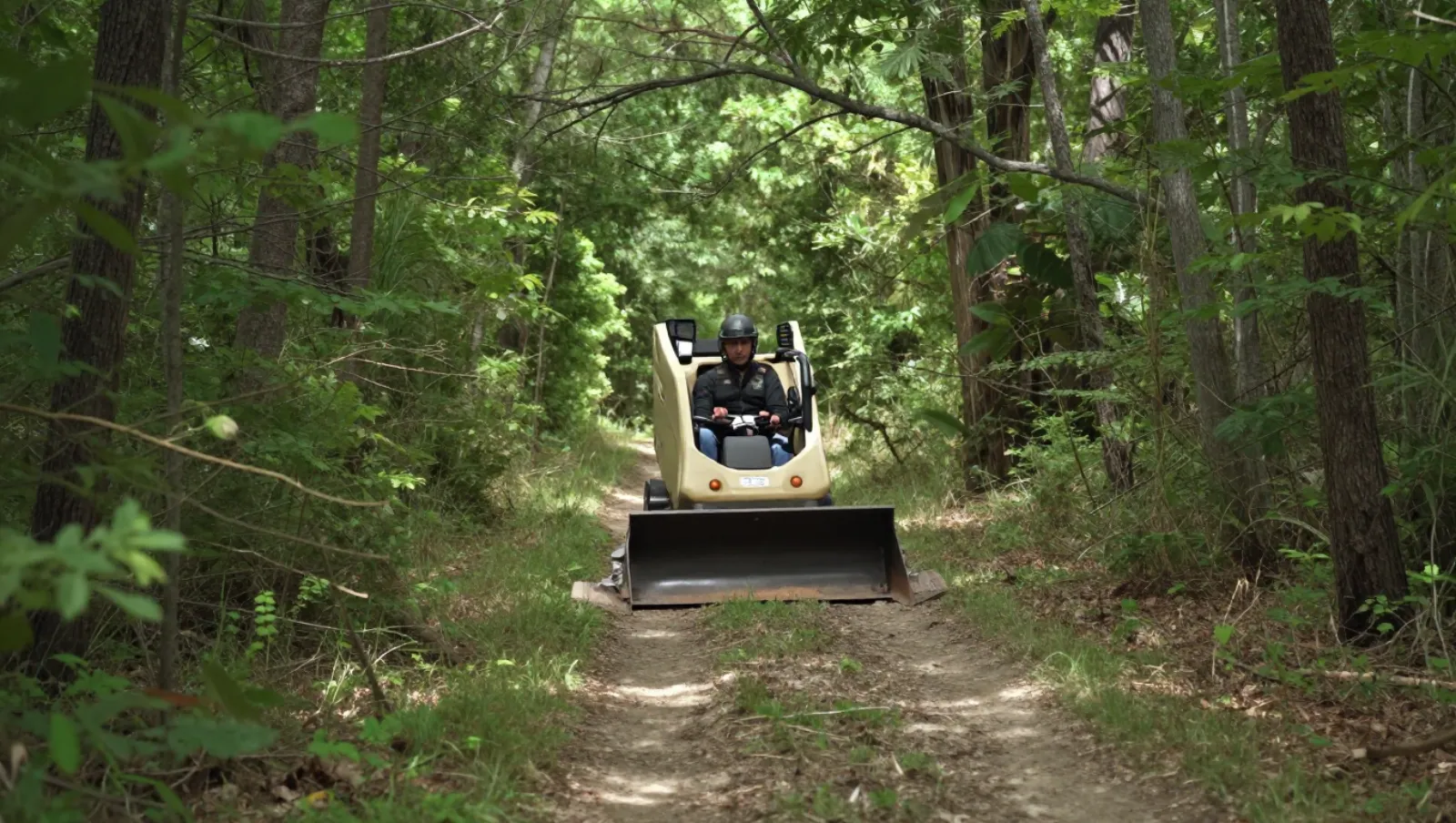
Trail work on wooded Houston-area properties is the same principle at a smaller scale. A trail cut without thinking about where water runs becomes the channel that water chooses, and then it becomes a ditch.
What this covers in Houston
- Arena pads built, crowned, and compacted before footing
- Drainage designed into the base rather than added afterward
- Riding trail clearing and surfacing through wooded property
- Round pen and paddock construction
- Access drives and equipment turnarounds for trailers
How the work runs in Houston
Build the base before the footing
An arena is a drainage project with a riding surface on top. Sand over native clay produces an arena unusable for a week after every rain.
Establish crown or fall
Water has to leave the surface. The grade is set so it does, then compacted so it stays that way under traffic.
Place and level footing
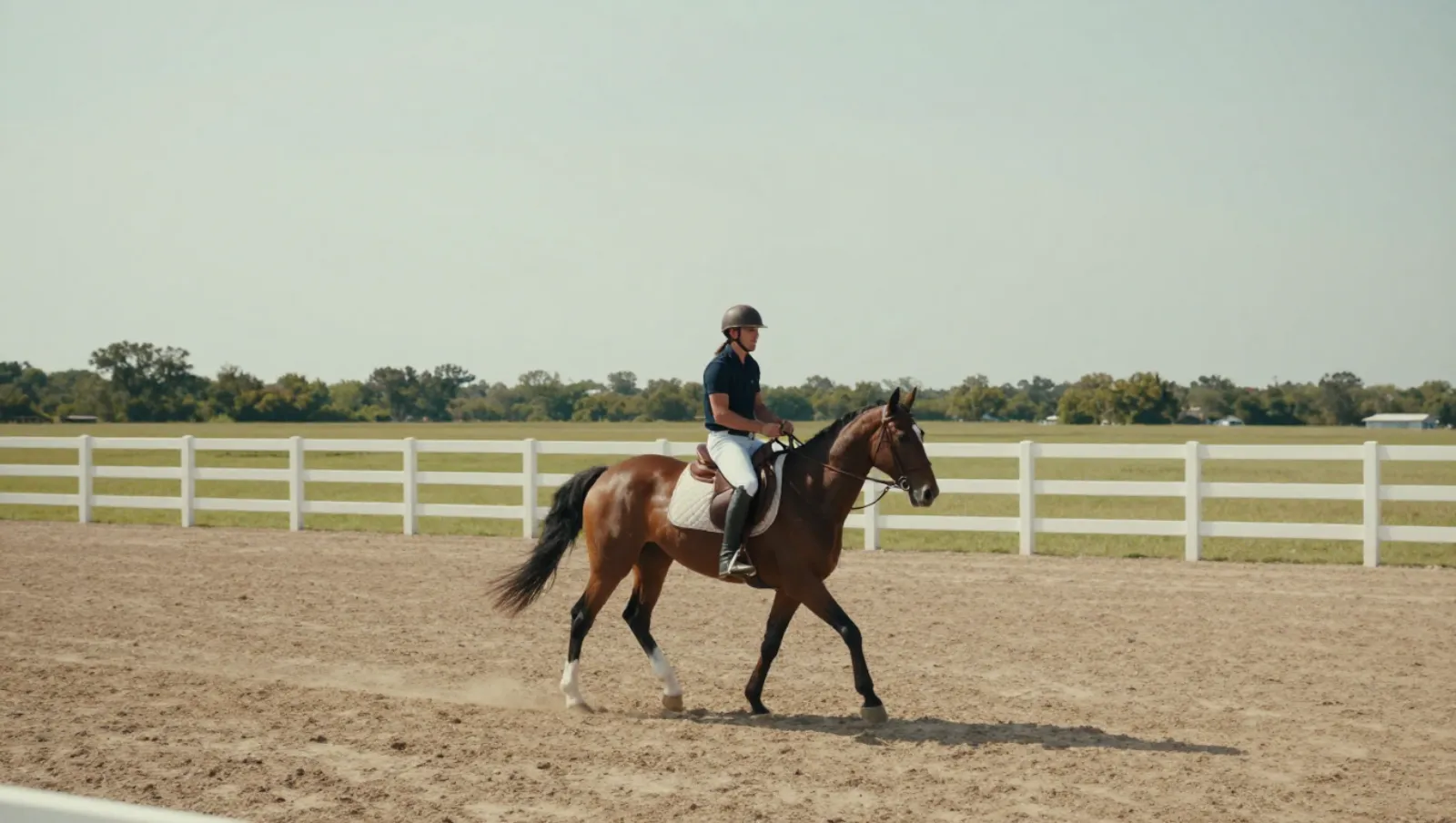
Footing depth is set for the discipline the arena is for, then levelled consistently rather than deep in the middle and thin at the rail.
Trails cut with the water in mind
A trail cut without thinking about where water runs becomes the channel water chooses, and then it becomes a ditch.
Riding Arena & Trail Construction in Houston — common questions
- What makes a riding arena drain properly?
- The base, not the footing. The pad is built, crowned or sloped so water leaves, and compacted before any footing goes on. Sand placed over native clay with no base produces an arena that is unusable for a week after every rain, no matter how good the sand is.
- How deep should the footing be?
- It depends on the discipline — a dressage arena, a roping arena, and a general riding pen want different depths and different material. What matters as much as depth is consistency: footing deep in the middle and thin at the rail is worse than a shallower even surface.
- Can you build trails through wooded property?
- Yes. The work is clearing a usable width, setting the grade so water crosses rather than runs down the trail, and surfacing where the ground will not hold up. A trail cut without thinking about water becomes the channel water chooses.
- Do you build round pens and paddocks too?
- Yes — same principle at a smaller scale. Base first, drainage designed in, then footing. Small pens get churned faster than arenas because the traffic is concentrated, so the base matters more, not less.
Areas we serve around Houston
Cypress · Tomball · Magnolia · Waller · Richmond · Fulshear · Montgomery County