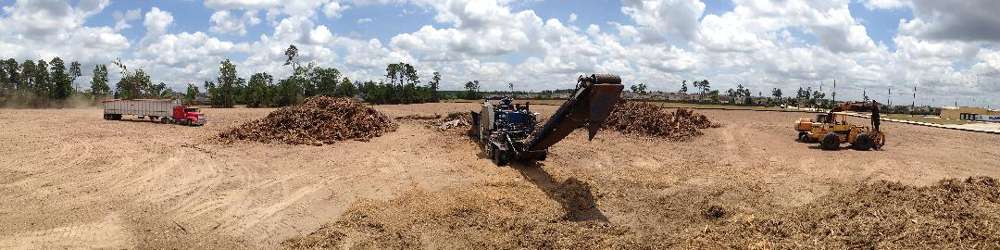
How Expansive Clay Soil Damages Foundations
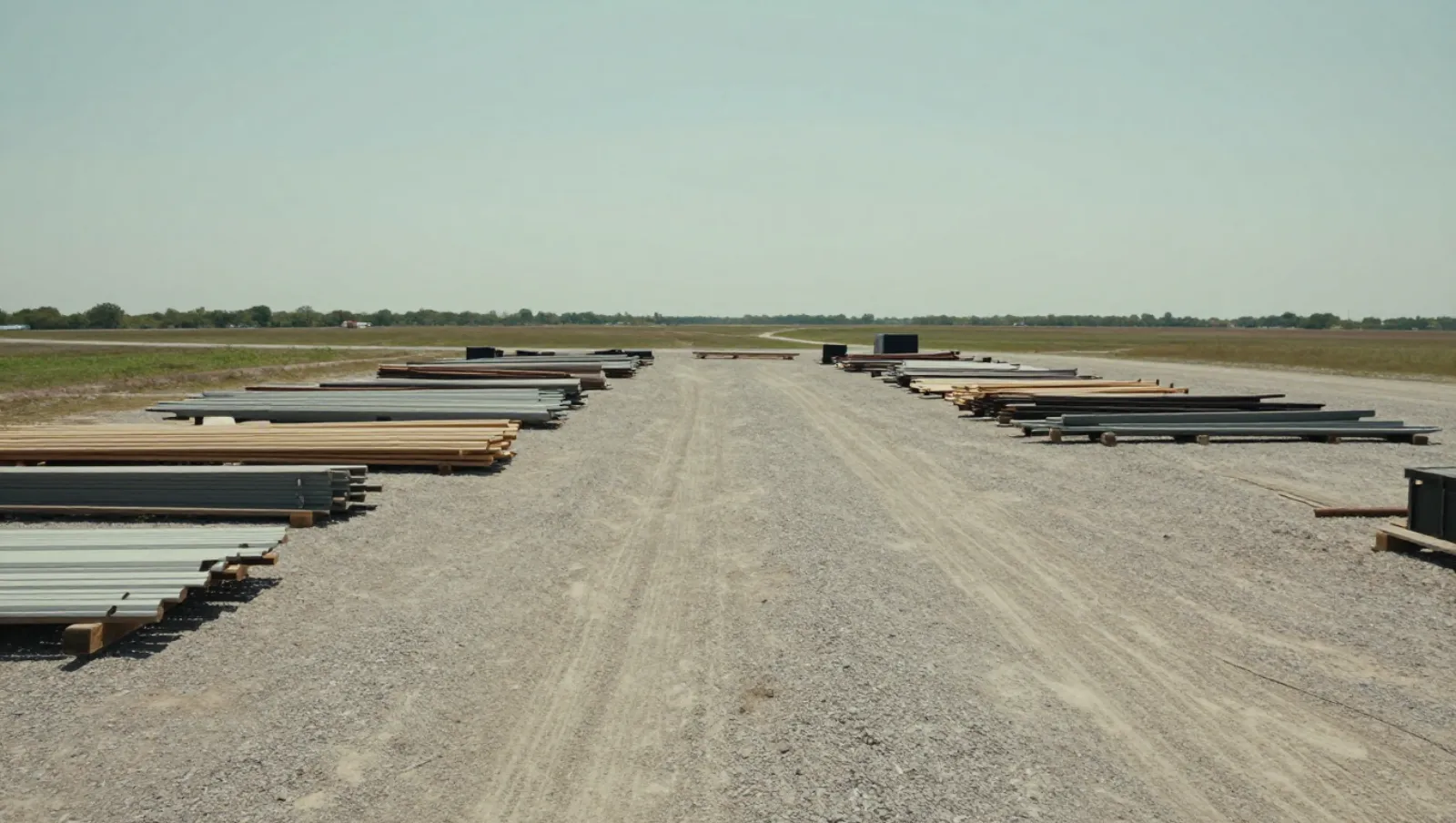
If you own property in Texas, the ground under your feet is not neutral. Much of the Houston and Conroe area sits on expansive clay soil, a type of earth that absorbs moisture and swells, then dries out and shrinks, over and over again. That constant back-and-forth does not just affect gardens and driveways. It works directly against your foundation, often for months or years before any visible sign appears. Understanding what is happening below grade is the first step to protecting what sits on top.
Texas soil is not passive. It moves, and so does everything built on it.
- According to the American Society of Civil Engineers (ASCE), expansive soils cause more financial damage to structures in the U.S. each year than floods, hurricanes, tornadoes, and earthquakes combined. (Source: ASCE via Texas Department of Licensing and Regulation)
- Expansive clay soil can expand up to 30% in volume when saturated, generating pressures measured as high as 15,000 pounds per square foot against concrete foundations. (Source: Homeowners of Texas / Texas Inspector)
What Expansive Clay Soil Actually Does Underground
Expansive clay soil is rich in minerals like montmorillonite, which pull water between their molecular layers and physically swell when wet. When that moisture evaporates, the clay contracts and pulls back. In Texas, where wet springs and blistering summers follow each other year after year, this cycle repeats constantly.
The problem is not just that the soil moves. It is that it rarely moves evenly. One corner of a slab may sit over a pocket of clay that drains faster than the rest. Another section might sit over a low spot where water pools after rain. That uneven soil movement puts differential pressure on a foundation, meaning one section gets pushed up while another settles down. That is where structural damage begins.
In practical terms, the soil beneath a home can shift by several inches over a season. Most foundations are not engineered to flex that much without consequences.
How Moisture Changes Accelerate the Problem
Moisture is the trigger. Without moisture swings, clay soil stays relatively stable. With them, it becomes one of the most destructive forces a building can sit on.
Several things make moisture changes worse in the Houston and Conroe area.
- Heavy seasonal rainfall saturates clay rapidly, causing quick swelling beneath the foundation perimeter
- Long dry spells draw moisture out of the soil, causing contraction and creating voids beneath the slab where there was once solid support
- Poor site drainage allows water to pond against or under the foundation instead of flowing away from the structure
- Tree roots near the foundation draw moisture unevenly from the surrounding soil, creating dry pockets that cause localized settlement
- Irrigation systems and leaking pipes add consistent moisture to one zone, creating a wet-dry differential across the footprint of a building
When soil moisture is inconsistent, foundation damage does not happen uniformly. It happens in patches, which makes repairs more complex the longer they go unaddressed.
If you are planning a new build or dealing with an existing drainage problem,our sediment control and soil loss prevention approach addresses these issues at the site level before they compound. Construction that disturbs an acre or more is covered by the TCEQ construction stormwater permit, so the erosion controls are a legal requirement on those sites, not just good practice.
Warning Signs That Soil Movement Is Affecting Your Foundation
Foundation damage from expansive clay soil tends to show up gradually. Most homeowners notice one or two signs and dismiss them, not realizing they reflect ongoing soil movement beneath the structure.
Some of the most common warning signs
- Diagonal cracks in drywall, especially near door and window corners
- Foundation cracks that grow or reappear after being patched
- Doors and windows that stick, feel stiff, or no longer latch properly
- Uneven or sloping floors, particularly toward the center or edges of the slab
- Gaps forming between walls and ceilings, or between trim and baseboards
- Stair-step cracking in brick on exterior walls
- Water pooling against the foundation after rain
Any one of these can have other explanations. But when two or more appear together, soil movement is almost always involved. Foundation cracks that appear seasonally, widen during dry stretches, or come back after repair are a particularly reliable indicator that expansive clay soil is the root cause.
What Property Owners Can Do to Reduce Soil Movement
You cannot change the soil type on your property. But you can control how much moisture reaches it and how evenly that moisture is distributed. That is the practical goal.
- Grading is the most important factor. The ground around your structure needs to slope away from the foundation, not toward it. The general rule is a six-inch drop in elevation within the first ten feet from the foundation. Flat or negative grades allow water to pool against the slab, feeding the expansion cycle directly. Proper grading and drainage, installed before or corrected after construction, reduces that exposure significantly.
- Drainage systems control what grading alone cannot. French drains, surface channel drains, and swales redirect water that would otherwise soak into the clay around your foundation. On properties with heavy clay content, drainage infrastructure is not optional. It is what keeps the soil at a stable enough moisture level to prevent major movement.
- Consistent soil moisture matters more than low moisture. A foundation sitting on soil that stays at a steady moisture level, even if that level is somewhat elevated, tends to fare better than one sitting on soil that swings dramatically from saturated to bone dry. Avoiding extreme highs and lows is more important than chasing dry conditions.
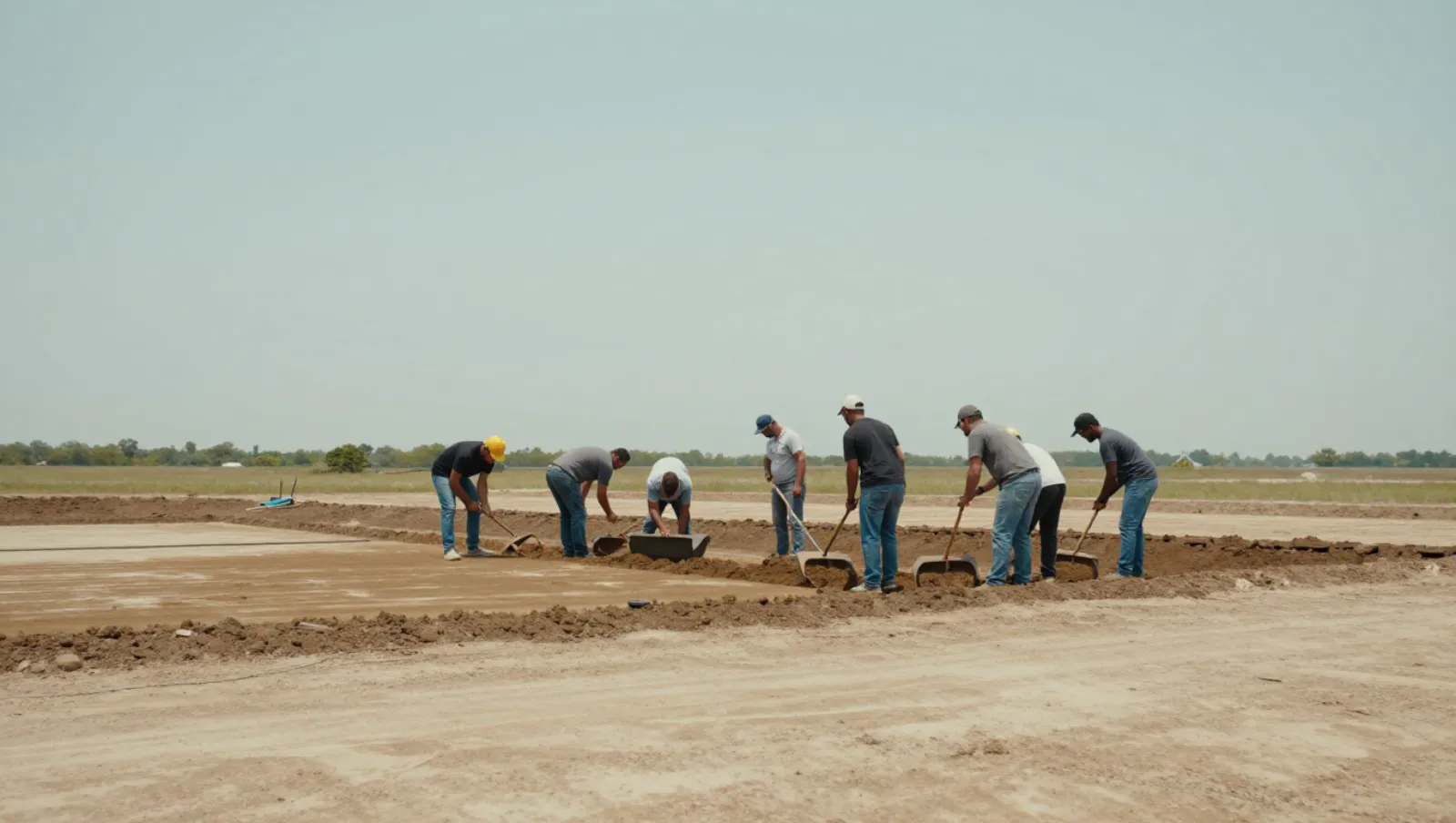
If you are evaluating a site for development or preparing land for a new build, decisions made during grading and drainage design will directly affect the long-term stability of anything constructed on that site. We covered the difference between getting that right from the start versus after the fact in ourland grading contractor vs. DIY breakdown.
How Professional Grading, Excavation, and Drainage Protect Building Sites
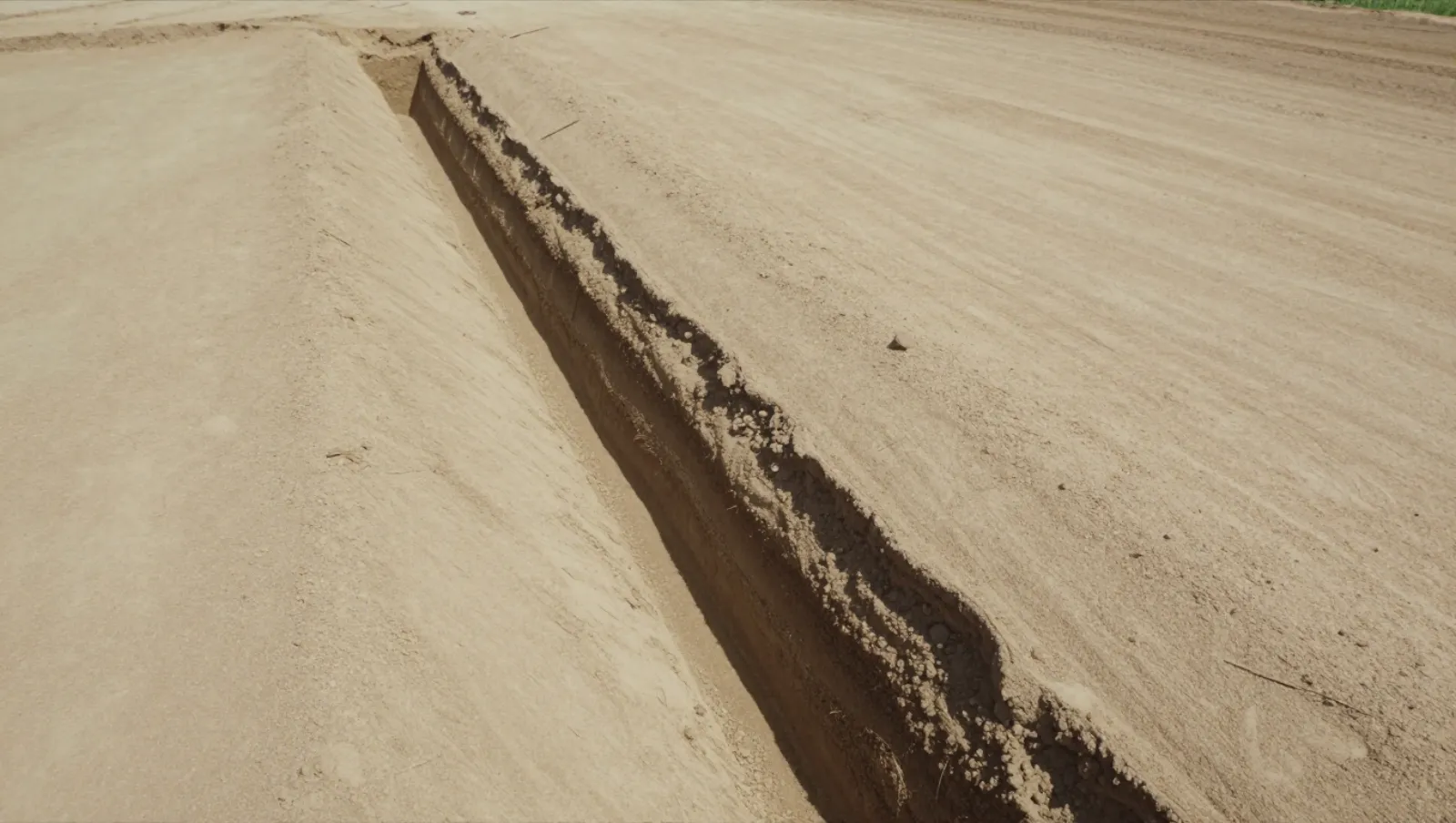
AtDaniel Dean, we work across the Houston and Conroe area on properties where soil conditions have already created problems, and on new sites where the goal is to get drainage and grading right before a foundation ever goes in.
Our work on the ground includes establishing proper surface slopes, cutting swales and drainage channels to handle runoff, and identifying low spots that would trap water against footings. For raw land being prepared for a build,lot clearing and site preparation sets the drainage and grading baseline that everything else depends on. Getting that right from the start is far less costly than correcting foundation damage later.
We also work on existing properties where drainage has been neglected or redirected by landscaping, neighboring earthwork, or construction changes. Regrading, swale installation, and slope correction are all standard parts of what we do.
Texas soil is not going to change. The clay is there, and it will move with moisture. What we can control is how water reaches it and whether the site is set up to shed it consistently year after year. If you are dealing with drainage concerns or planning a project, reach out for a free quote.
Get a free quote from Daniel Dean today.
Final Thoughts on How Expansive Clay Soil Damages Foundations
Expansive clay soil is one of the biggest threats to foundations in Texas because it constantly expands and contracts as moisture levels change. Over time, this soil movement can lead to foundation damage, cracks, uneven settling, and costly repairs. The good news is that proper grading, drainage, and site preparation can significantly reduce these risks before they turn into major structural problems.
If you notice warning signs around your property or are planning a new construction project, now is the time to address the condition of your land. Daniel Dean provides professional land clearing, excavation, grading, drainage, and site preparation services that help create stable building sites across the Houston and Conroe area.
Have questions or need help with your property?Contact Daniel Dean today for a free quote or to learn how our land clearing and dirt work services can help protect your investment.
About the Author
Daniel Dean is the founder of Daniel Dean Land Clearing and Dirt Work, serving property owners, builders, and developers across the Houston and Conroe, Texas area. With years of hands-on experience in excavation, land grading, site preparation, and drainage planning, Daniel and his crew bring local knowledge and the right equipment to every job. Whether it is raw land being cleared for a new build or an established property dealing with drainage and soil issues, Daniel Dean delivers results built to last in Texas soil conditions.
Frequently Asked Questions
- What is an expansive clay soil?
- Expansive clay soil is a type of soil that swells when it absorbs water and shrinks as it dries. This repeated movement places stress on foundations, driveways, and other structures built above it.
- What are the problems with expansive clay soil?
- Expansive clay soil can cause foundation cracks, uneven settling, sticking doors and windows, and damage to concrete surfaces. Without proper grading and drainage, these issues often become more severe over time.
- What are the three types of clay soil?
- The three main types of clay soil are kaolinite, illite, and montmorillonite. Montmorillonite is the most expansive and is the primary cause of soil movement and foundation damage in many parts of Texas.