Land Clearing Contractors for Residential Properties
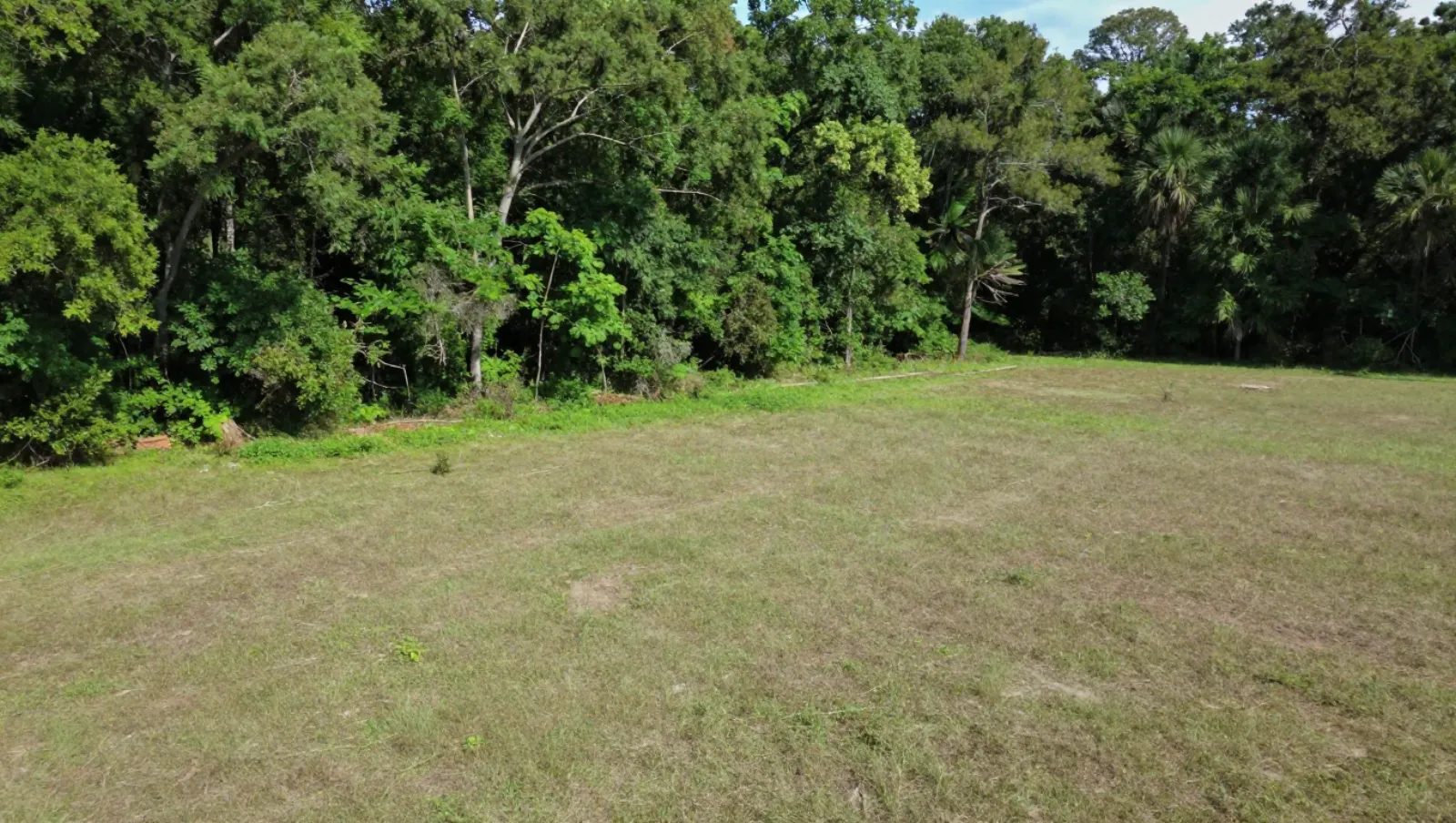
When homeowners look at a wooded or overgrown lot and start picturing what it could become, the first real question is always the same: where do we even start? The honest answer is that residential land clearing is a lot more involved than most people expect. Choosing the right land clearing contractors from the beginning determines whether your project stays on schedule, stays within budget, and ends with a property that's actually ready for what you have planned. We've been doing this work in Texas for over 30 years, and how you start matters as much as anything else.
Proper site preparation sets the foundation for everything that follows.
- Texas led the nation in new residential building permits in 2024, with Houston alone approving 65,747 residential permits that year, according toU.S. Census Bureau data via Construction Coverage.
- Residential lot clearing typically costs between $1,200 and $8,000 per acre depending on vegetation density, terrain, and debris disposal requirements, perHomeGuide's 2026 land clearing cost data. That is a national figure. Our own work in Southeast Texas starts at $2,700 per acre for forestry mulching on larger tracts and runs to $11,000 per acre when a dozer crew has to clear a single acre and haul the debris off site. Those rates cover brush and small trees up to 5 inches across; mature timber, and digging stumps out with an excavator, are quoted separately after we walk the property.
What Residential Land Clearing Actually Involves
Most homeowners come to us with one of a handful of goals: building a new home, adding a structure or barn, putting in a driveway, creating a pond, or just opening up the land for landscaping and use. Each one of those projects requires a different approach to clearing, and a crew that treats them all the same way is going to create problems down the road.
Residential land clearing is different from commercial work. We're not just bulldozing everything flat. On a residential property, you get one shot at keeping mature trees that add value, shade, and character to your land. Once they're gone, they're gone. That's why we walk every property with the homeowner before anything gets touched. We talk through where the house pad, driveway, or pond needs to go, which trees are worth preserving, and where water naturally flows across the land.
Ourland clearing services typically include brush removal, tree clearing services, stump removal, grading, drainage planning, and debris disposal. The order matters. Brush removal should always come first, before tree clearing services begin. When you skip that step and go straight to knocking over trees, you end up with a tangled mess that's harder and more expensive to clean up.
Planning Your Project Before Work Begins
The biggest mistake homeowners make is calling land clearing contractors after they've already committed to decisions that should have involved them from the start. Site preparation services need to be part of the planning conversation from the beginning, not an afterthought.
Here's what we look at when planning a residential clearing project:
- Property elevation and drainage. Where does water go when it rains hard? Texas clay soil does not absorb water quickly, and if grading is off, you end up with drainage problems that affect your foundation, driveway, and any structures on the property. We factor drainage into the clearing plan from the start.
- House pad or structure placement. The location of your home or barn affects everything else. It determines where the driveway needs to go, which trees can stay, and how the land needs to be graded. Getting this right upfront saves a lot of expensive rework.
- Utility lines and underground infrastructure. Before any digging or heavy equipment work begins, we confirm the location of buried utilities. This is non-negotiable.
- What you want to keep. Some homeowners want everything cleared. Others want to preserve mature oaks or keep a tree line for privacy. We can work around both. The key is knowing your priorities before equipment ever rolls onto the property.
For projects involving ponds, we pair clearing with ourpond and lake services so the site prep and excavation are coordinated from the start. For properties where new construction follows the clearing work, ourdirt work and site preparation services pick up where clearing leaves off.
Permitting Considerations for Texas Homeowners
Permitting for land clearing in Texas depends heavily on where your property is located. If you're outside city limits in a rural county, you often won't need a permit at all for the clearing itself. But if your property falls within city limits or in a city's extraterritorial jurisdiction (ETJ), local tree ordinances and grading regulations may apply.
In Houston and the surrounding Harris County area, permits for tree and vegetation removal can range from $135 to $675 depending on the size and number of trees involved. Some Texas municipalities require permits specifically for removing trees over six inches in diameter.
Properties near waterways, floodplains, or wetlands carry additional requirements. Any clearing near a creek, drainage channel, or standing water may require review under state or federal environmental guidelines.
Good land clearing contractors know the permit requirements in their service area and handle this for you. We're familiar with the requirements across Houston, Conroe, and the surrounding areas. When a permit is needed, we walk clients through what's required before work begins so there are no surprises or work stoppages mid-project. Getting this squared away ahead of time keeps the project on track.
Common Residential Clearing Projects We Handle
- New home construction lots. This is our most common residential project. We clear the building footprint, create access for construction equipment, establish the driveway corridor, and grade the lot for proper drainage. Stumps under a future foundation must be fully removed and the holes properly backfilled and compacted. Leaving organic material under a slab creates voids as it breaks down, which can cause foundation shifting over time.
- Pond construction. Before any excavation happens, the area around a future pond needs to be cleared. We coordinate the brush removal services and tree clearing with the pond construction work so equipment can move freely and the finished result looks clean. Oursite grading for pond preparation also accounts for erosion control around the pond banks after construction is complete.
- Driveway and road construction. A driveway through a wooded property requires precise tree clearing services along the planned route. We clear enough width for the driveway itself plus drainage on either side, and we typically recommend clearing at least 20 feet on your side of any fence line so you're not constantly dealing with regrowth.
- Landscaping and property improvement. Sometimes homeowners just want to walk their land or open up space for a yard without a major construction project behind it. Brush removal services alone can completely change how a property looks and feels. When land clearing contractors handle only the brush, every mature tree you have suddenly becomes visible, and most homeowners are glad they didn't touch them.
For properties with rough or uneven terrain, we also offerrough terrain yard smoothing after clearing is complete.
How We Minimize Unnecessary Property Disturbance
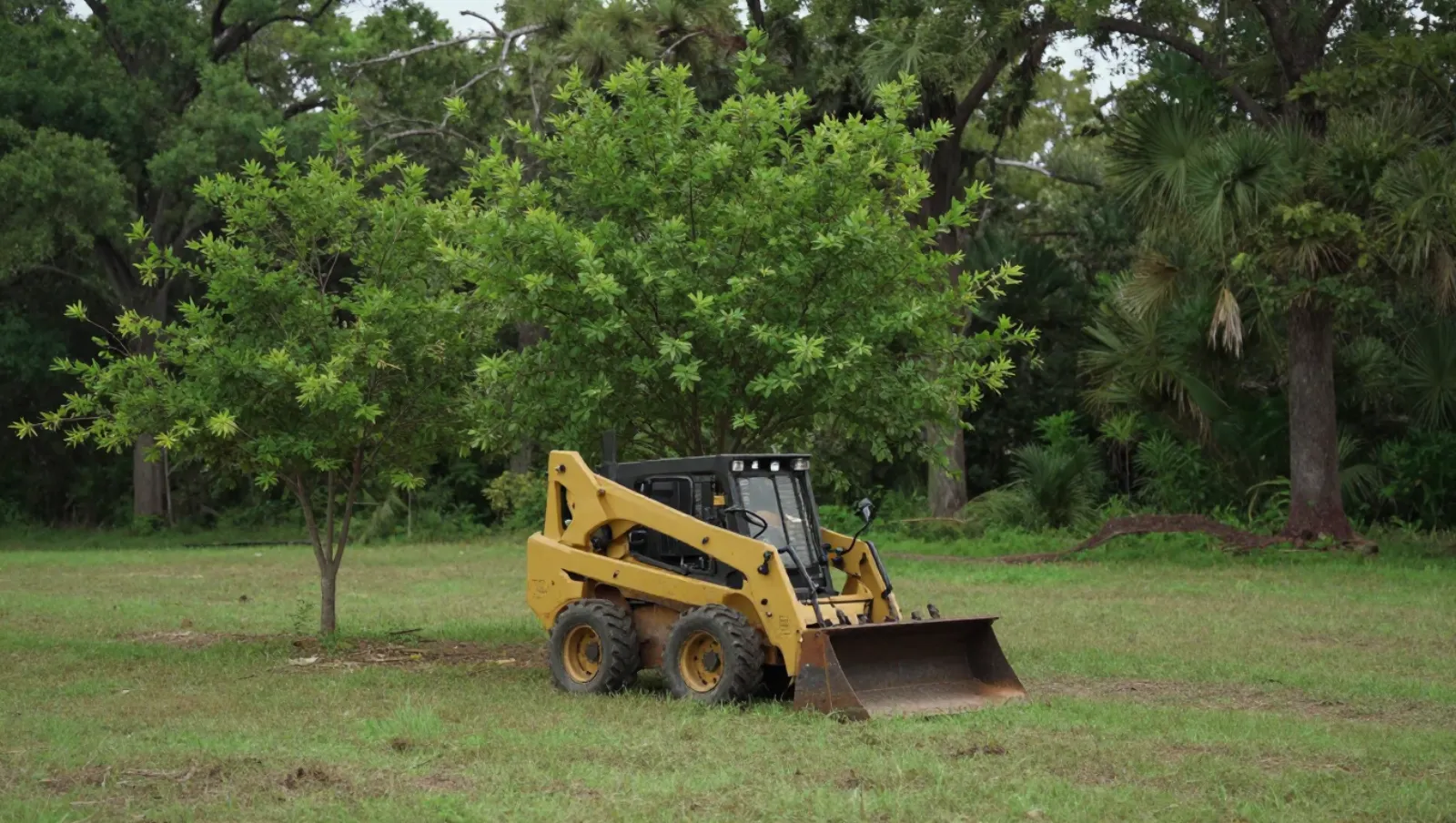
One thing that separates experienced land clearing contractors from operators who just show up with a skid steer is how they handle what stays on the property.
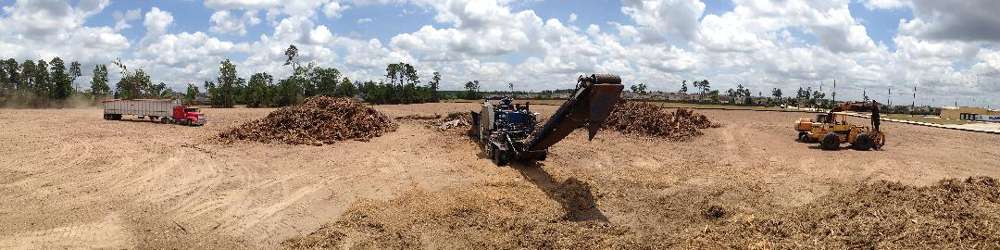
We pick the method per job, and the honest difference comes down to root systems. Forestry mulching grinds standing brush in place and leaves the material on the ground as mulch. It is the least expensive thing we do, there is no debris pile to deal with afterward, and for opening up pasture, trails, fence lines, and overgrown acreage it is usually the right answer. What it does not do is take out stumps or root systems, so the brush comes back over the next couple of growing seasons unless the area gets maintained. Where you're building a house, a barn, a driveway, or anything else that has to sit on stable ground, we run a bulldozer instead and uproot the brush and smaller trees with the root system intact, taking the stump at the same time. That costs more, because uprooting creates debris that then has to go somewhere, but it means you're not re-clearing the same overgrowth every year or finding organic material under a slab later.
We're also careful about where heavy equipment travels across your property. Tracked equipment on wet soil compacts the ground, which can create drainage problems and kill root systems of trees you're trying to save. We pay attention to where we're running our machines, especially around trees the homeowner wants to keep.
Debris disposal is priced separately from the clearing itself, and the options are not interchangeable. Blading the pile off to one side of the property is the cheapest. Grinding it down in one spot so the material stays on site costs more. Hauling it off entirely — by tub grinder and truck, or loaded into roll-off containers — costs the most, and on a small tract it can nearly double the job. Where county burn bans aren't in effect, piling it for the homeowner to burn is sometimes an option too. We go over these during the estimate and the written number says which one it assumes, so there are no surprises on cost. Before anything is lit, check the TCEQ outdoor burning rules and your county’s current burn ban, which changes with drought conditions.
You can read more about the differences between DIY approaches and professional equipment in our post onbrush clearing tools vs. professional land clearing, and for a broader look at our capabilities across Texas, ourTexas land clearing contractor services page covers the full scope of what we do.
Final Thoughts on Land Clearing Contractors
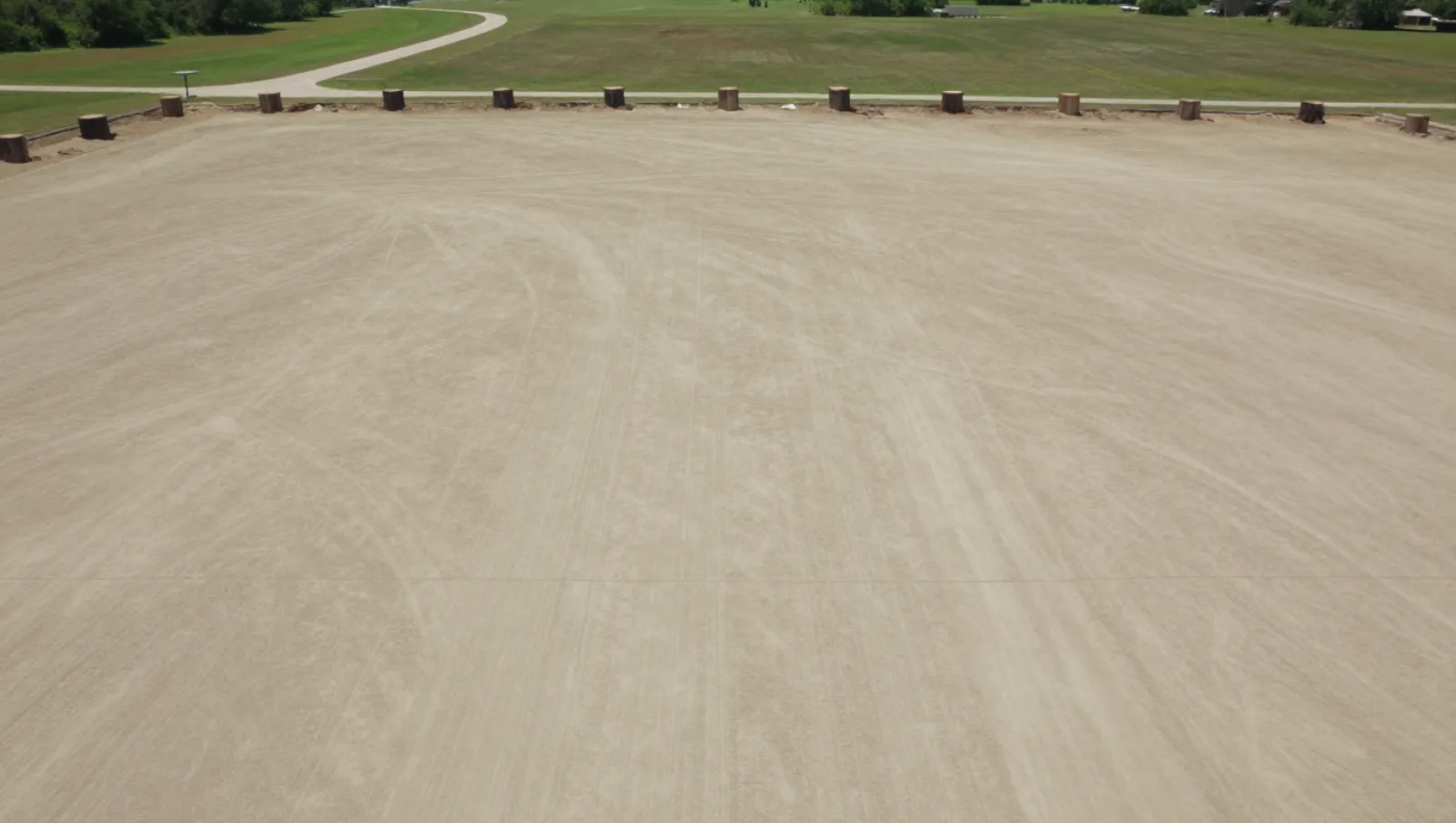
Residential land clearing is one of those jobs where the decisions you make at the start have a long tail. Get the clearing sequence wrong, miss a drainage issue, or take out trees that should have stayed, and you're dealing with those problems for years. Working with experienced land clearing contractors who walk the property with you, explain the process, and think ahead to what comes after clearing makes a real difference in how your project turns out.
If you're preparing a residential lot for new construction, a pond, a driveway, or any other improvement across the Houston and Conroe area, we're ready to help.Contact us to talk through your project and get a free estimate. Whether you have a clear plan or you're still figuring out where to start, we can work through it with you.
About the Author
Daniel Dean has over 30 years of hands-on experience in land clearing and dirt work across the Houston and Conroe, Texas area. He and his team specialize in residential and commercial site preparation, brush removal, pond construction, drainage solutions, and erosion control. Daniel Dean Land Clearing and Dirt Work is known across the region for straightforward work, honest estimates, and land that's truly ready when the job is done.
Frequently Asked Questions
- How long does residential land clearing take?
- A typical residential lot under one acre can be cleared in one to two days when land clearing contractors have the right equipment on site. Larger lots, heavily wooded properties, or sites that also need grading and stump removal after clearing may take three to five days or more. Weather, permit processing, and site access all factor into the timeline.
- Do I need a permit to clear land in Texas?
- It depends on where your property is. Outside city limits in rural counties, permits are often not required. Inside city limits or in a city's ETJ, local tree ordinances or grading regulations may apply. Properties near water bodies typically require additional review. We help clients determine what permits are needed before we start any work.
- What is the cheapest way to clear land?
- The cheapest method depends on the amount of vegetation and the size of the property. Light brush and small trees up to 5 inches across are usually cleared with a forestry mulcher, which is the cheapest option because it grinds growth to chips on site and leaves the stumps in the ground. Heavily wooded lots, and any lot where the stumps have to come out, take a dozer or an excavator and cost more.
- What is land clearance?
- Land clearance is the process of removing trees, brush, stumps, rocks, and other obstacles to prepare a property for construction, agriculture, landscaping, or other improvements. It often includes grading and debris removal to create a safe, usable site.