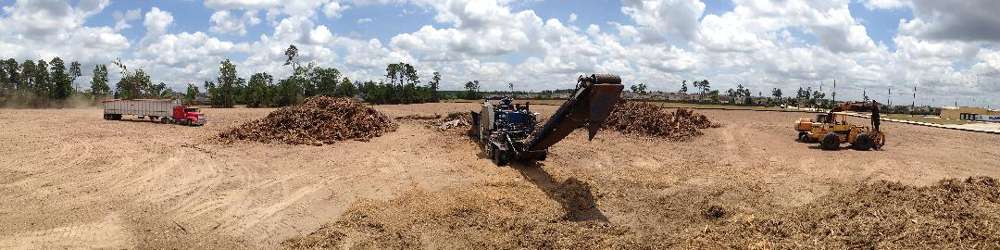
Pond Liner Adhesive and Other Essentials for a Pro Pond Build
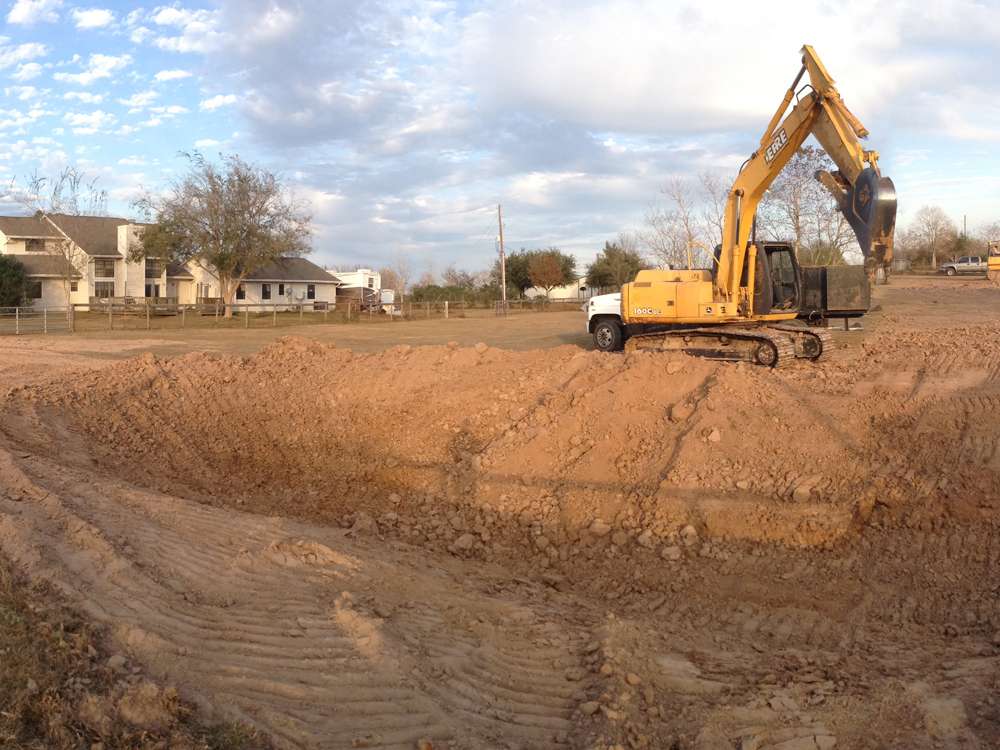
Have you ever noticed your backyard pond slowly losing water and wondered why? Using the right pond liner adhesive is critical to prevent leaks, yet many DIY projects fail to secure liners properly. A single puncture as small as a pinhole, about 1/16th of an inch, can drain up to five gallons of water every day. In Texas, where over 60 percent of the soil consists of high-plasticity shrink-swell clays, improper adhesives and underlayment can cause standard seams to pull apart within two years. Texas Parks and Wildlife publishes free guidance on managing private lakes and ponds that is worth reading before you commit to a plan.
Professional pond builders rely on high-quality pond glue for liners and choose the best adhesive for pond liner materials to ensure lasting water retention. Proper installation prevents costly repairs and structural damage, keeping ponds healthy and stable.
In this blog post, we will explore how pond liner adhesive works, the essential materials for a durable pond, common mistakes to avoid, and the preparation steps that make a professional pond build successful.
What Pond Liner Adhesive Does in a Professional Pond Build
A pond liner forms the waterproof barrier that holds water inside a pond. However, most ponds require more than one sheet of liner or additional connections around filters, skimmers, and waterfalls. This is where pond liner adhesive becomes essential.
Pond liner adhesive creates a waterproof bond between liner materials. Builders use it to seal seams, repair small punctures, and attach liner edges to surrounding structures. Without proper adhesive, even a high quality liner can develop leaks over time.
Professional installers often rely on specialized pond glue for liners designed for different liner materials such as EPDM rubber or PVC. These adhesives remain flexible after curing, which allows the liner to expand and contract with temperature changes and water pressure.
Common uses for pond liner adhesive include:
- Sealing seams when multiple liner sheets must connect
- Repairing punctures or tears in the liner
- Securing liner edges around rocks or retaining structures
- Attaching liners to skimmers, drains, or waterfall boxes
Choosing the best adhesive for pond liner materials ensures the bond stays strong even under constant water exposure. High quality adhesive prevents leaks and helps the entire pond system remain stable for years.
Essential Materials Every Pro Pond Build Requires
Pond liner adhesive is only one part of a professional pond installation. A durable pond depends on several key components that work together to create a stable and functional water feature.
Before building a pond, professionals gather all necessary materials to ensure the installation process moves smoothly.
Below are the most important materials used in most pond construction projects.
| Essential Material | Purpose in Pond Construction |
|---|---|
| Pond liner | Creates the waterproof barrier that holds water |
| Underlayment | Protects the liner from rocks, roots, and soil pressure |
| Pond liner adhesive | Seals seams and repairs liner connections |
| Skimmer system | Removes debris from the water surface |
| Pump and filtration system | Circulates water and maintains water quality |
| Rocks and edging materials | Protect liner edges and improve appearance |
Underlayment plays an important protective role. Soil often contains sharp stones, roots, and debris that can puncture liners over time. A thick underlayment layer cushions the liner and reduces the risk of damage.
Pumps and filtration systems also support long term pond health. Circulating water prevents stagnation and helps maintain oxygen levels for fish and aquatic plants.
When all these materials work together, the pond becomes both visually appealing and structurally reliable.
Common Mistakes That Ruin Pond Liner Adhesive Seals
Even the best adhesive for pond liner installations can fail if builders apply it incorrectly. Many pond leaks occur because installers overlook simple but critical steps during the bonding process.
Understanding these mistakes helps property owners prevent problems before they begin.
The following issues often weaken pond liner adhesive seals:
- Applying adhesive to dirty or wet liner surfaces
- Using the wrong type of pond glue for liners
- Failing to allow the adhesive enough curing time
- Creating seams without proper overlap between liner sections
- Stretching the liner too tightly before sealing
Surface preparation is one of the most important steps. Dirt, algae, and moisture can prevent adhesive from bonding properly. Professionals always clean and dry liner surfaces before applying adhesive.
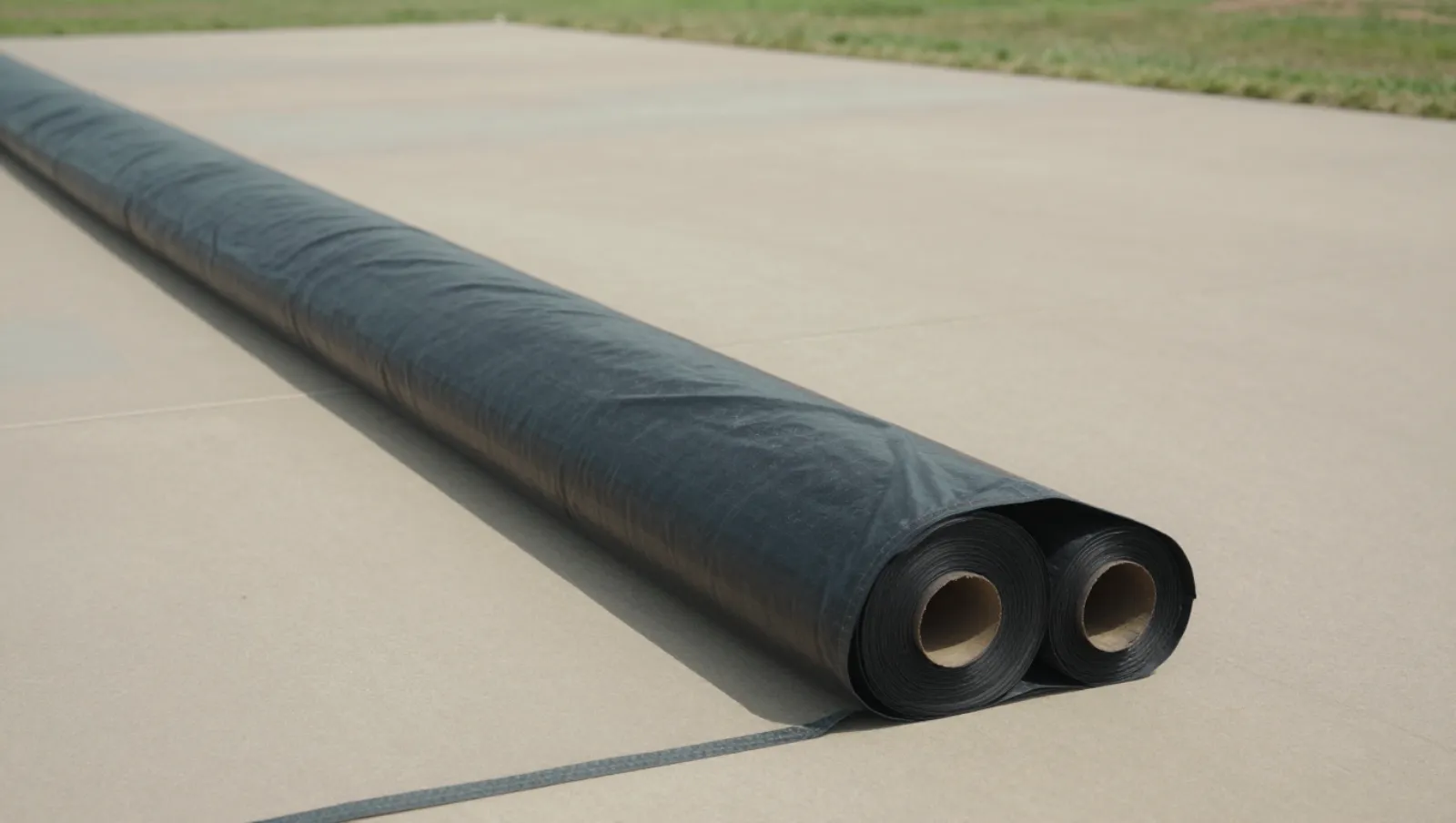
Incorrect seam overlap can also cause failure. Most liner seams require several inches of overlap to ensure the adhesive forms a strong waterproof bond.
When leaks appear after installation, the repair process can require draining the pond and replacing damaged sections. Using the right adhesive during construction helps avoid these costly setbacks. For a better understanding of potential expenses and the benefits of professional installation, check out this guide comparing the cost to dig a pond DIY versus hiring professionals.
Why Proper Site Preparation Matters Before Installing a Pond Liner
Even the strongest liner and adhesive cannot compensate for poor site preparation. The ground beneath a pond plays a major role in long term durability and structural stability.
Professional builders begin every pond project with careful site evaluation. This process often includes clearing vegetation, removing rocks, and grading the soil to create a stable base.
Several site preparation steps help protect pond liners:
- Removing tree roots that could puncture the liner
- Eliminating sharp rocks and debris
- Creating smooth soil slopes around pond edges
- Compacting the soil to prevent shifting or sinking
Land clearing and grading services often handle these steps before construction begins. Property owners searching for pond service companies near me often discover that experienced contractors handle both land preparation and pond installation.
Proper site preparation reduces liner stress and helps adhesives maintain strong bonds. When the soil remains stable, seams stay sealed and the pond structure stays intact. For guidance on repairing or reinforcing your pond liner, you can follow this step-by-step guide on how to patch an EPDM pond liner to ensure a durable and leak-free seal.
Why Many Property Owners Trust Professionals for Pond Site Preparation
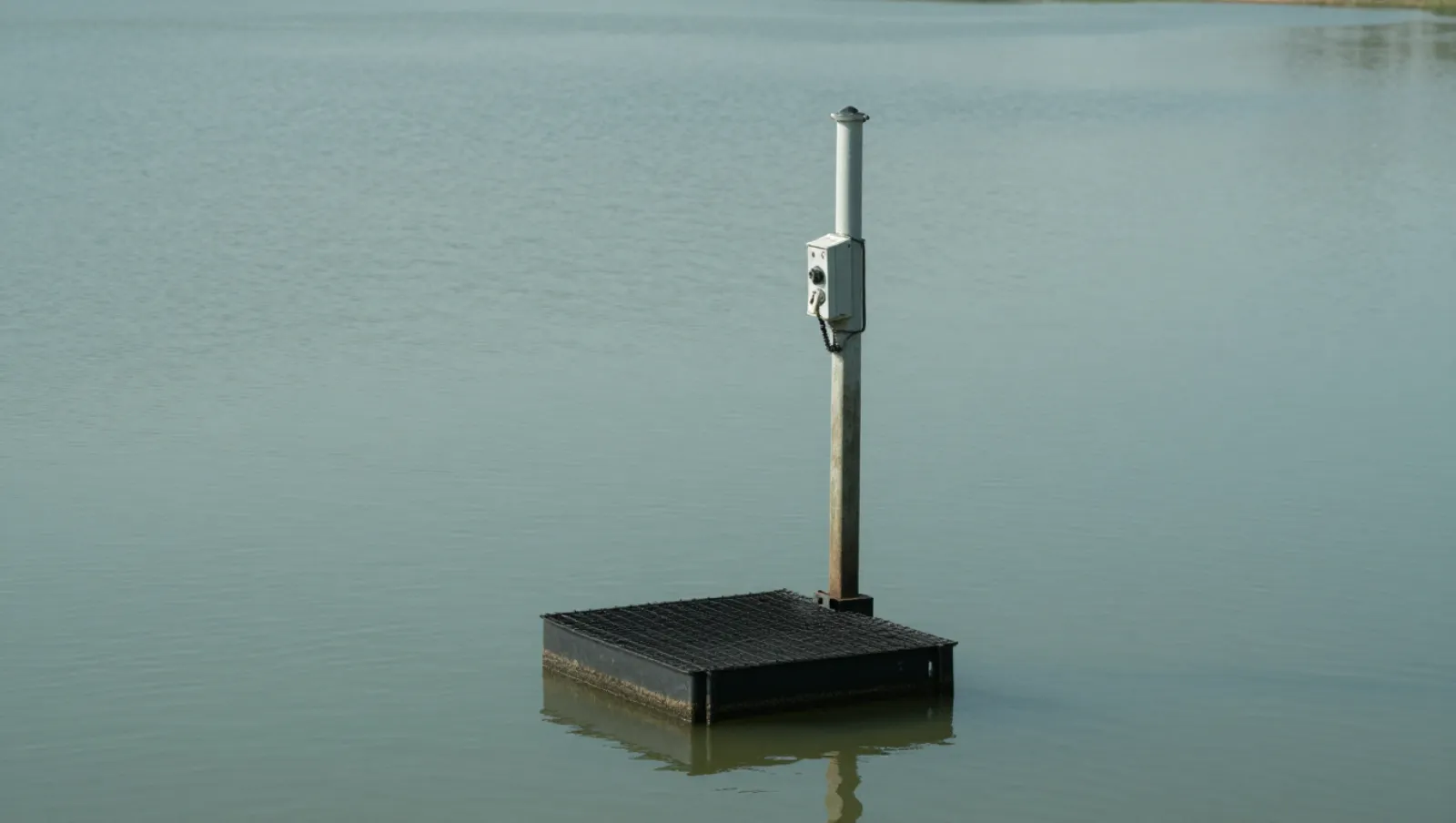
Building a pond that holds water reliably starts long before the liner goes in. Proper site preparation is critical to ensure durability, prevent leaks, and protect your investment. Many property owners in Houston and surrounding areas trust Daniel Dean Land Clearing Services because of their experience, specialized equipment, and comprehensive approach to pond construction.
Daniel Dean provides full-service land clearing, grading, and dirt work that prepares your property for a pond installation. Their team removes vegetation, clears rocks, eliminates debris, and compacts soil to create a stable, smooth base. These steps reduce stress on liners and adhesives, preventing costly failures later. By handling all aspects of site preparation, Daniel Dean ensures ponds are built on a foundation designed to last.
Whether you are creating a fishing pond, a livestock water source, or a decorative backyard feature, Daniel Dean’s expertise guarantees professional results. Property owners searching for pond service companies near me often discover that Daniel Dean combines experience, equipment, and hands-on knowledge to deliver reliable, long-lasting pond projects.
Final Thoughts on Pond Liner Adhesive and Other Essentials
A successful pond build depends on more than just the liner. Using high-quality pond liner adhesive, selecting the right materials, avoiding common installation mistakes, and preparing the site properly all contribute to a durable, leak-free pond. Professional-grade adhesives protect seams, underlayment cushions the liner, and proper land preparation prevents soil movement from compromising the structure.
Property owners who plan ahead and rely on experienced teams see long-lasting results and fewer costly repairs. Whether you are installing a decorative backyard pond, a fishing pond, or a water source for livestock, investing in the right materials and professional expertise ensures your pond performs as intended for years.
If you have questions about pond construction or need expert land clearing and site preparation, contact Daniel Dean Land Clearing Services. Our team can guide you through every step, from clearing and grading your property to building a reliable pond. Reach out today through our contact page to discuss your project.
Frequently Asked Questions
- Can you glue a pond liner together?
- Yes, you can glue a pond liner together using a specialized pond liner adhesive or pond glue for liners. This is especially important when joining multiple sheets of EPDM or PVC liners. Proper seam preparation, including cleaning and drying the surfaces, ensures a strong, waterproof bond that prevents leaks.
- What to use to stick pond liner to concrete?
- To attach a pond liner to concrete, use a high-quality adhesive designed for pond applications, often labeled as the best adhesive for pond liner. EPDM liners require EPDM-compatible adhesives, while PVC liners need a PVC-specific product. Always clean and dry the concrete surface before applying adhesive to ensure a secure, long-lasting seal.
- Can you glue a pool liner?
- Yes, pool liners can be glued, but you must use a liner-specific adhesive compatible with the material. For vinyl or PVC pool liners, select a manufacturer-approved pool adhesive. Always follow instructions for curing time and seam overlap to avoid leaks and maintain a waterproof bond.