Site Grading and How to Prepare Land for a New Pond
A pond looks simple once it's finished, just a hole that holds water. Getting there without cracks, slow leaks, or a bank that erodes by year two starts well before the excavator shows up. Site grading sets the slope, controls where runoff goes, and decides whether the soil under your future pond can actually hold water or needs help. Skip it, and even a well shaped basin can fail. Here's what proper grading looks like before pond construction starts, based on our own field experience building and repairing ponds across Texas.
The short version, a pond is only as good as the ground it's built into.
A couple of numbers worth knowing first.
- Compacted or poorly graded ground can push runoff to five times what a forested area of the same size produces, according to EPA watershed data, which is exactly the kind of extra water a badly graded site sends straight into a new pond during storms (EPA EnviroAtlas).
- For a pond to hold water without a synthetic liner, federal design guidelines call for at least two feet of natural, low permeability soil under the sides and bottom, otherwise a compacted clay liner has to be built to make up the difference (USDA NRCS).
Why Site Grading Comes Before Pond Excavation Begins
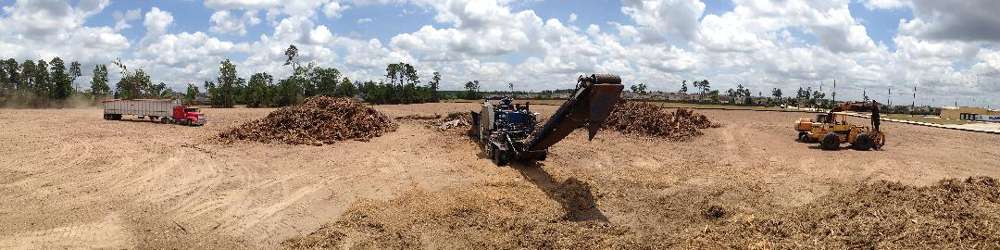
Before any pond excavation starts, the surrounding land needs a slope that moves water where you want it, not wherever gravity happens to take it. Site grading establishes that slope, corrects low spots that would otherwise flood the work site, and gives the excavator a stable platform to work from.
Skipping straight to digging, without grading the surrounding ground first, is one of the more common reasons a new pond ends up taking on more runoff than it was ever designed to hold.
Slope and Soil Conditions Worth Checking First
Two things decide how well a pond site is graded before a single scoop of dirt moves.
- Slope. A pond needs enough natural fall to move runoff toward the basin without eroding the banks along the way. Too flat, and water sits and stagnates at the edges. Too steep, and incoming runoff carries sediment straight into the pond.
- Soil type. Texas soil ranges from sandy loam that drains too fast to hold water, to heavy clay that can seal a pond almost on its own. A quick field test tells you a lot. Roll a handful of excavated soil into a pencil shape. If it bends without breaking, there's usually enough clay content to hold water once it's compacted properly.
Drainage Planning Before the Excavator Arrives
Drainage planning has to happen at the same time as grading, not after. Water that already flows onto a property before construction will keep flowing there once work starts, so the plan needs to account for it from day one.
- Surface drainage uses swales or berms to redirect runoff around the pond
- Underground drainage uses buried pipe and catch basins where grading alone isn't enough
- A properly placed inlet reduces how much sediment enters with the incoming water
- An outlet keeps the pond at its intended level and lets excess water leave at a controlled rate
Getting drainage planning wrong is one of the fastest ways to end up with a pond that silts in within a few years.
Pond Excavation and Building the Basin Right
Pond excavation is where the decisions made during grading actually take shape.
| Step | What Matters | Why It Matters |
|---|---|---|
| Topsoil removal | Strip and stockpile it before digging | It won't support plant growth once buried under the pond floor |
| Depth | About 15 to 18 feet is usually plenty | Deep enough for fish, shallow enough for light to reach vegetation zones |
| Lining | Compacted clay liner if natural clay is thin | Prevents seepage that would otherwise drain the pond |
| Basin shape | Wider and shallower over deep and narrow | Reduces dirt volume and lowers excavation cost |
Pond excavation without a plan for the spoil almost always creates a second problem, a pile of dirt with nowhere useful to go. Deciding on the spoil location during the grading phase, not after, avoids that.
Erosion Control During and After Construction
Erosion control matters most in the weeks right after digging, before grass or ground cover has a chance to establish.
- Bare soil around a new pond washes straight into the basin with the next hard rain
- A well built inlet slows incoming water enough to drop sediment before it reaches open water
- Reestablishing grass on the banks as soon as grading finishes protects the soil while it's most exposed
- On sloped sites, erosion control sometimes means small check dams or temporary silt fencing until vegetation takes hold
Skipping erosion control to save a few days on the schedule is one of the more expensive shortcuts on a pond project, since fixing a silted in pond later costs far more than protecting the banks up front.

Grading Mistakes That Cause Problems Down the Road
Most pond problems trace back to how the site was graded, not how it was dug.
- Grading toward a neighboring property instead of away from it, which can create a drainage dispute even if the pond itself holds water fine
- Skipping a soil test and assuming clay is present, only to discover otherwise once the pond won't hold water
- Compacting the base unevenly, leaving part of the basin bottom higher than the rest
- Waiting until after excavation to plan for spoil disposal instead of deciding during the site grading phase
Getting site grading right the first time costs less than fixing a leaking or eroding pond a year later.
How We Handle Site Grading for Pond Projects
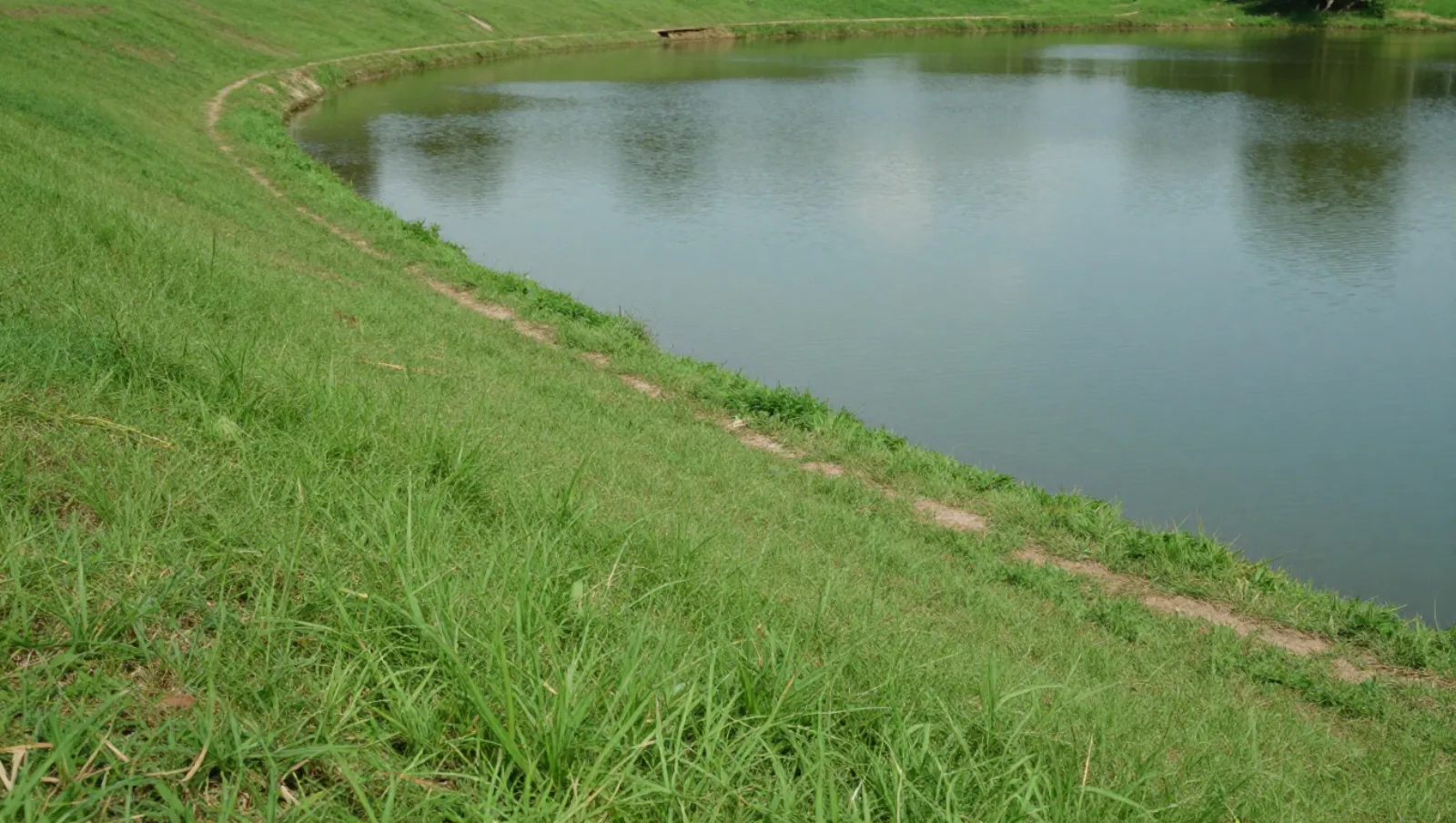
We've been grading, excavating, and building ponds across Texas for more than 30 years, and most of what goes wrong on a project traces back to a step skipped early on.
- We test the soil before we quote the job, not after we're already digging
- We plan drainage and grading together, so runoff has somewhere to go before the first storm
- We strip and save topsoil, then bring it back once the pond is shaped
- We handle detention and retention pond construction as part of our broader site work and grading services
You can see our full range of pond and lake work on ourPonds and Lakes page, and our grading and site prep services on ourDirt Work page.
Final Thoughts on Site Grading
A pond that holds water for decades and one that leaks by its second summer usually look the same on paper. The difference is almost always in the site grading, drainage planning, and soil work that happened before the first scoop of dirt came out. Get the slope right, plan for where runoff goes, protect the banks while they're bare, and the excavation itself is the easy part. If you're planning a new pond, or trying to figure out why an existing one won't hold water,contact Daniel Dean and we'll walk the site with you before any equipment shows up. Texas Parks and Wildlife publishes free guidance on managing private lakes and ponds that is worth reading before you commit to a plan.
About the Author
Daniel Dean has spent more than 20 years grading, excavating, and building ponds across Texas, from small backyard ponds to full ranch and detention pond projects. What started as hands on dirt work has grown into a full service land clearing, grading, and site preparation company trusted by homeowners, builders, and developers throughout the Houston region and beyond. The Daniel Dean team writes from firsthand experience testing soil, shaping basins, and building ponds that actually hold water.
Frequently Asked Questions
- How much does site grading cost for a pond?
- It depends heavily on lot size, soil, and how much dirt has to move. Most residential pond site grading and excavation runs a few thousand dollars for smaller ponds, climbing into the tens of thousands for larger ranch ponds that need a dam.
- Do I need a permit to build a pond in Texas?
- It depends on size and location. Larger dams or ponds tied to a watercourse may need state or local approval, while smaller private ponds on rural acreage usually don't. Checking with your county first avoids problems later.
- How deep should a pond be?
- Most residential and recreational ponds don't need to go past 15 to 18 feet, which is deep enough to support fish through Texas summers without requiring extreme excavation.
- Can a pond be built on clay soil?
- Yes, clay is actually ideal, since it naturally holds water once compacted. The pencil test, rolling a soil sample into a thin roll to see if it bends without breaking, can confirm whether there's enough clay before digging starts.