Cypress subdivisions are built on flat Harris County clay with tight lot spacing, which is why almost every drainage job here ends up underground. There is rarely room for an open swale between houses, and homeowners do not want one across the yard anyway.
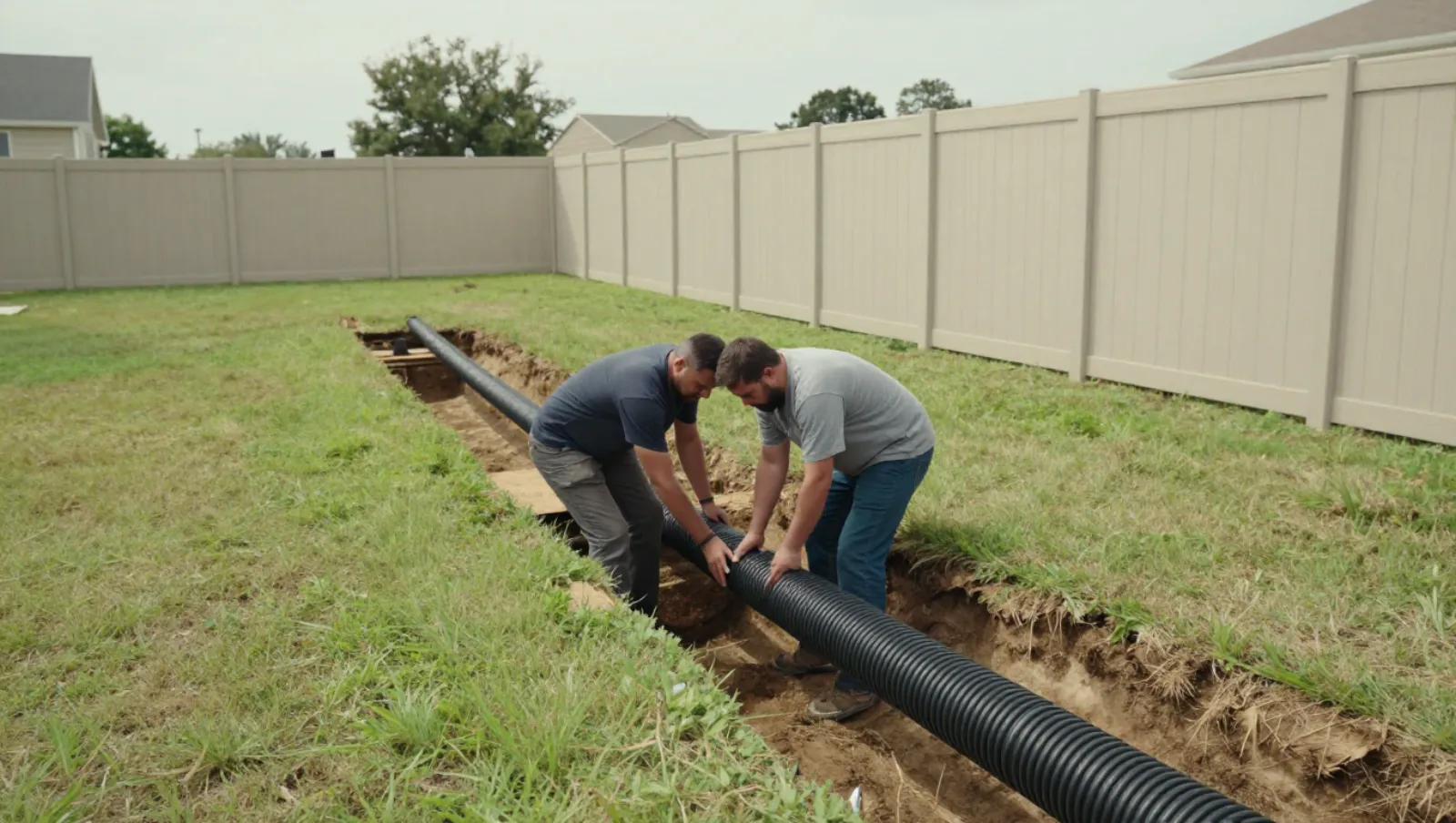
The common request is gutter downspouts collected into a buried system and carried to the street or a rear easement. Done properly that means real pipe at a real slope with clean-outs, not flexible hose buried an inch down that crushes and blocks within a season.
The outfall is what makes or breaks it. Water has to be legally and physically able to leave at the discharge point; on lots where the street is uphill, that constraint dictates the whole design.
What this covers in Cypress
- Downspout collection tied into a buried pipe system
- Catch basins and area drains in chronic wet spots
- French drains along foundations and fence lines
- Correct slope and clean-outs so the system stays clear
- Discharge to street, easement, or approved outfall
How the work runs in Cypress
Find where the water actually goes
We watch the fall across the property and locate the outfall — a ditch, a storm inlet, or daylight at a low corner. Everything upstream depends on where water is allowed to leave.
Choose the method the site allows
Open swale, swale and pipe, a full underground system, or an underground system with a lift station are four different jobs at four different costs on the same size lot.
Install at real slope
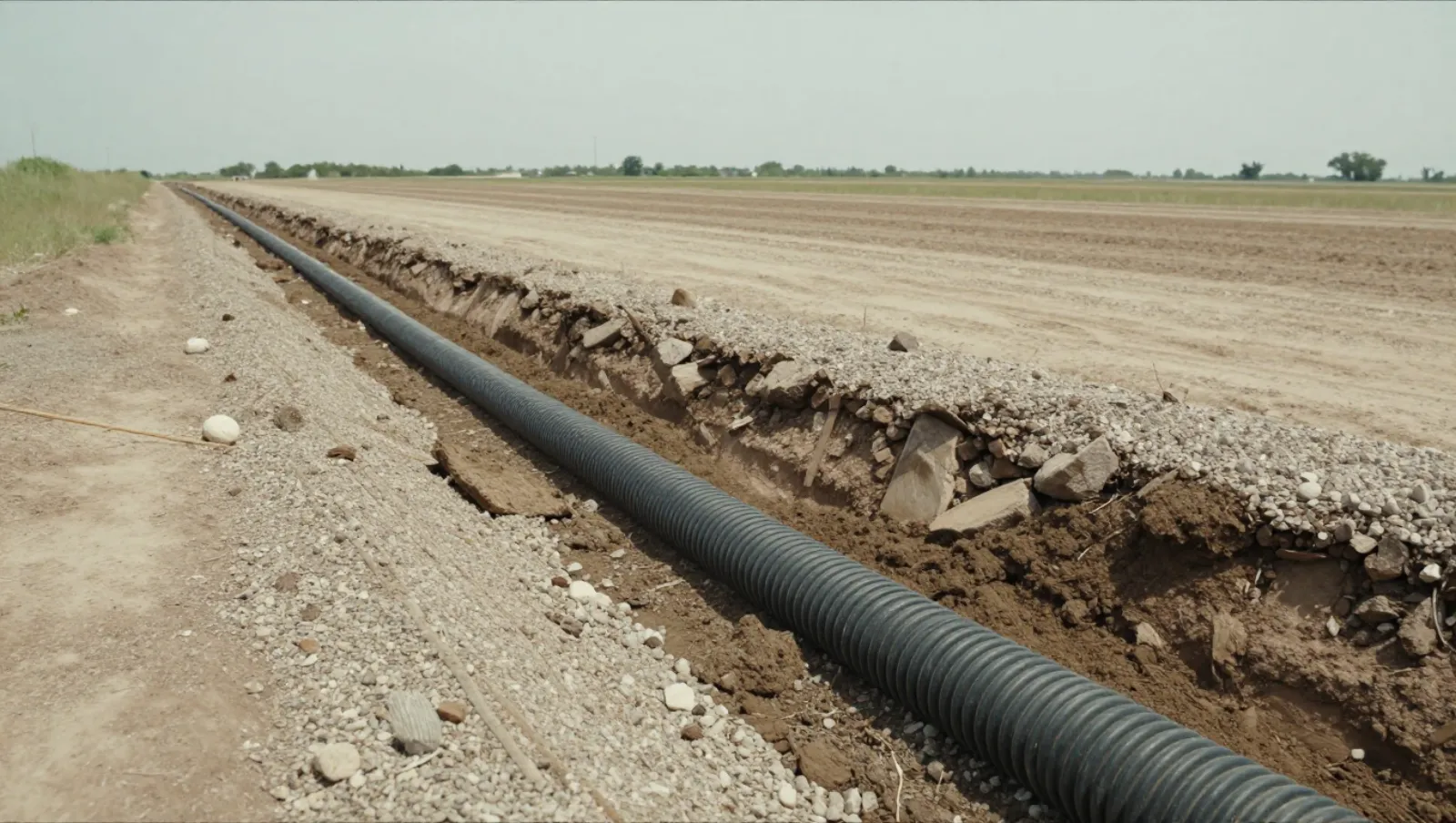
Pipe is bedded and laid to a working fall with clean-outs. Flexible hose buried shallow crushes and blocks within a season, which is why we do not use it.
Test it with water, then restore
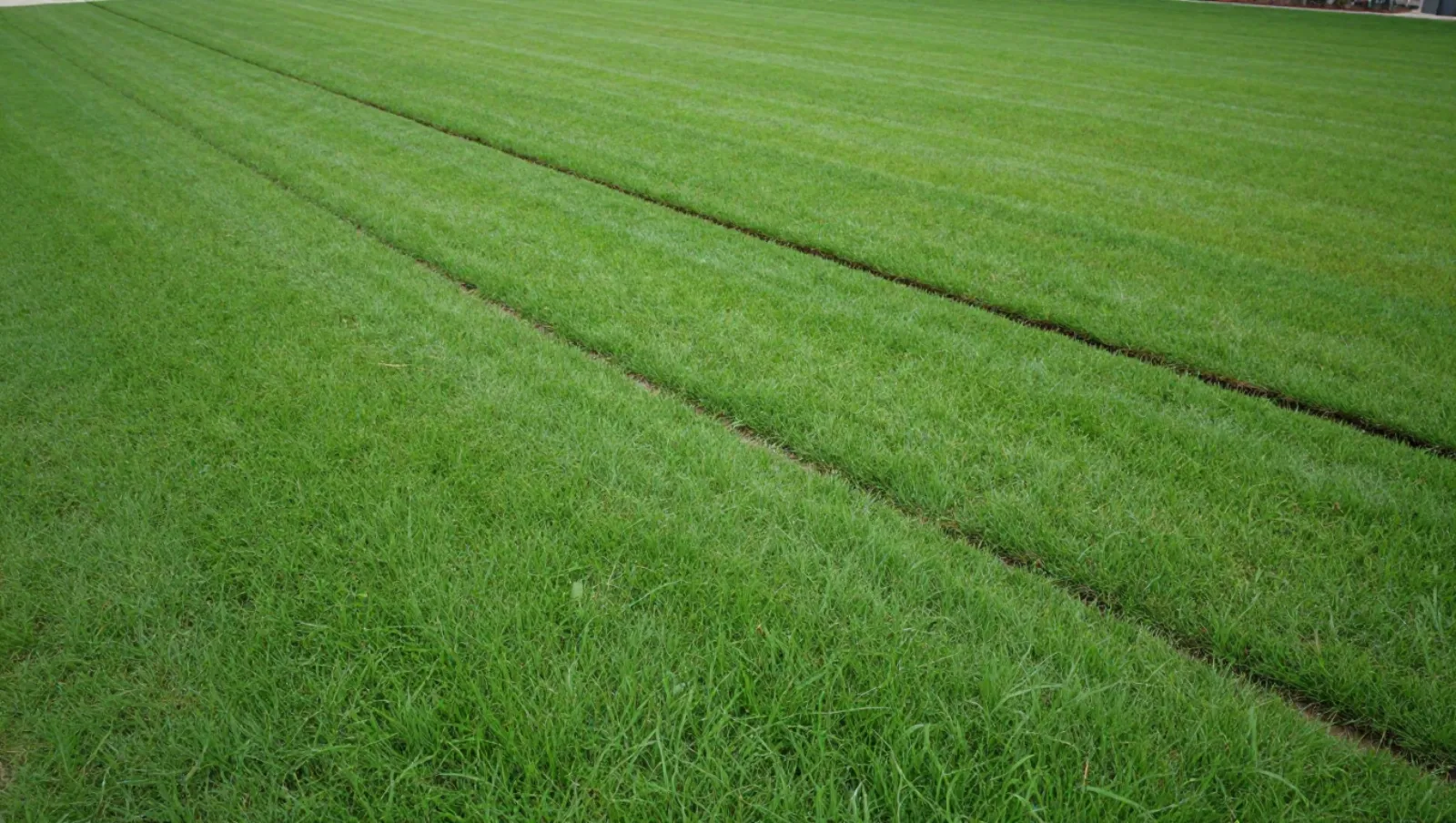
The system is run before the trench is closed, and disturbed ground gets seed or sod so it does not become the next erosion problem.
Underground Drainage in Cypress — common questions
- Why does water stand in my Cypress yard?
- Almost always one of three things: the ground has no fall toward an outfall, the soil is heavy clay that will not take water quickly, or the water arriving from uphill is more than the yard can move. The fix is different for each, which is why we look at where the water actually goes before quoting a solution.
- What does a French drain actually do?
- It intercepts water moving through the soil, not just water standing on top of it. A perforated pipe in a gravel-filled trench collects that water and carries it to a discharge point. It only works if it is bedded at a real slope and tied to an outfall that is legally and physically able to take the flow.
- How much does yard drainage cost?
- Pipe, French drains, and channel drains price by the linear foot; catch basins, area drains, and inlet boxes price by the structure. The bigger factor is which method the site needs: an open swale, swale-and-pipe, a full underground system, or an underground system with a lift station are four different costs on the same size lot.
- Will this fix water against my foundation?
- That is usually the priority, and it is normally two jobs together: regrading so the surface falls away from the slab, and perimeter drainage so water in the soil is intercepted before it reaches it. Ground that stays saturated against a foundation is what turns a drainage nuisance into a much more expensive problem.
Areas we serve around Cypress
Bridgeland · Fairfield · Towne Lake · Copperfield · Jersey Village · Tomball · Harris County