Montgomery County
Lake Conroe Dredging & Pond Services in Conroe, TX
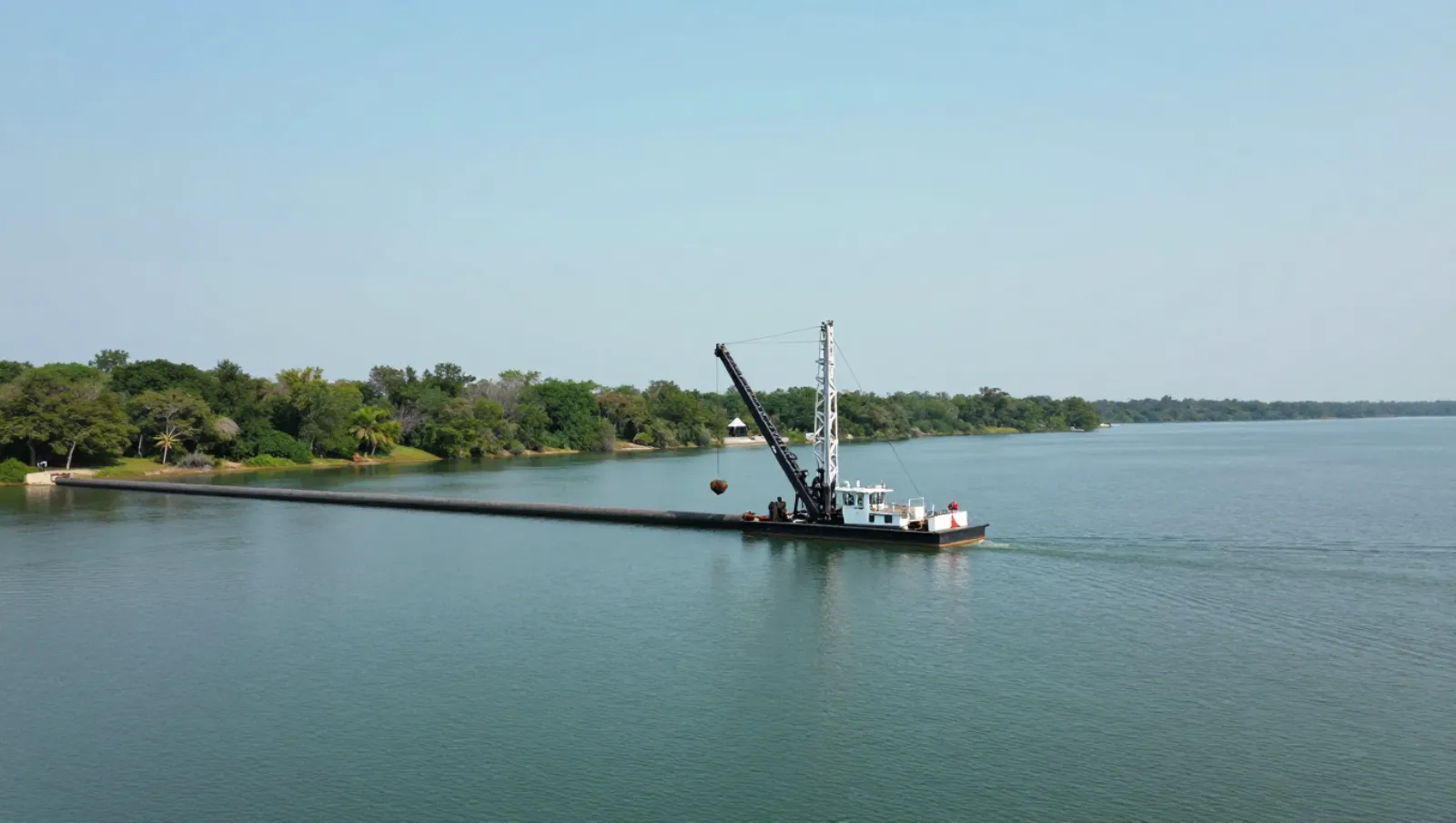
Lake Conroe shoreline property has a specific problem: sediment moving down the coves fills in the shallow water in front of a bulkhead or boat dock, until what was navigable is mud at normal pool level.
Working on the lake is different from working on a private pond. Access is frequently from the water rather than the bank, the work is governed by lake authority rules, and the spoil has to go somewhere that is not back into the cove.
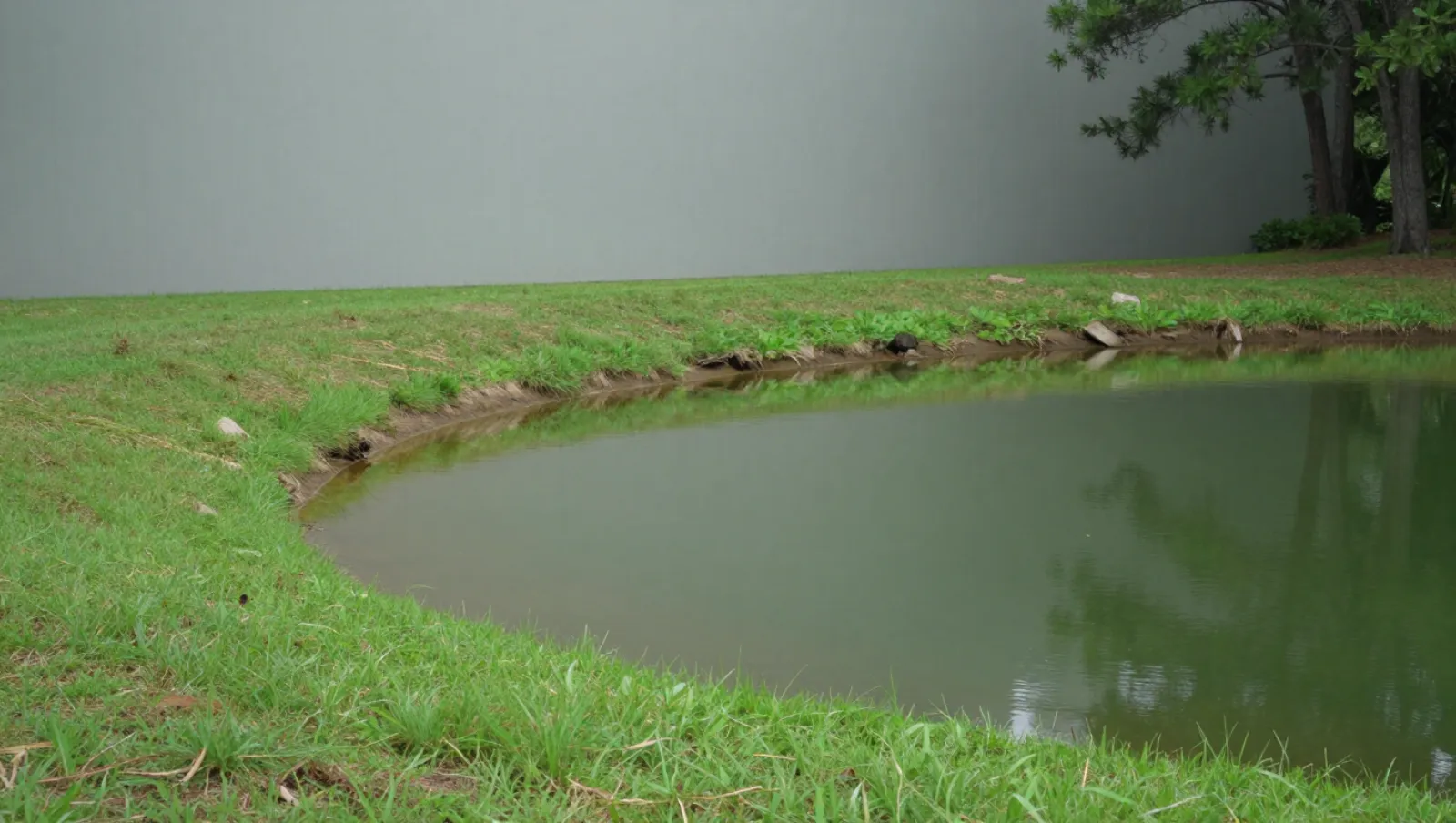
Away from the lake itself, Montgomery County ponds silt in from ordinary runoff and need the same treatment any pond does — pump down or work wet, remove the accumulated sediment, then repair the banks that have been undercut.
What this covers in Conroe
- Cove and shoreline dredging on Lake Conroe
- Private pond dredging and desilting
- Bulkhead and boat dock access restoration
- Bank repair where the shoreline has been undercut
- Spoil placement worked out before the machine arrives
How the work runs in Conroe
Assess depth, banks, and water source
We sound the basin to see how much capacity has been lost to silt, check the banks and dam, and identify what feeds the pond — the source usually explains the problem.
Plan where the spoil goes
Dredged material does not disappear. Using it on site for a dam, a pad, or field spreading costs less than hauling it away, so this is settled before machines arrive.
Dewater or work wet
Repair, dam work, and desilting usually need the water managed before equipment can reach the bottom. That step is part of the schedule, not an afterthought.
Rebuild banks and stabilise
Once depth is restored the banks are reshaped and protected, or the same erosion refills what was just removed.
Lake Conroe Dredging & Pond Services in Conroe — common questions
- How do I know if my pond needs dredging?
- The surface looks the same whether a pond is eight feet deep or two. The signs are indirect: it warms and turns over faster, weeds take hold across more of the surface, the edges creep inward, and the water clouds after rain and stays cloudy. Sounding the basin settles it in an afternoon.
- What happens to the material you dredge out?
- It has to go somewhere, and that decision drives a large part of the cost. Using it on site — building the dam up, forming a pad, or spreading it back on surrounding ground — is considerably cheaper than hauling it off, and on agricultural land it is usually topsoil that came off those fields to begin with.
- Do you have to drain the pond first?
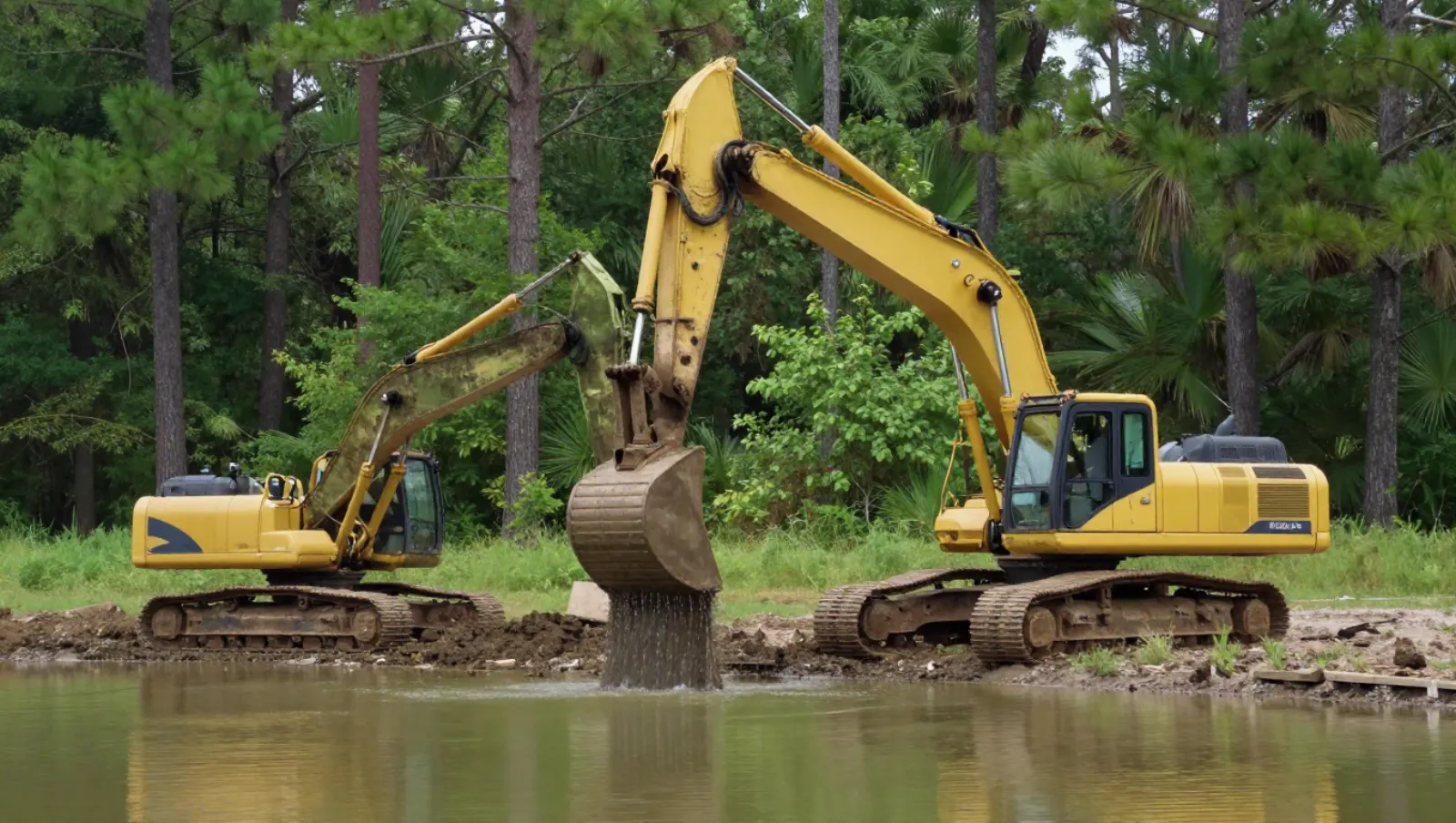
- Not always. Some work is done from the bank with a long-reach machine while the pond holds water. Dam repair, structure work, and full-basin desilting usually need the water pumped down or otherwise managed so equipment can reach the bottom, and that step is part of the schedule.
- My pond will not hold water. Is the soil the problem?
- Often it is not. Around here the soil usually holds water well, so a leaking pond is more often a compromised dam, an animal burrow through it, or a failed structure than genuinely permeable ground. Worth diagnosing before anyone sells you a liner.
Areas we serve around Conroe
Lake Conroe · April Sound · Woodforest · Willis · Montgomery · Montgomery County